Two lines of vehicles are presented: strictly civilian and military or capable of being militarized.
Although modern practice shows that absolutely any piece of equipment is suitable for militarization.
We will only look at military equipment. Why, you might ask? Because the exhibits here consist of common—even mass-produced—vehicles from the Soviet era. They are still quite often found at exhibition and museum venues and are widely known.
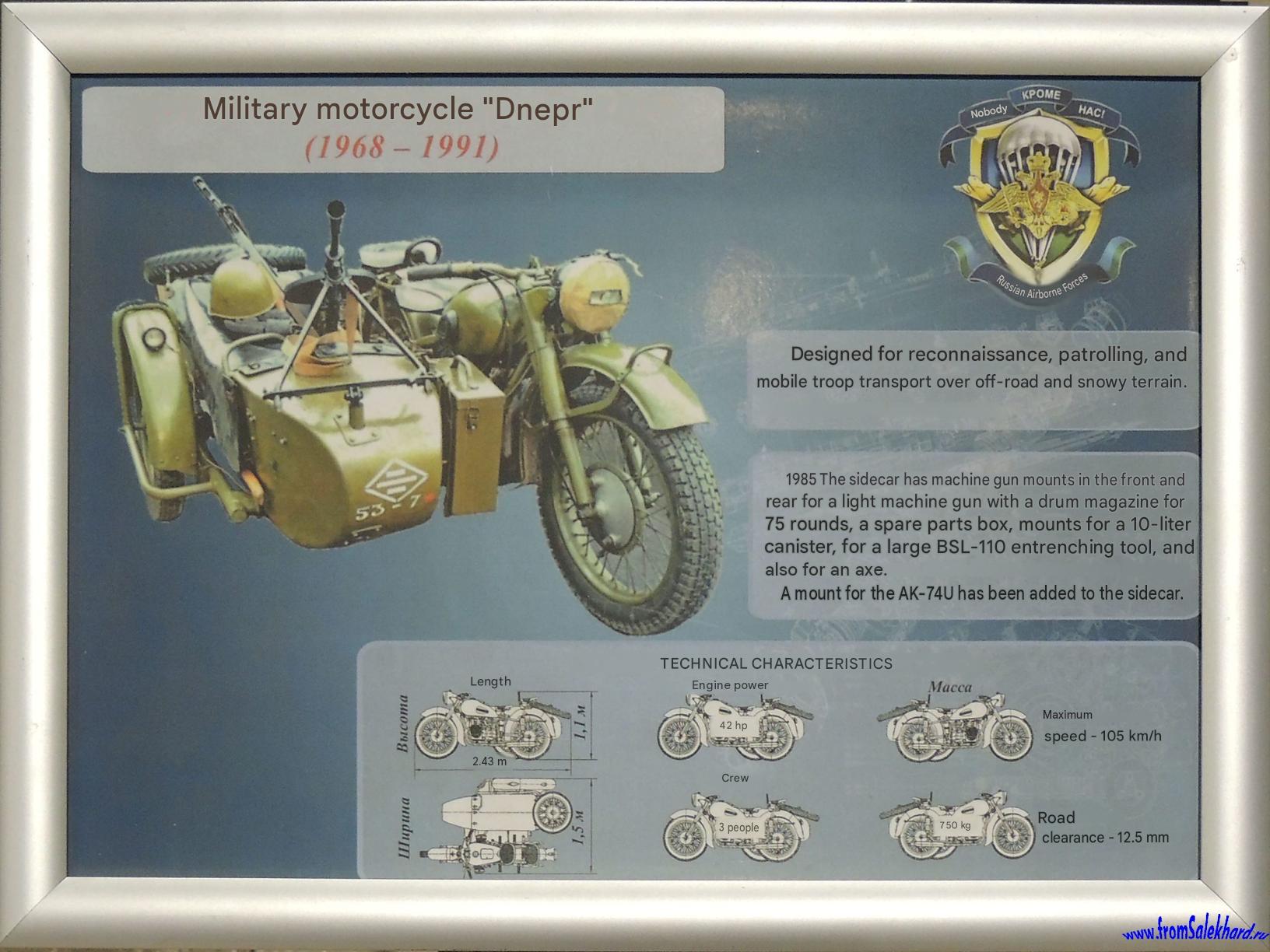
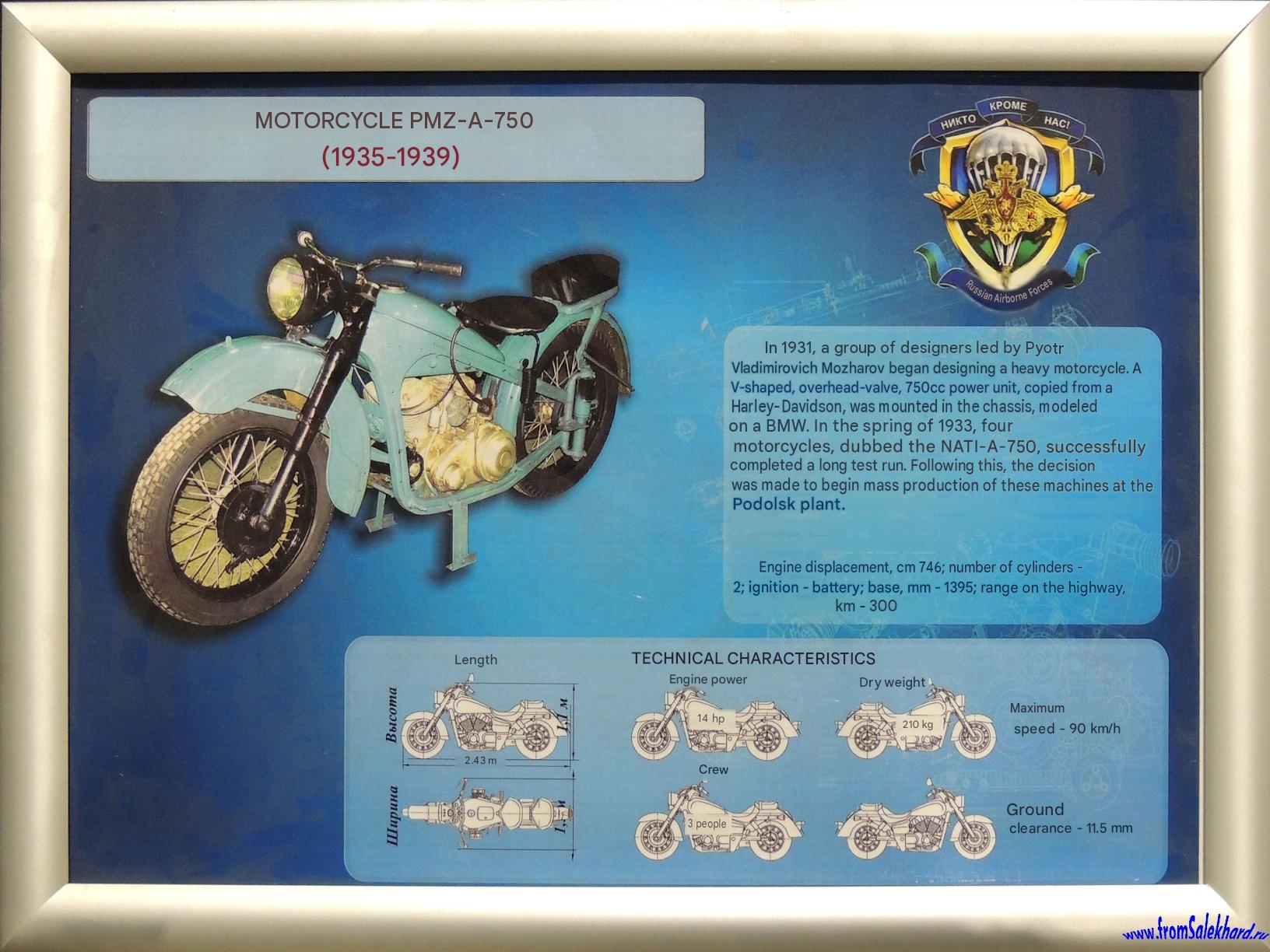
I suggest we start with the motorcycles. There aren’t many of them here.
Another one looks as if he had just driven out of Pyotr Shukhmin’s painting *Tankers*, dating from the late 1920s.
Incidentally, in the artistic community this painting is dated 1928, but the tank and motorcycle are from 1931. This explains the number on the motorcycle.
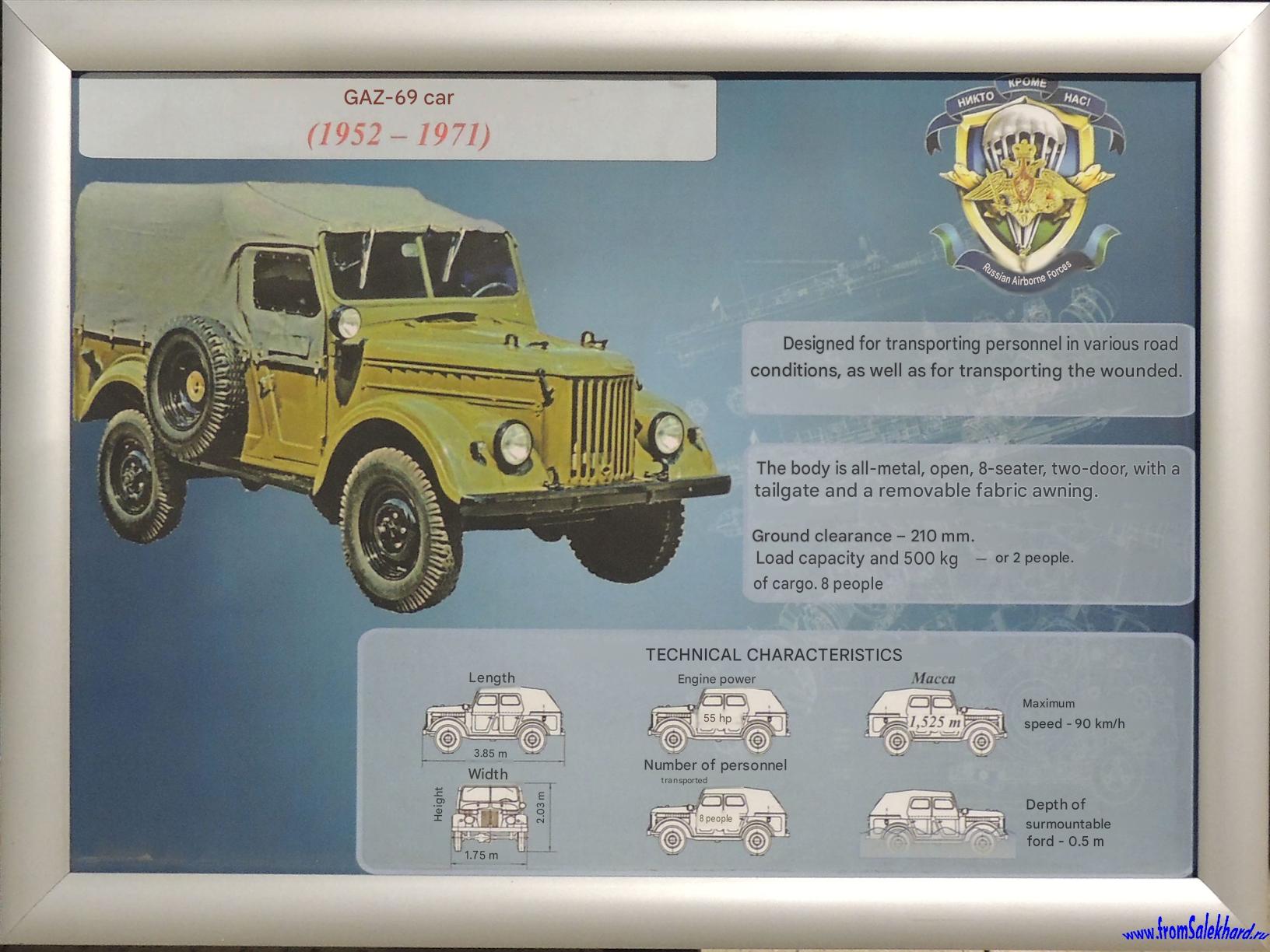
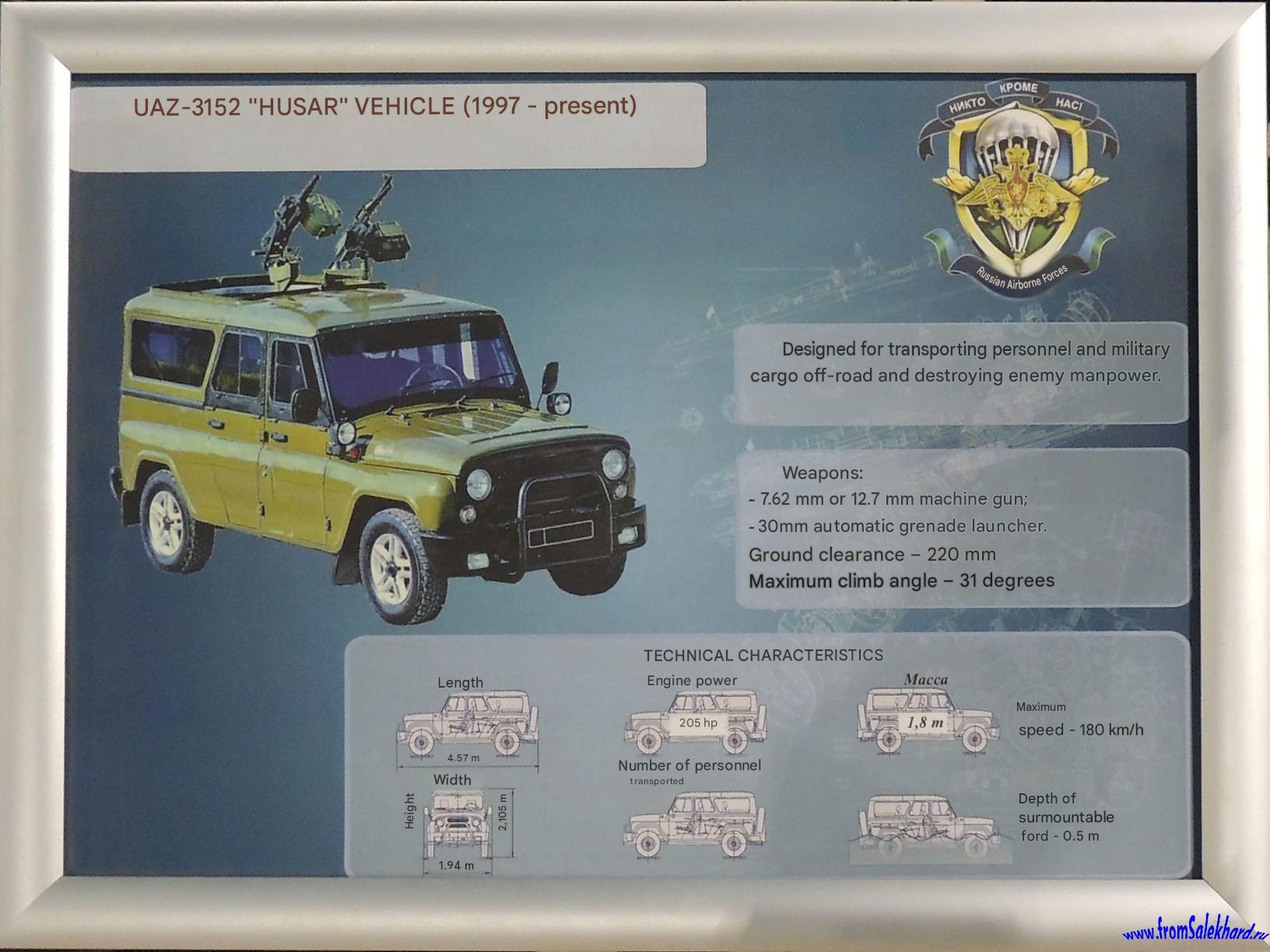
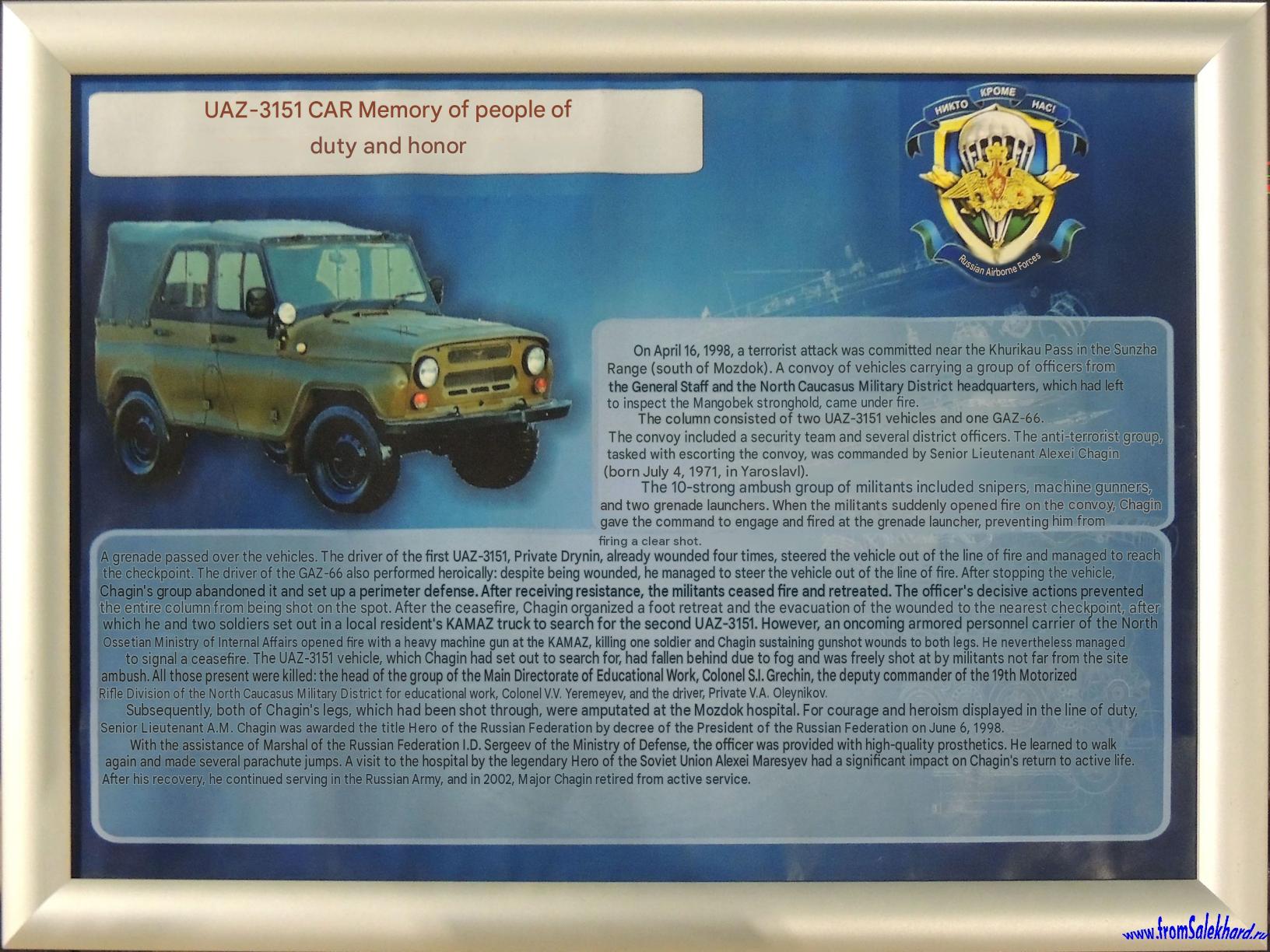
Next came the well-known “kozliki” [goats]—the nickname given to the line of Soviet off-road vehicles.
This is not so much an exhibit as a monument with bullet holes.
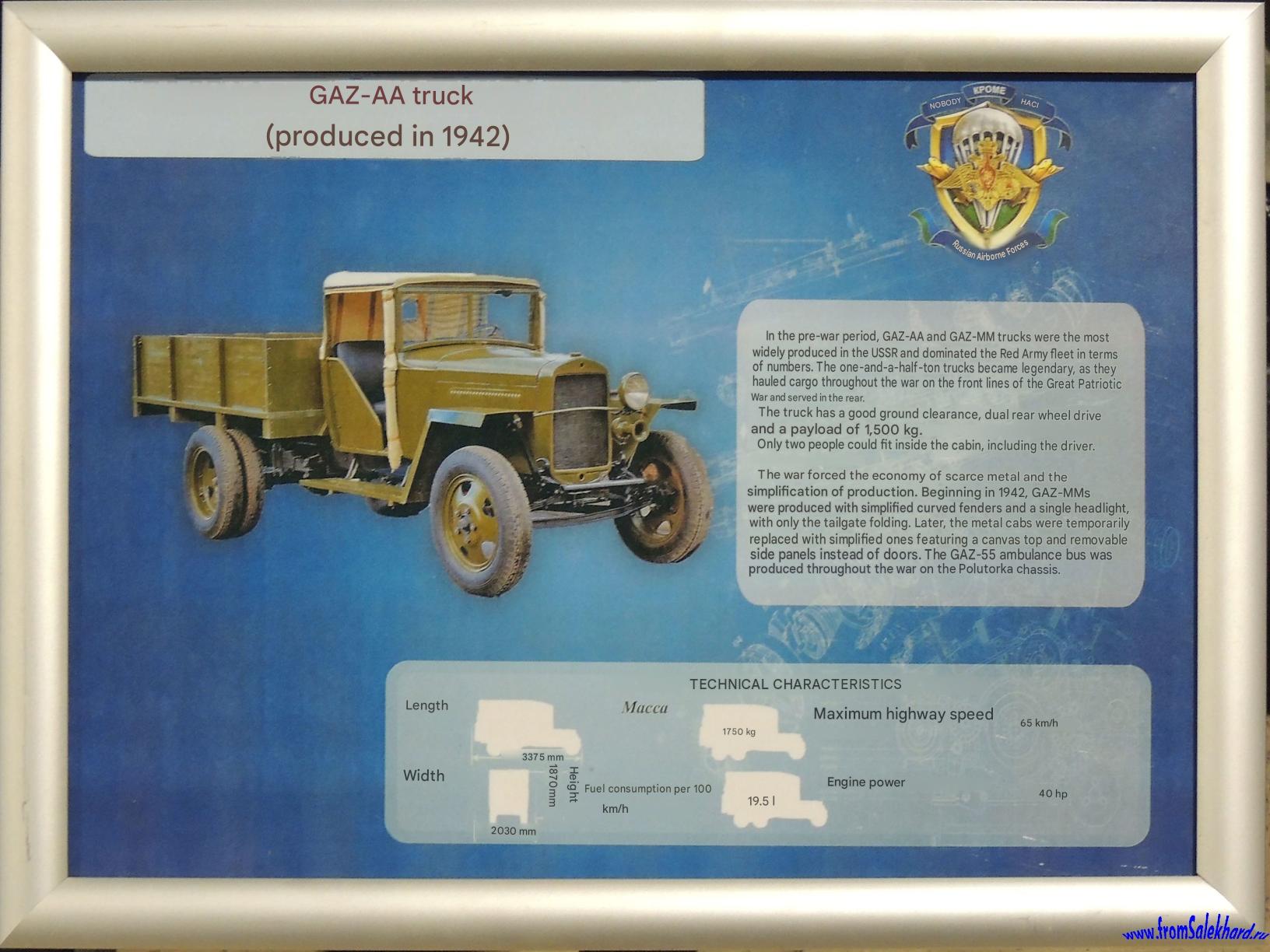
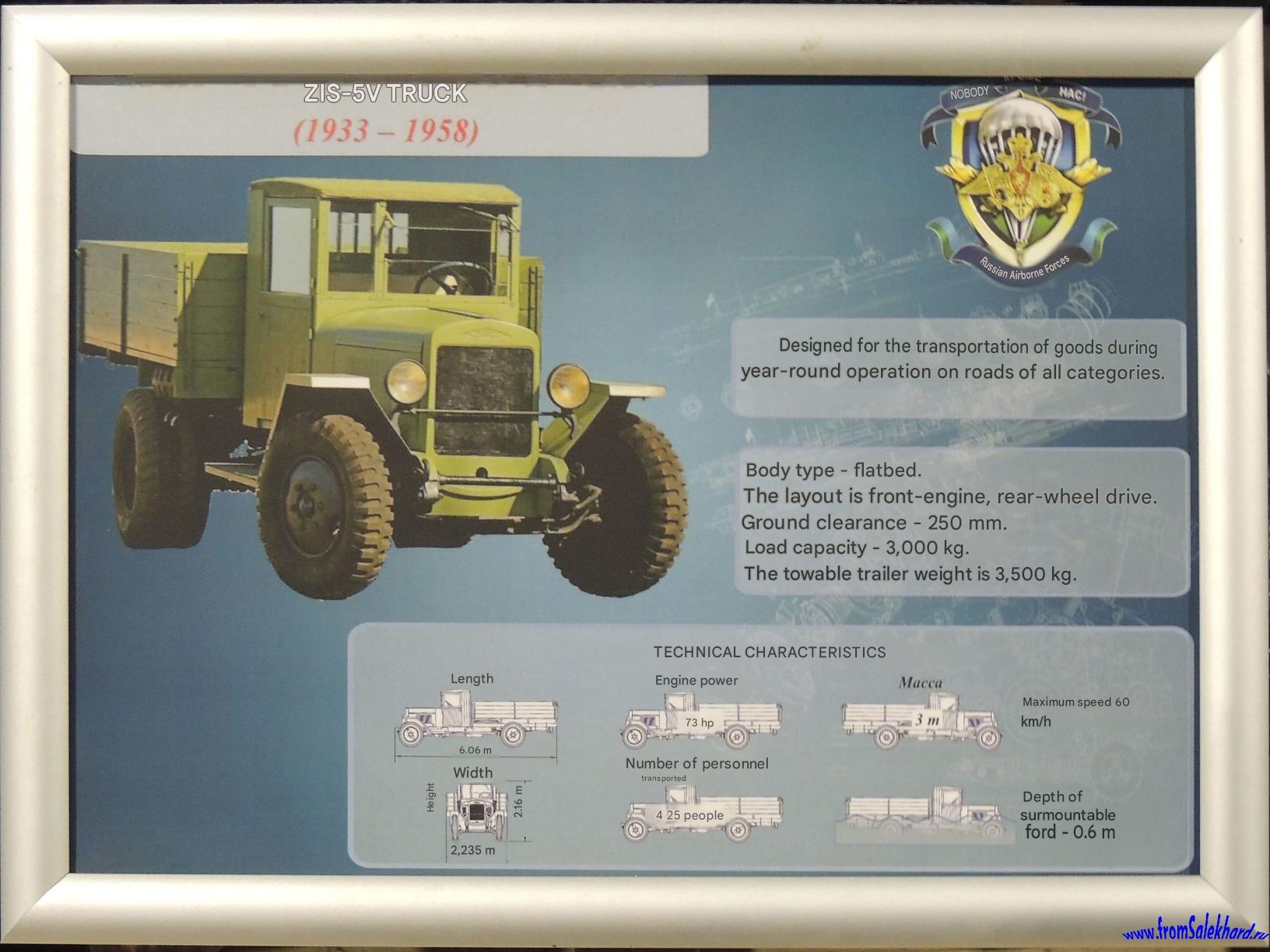
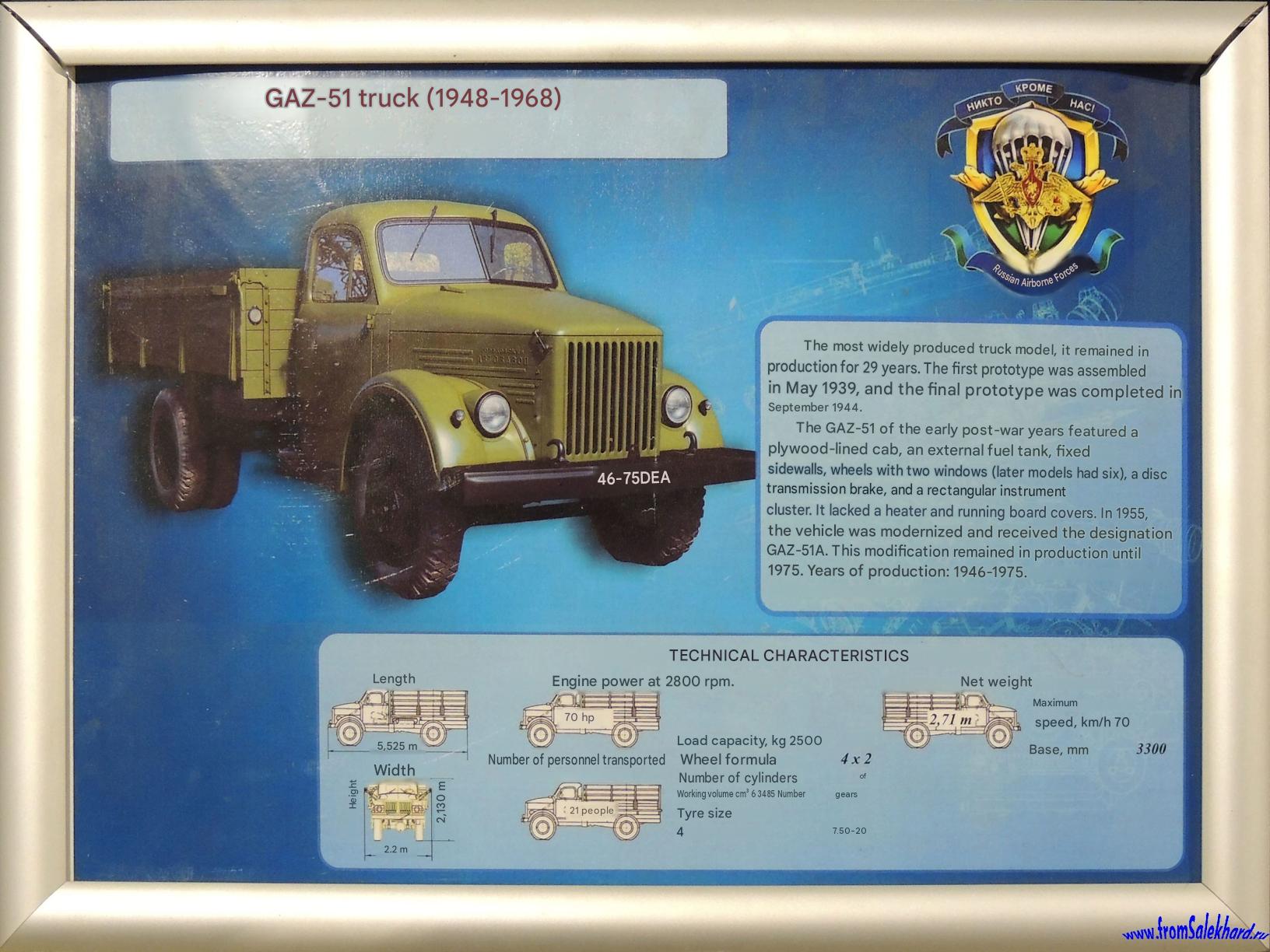
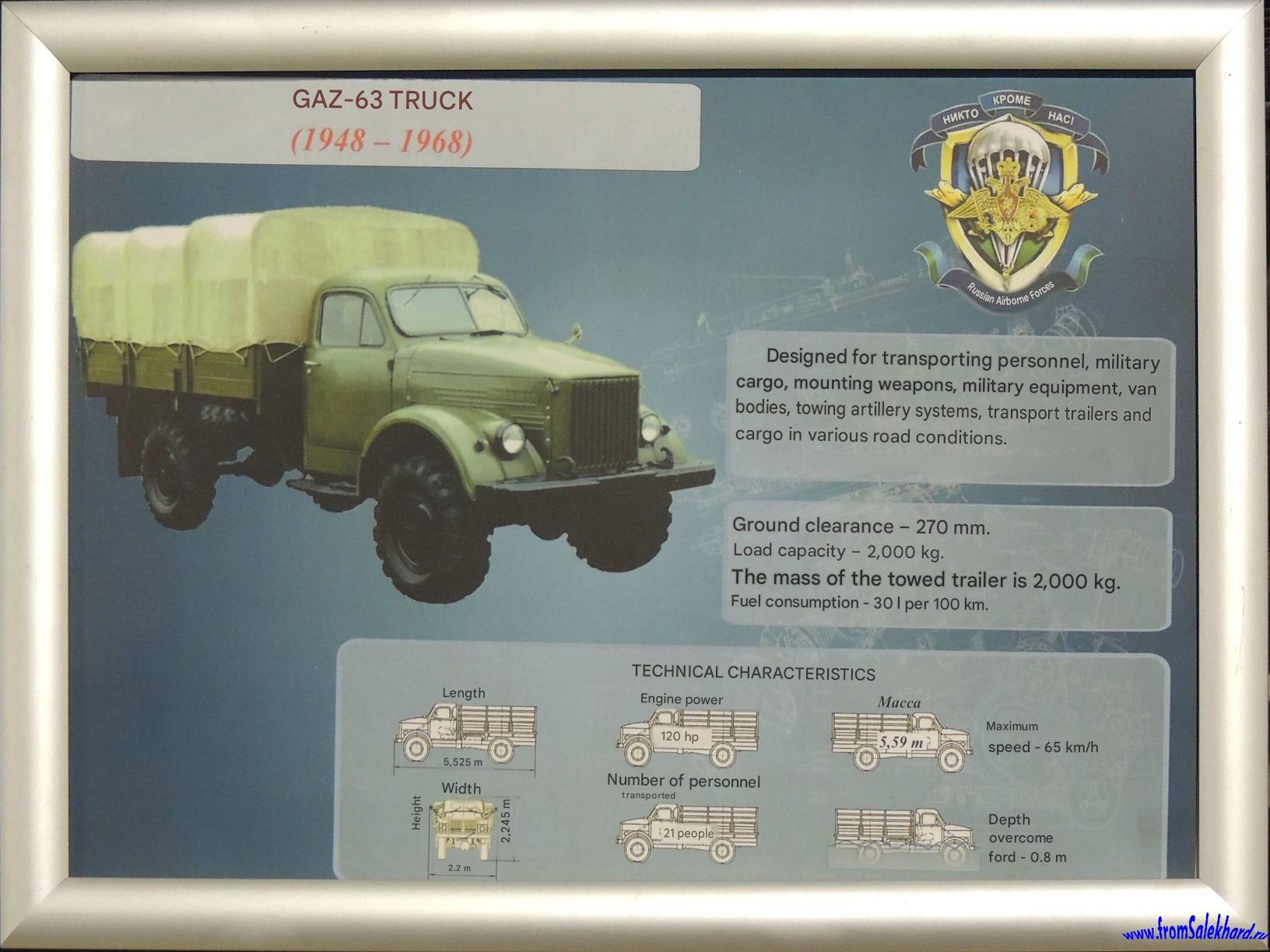
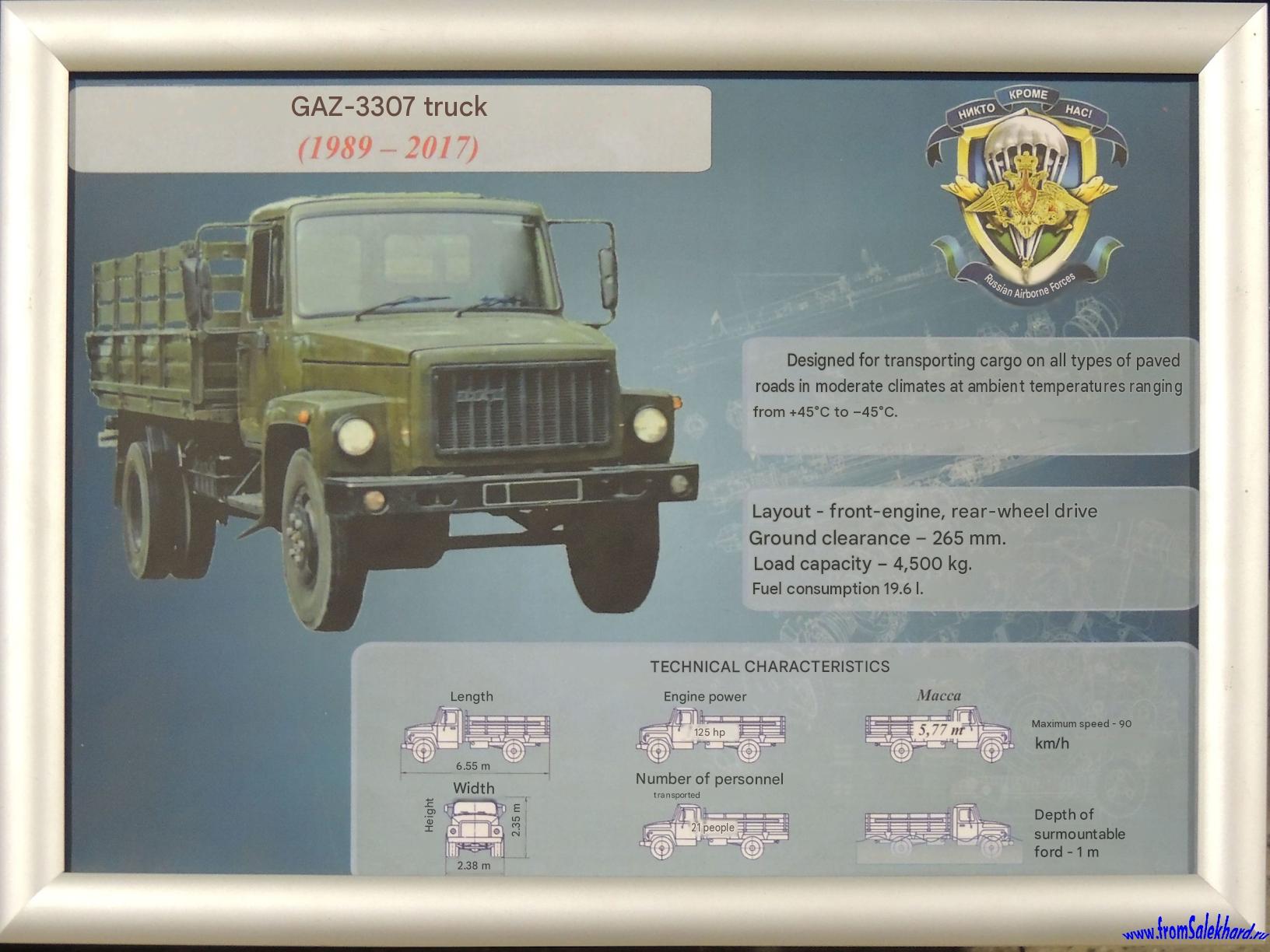
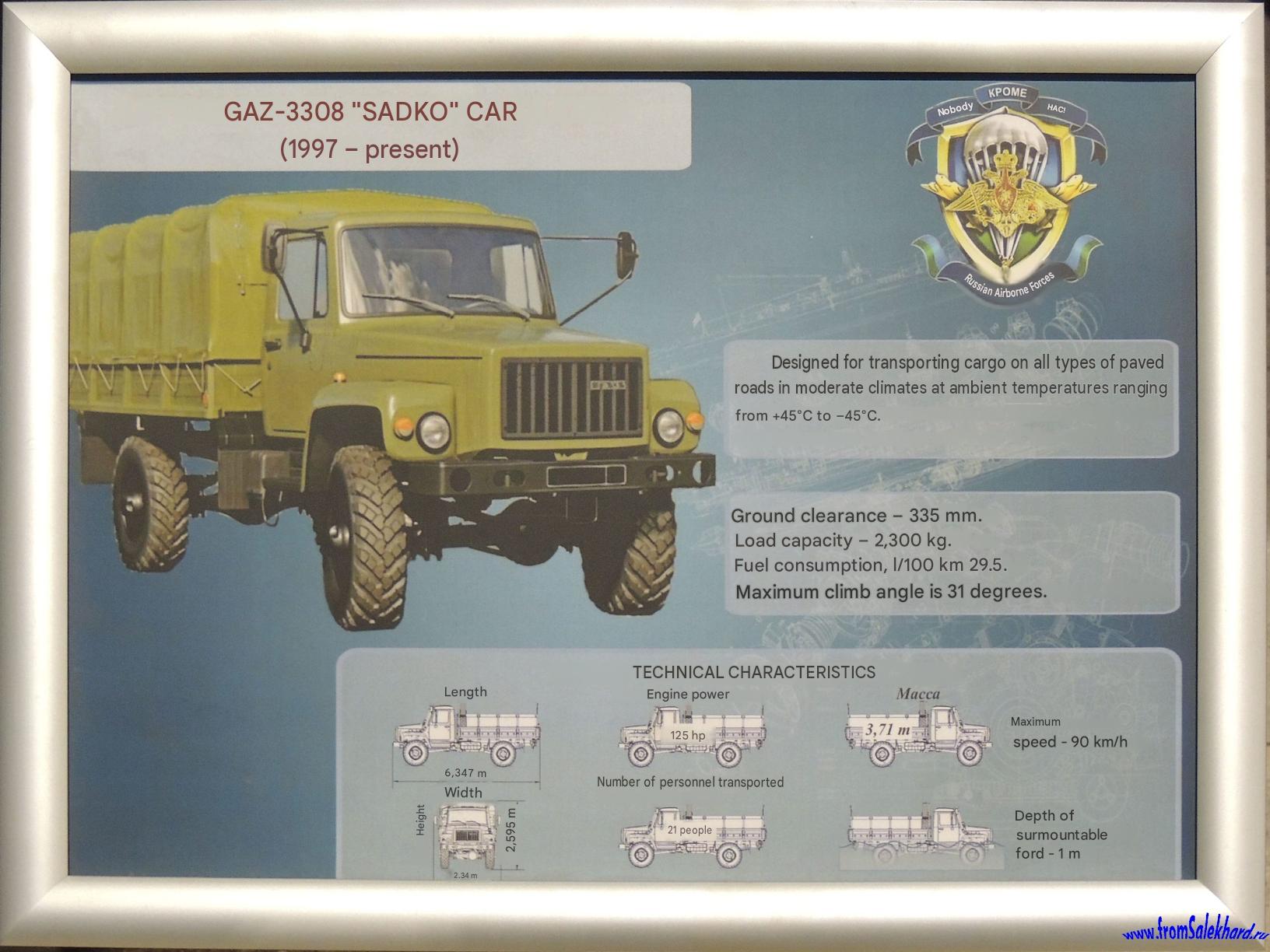
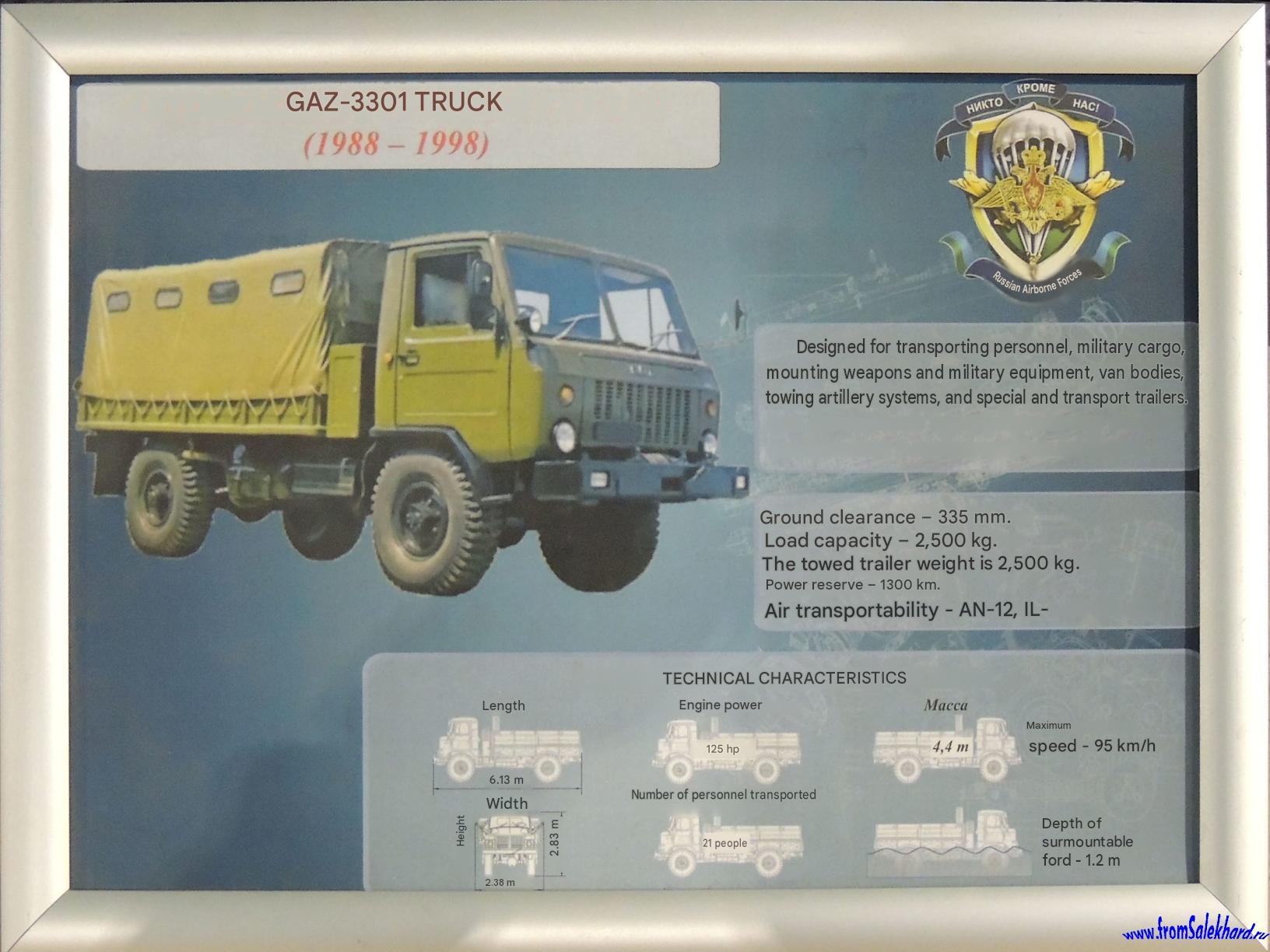
The next vehicles—trucks this time—are also very familiar to everyone.
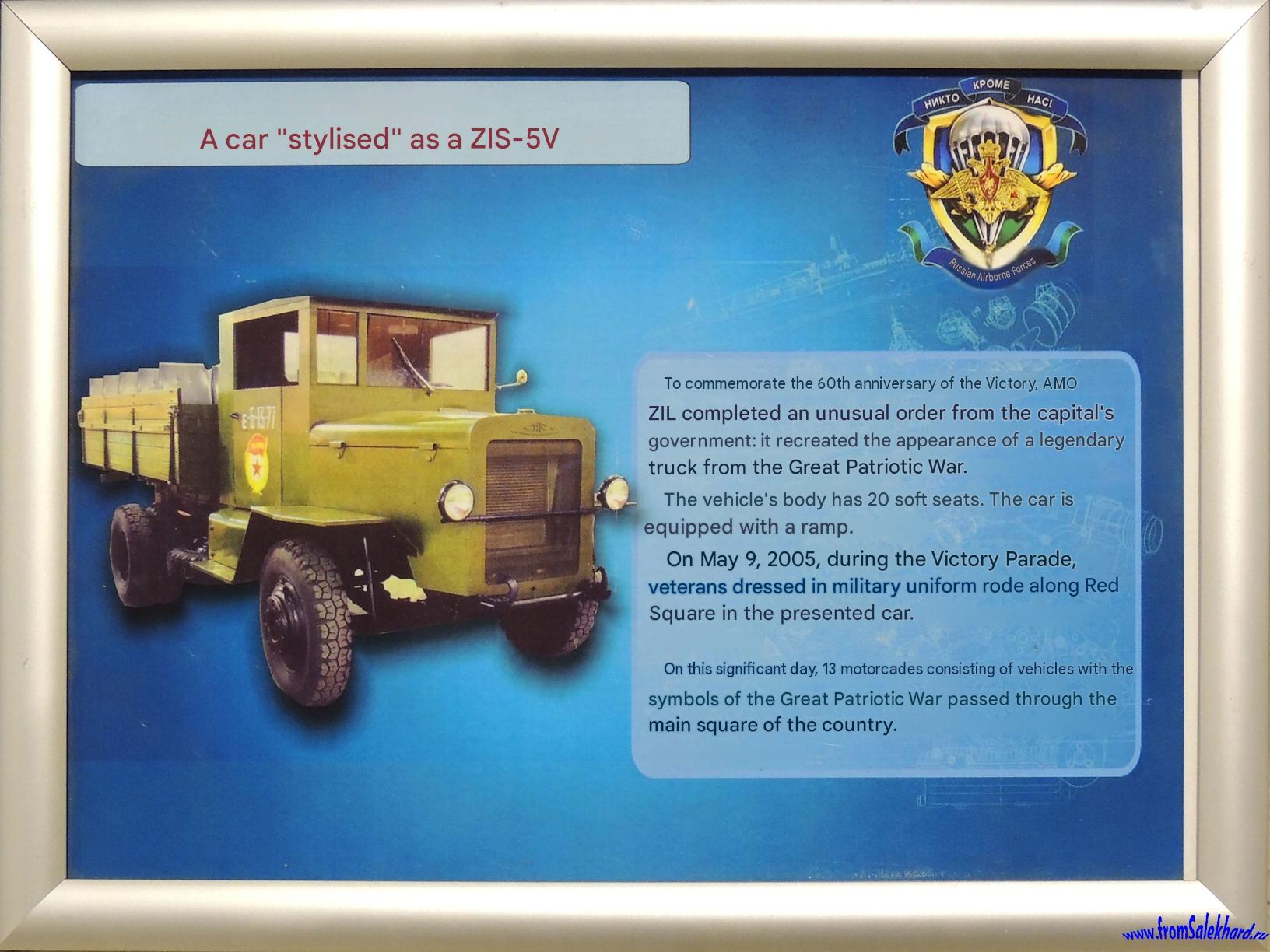
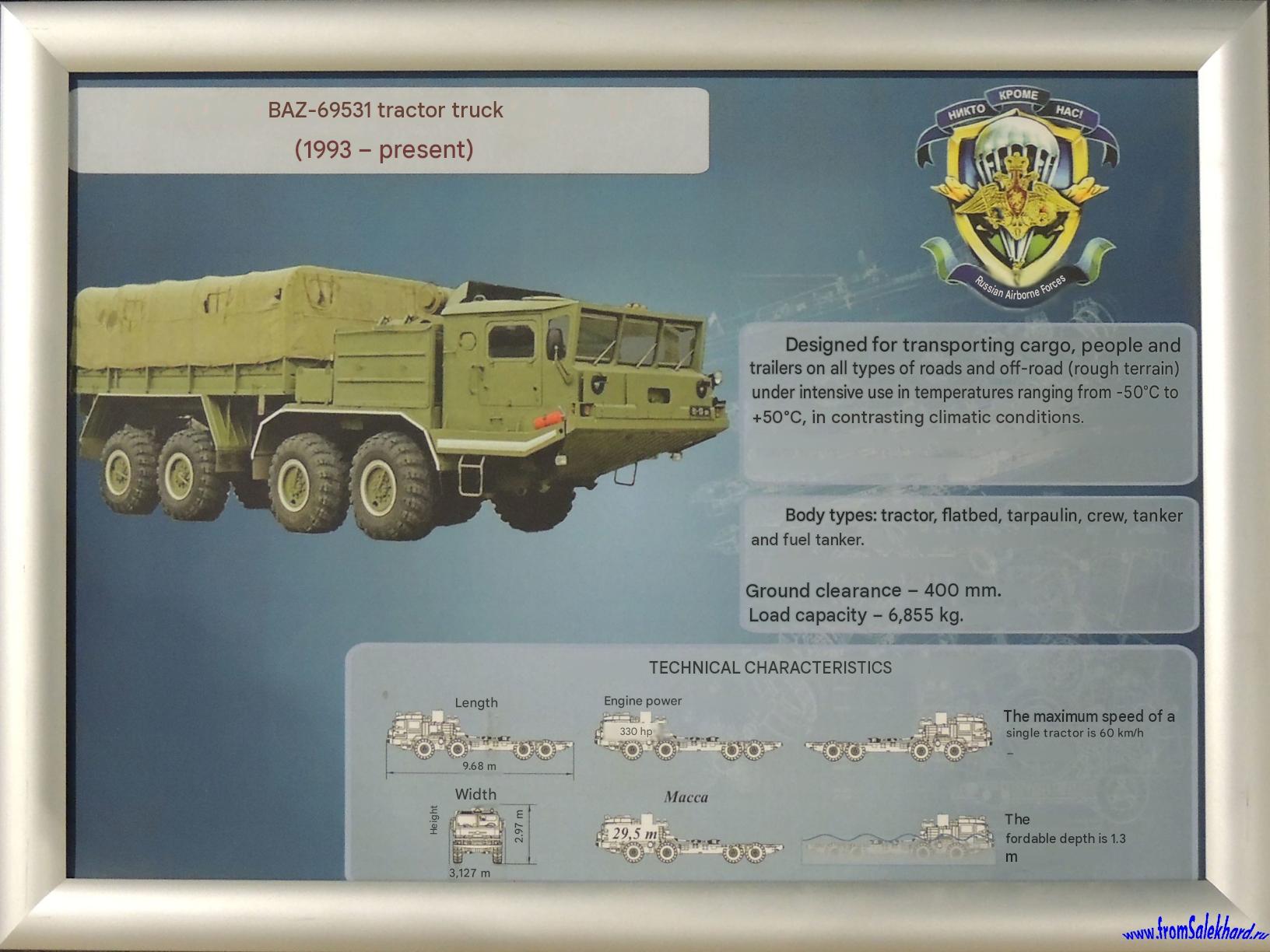
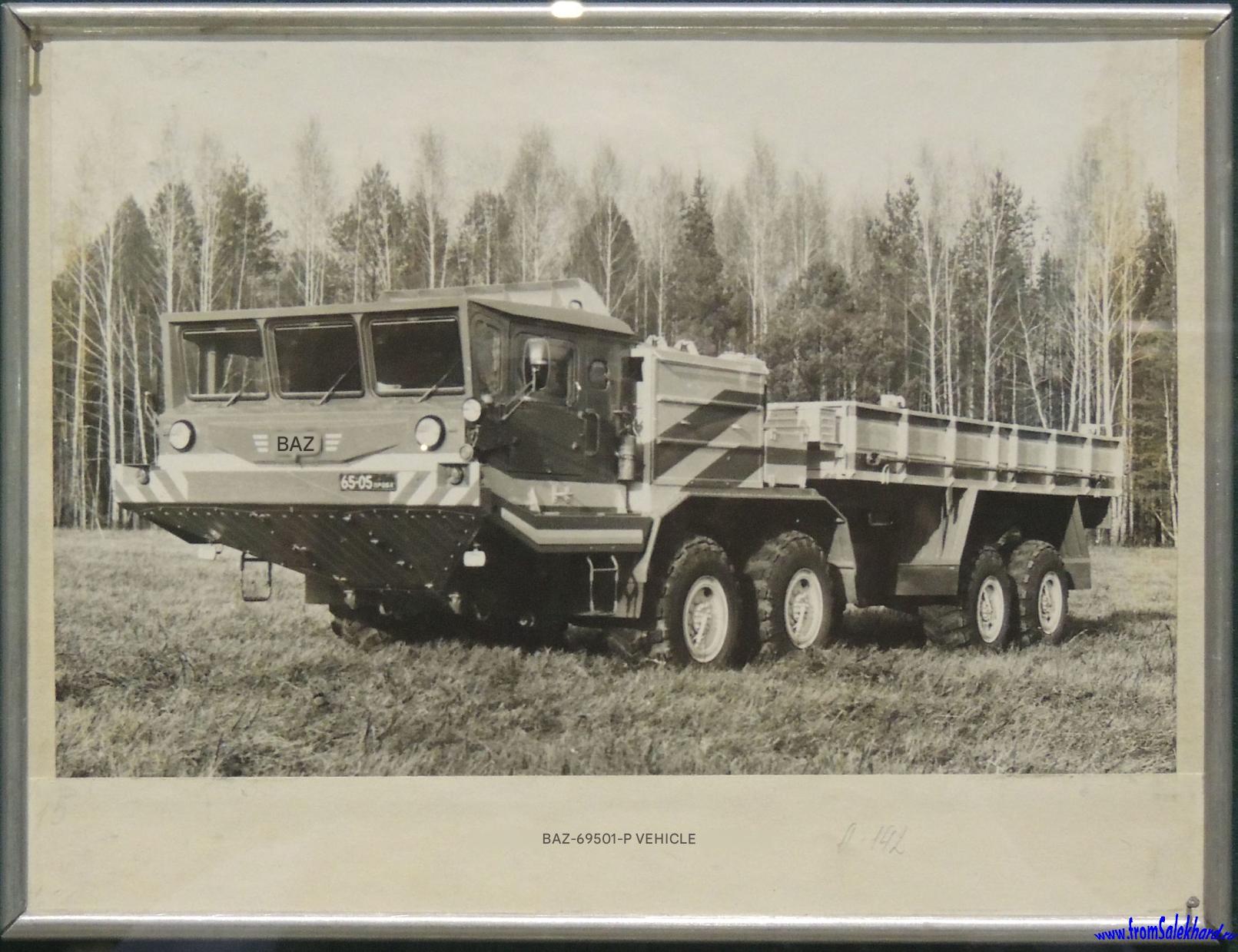
At first glance at this monster, you are taken aback, which only goes away after you read the sign.
And I have the feeling that I’ve seen something like that in one other place.
After that, the cars went back to being normal and familiar.
Here is another unfamiliar-looking vehicle—a prototype that was intended to succeed the GAZ-66 but never made it into production. It is said to be one of only three surviving examples.
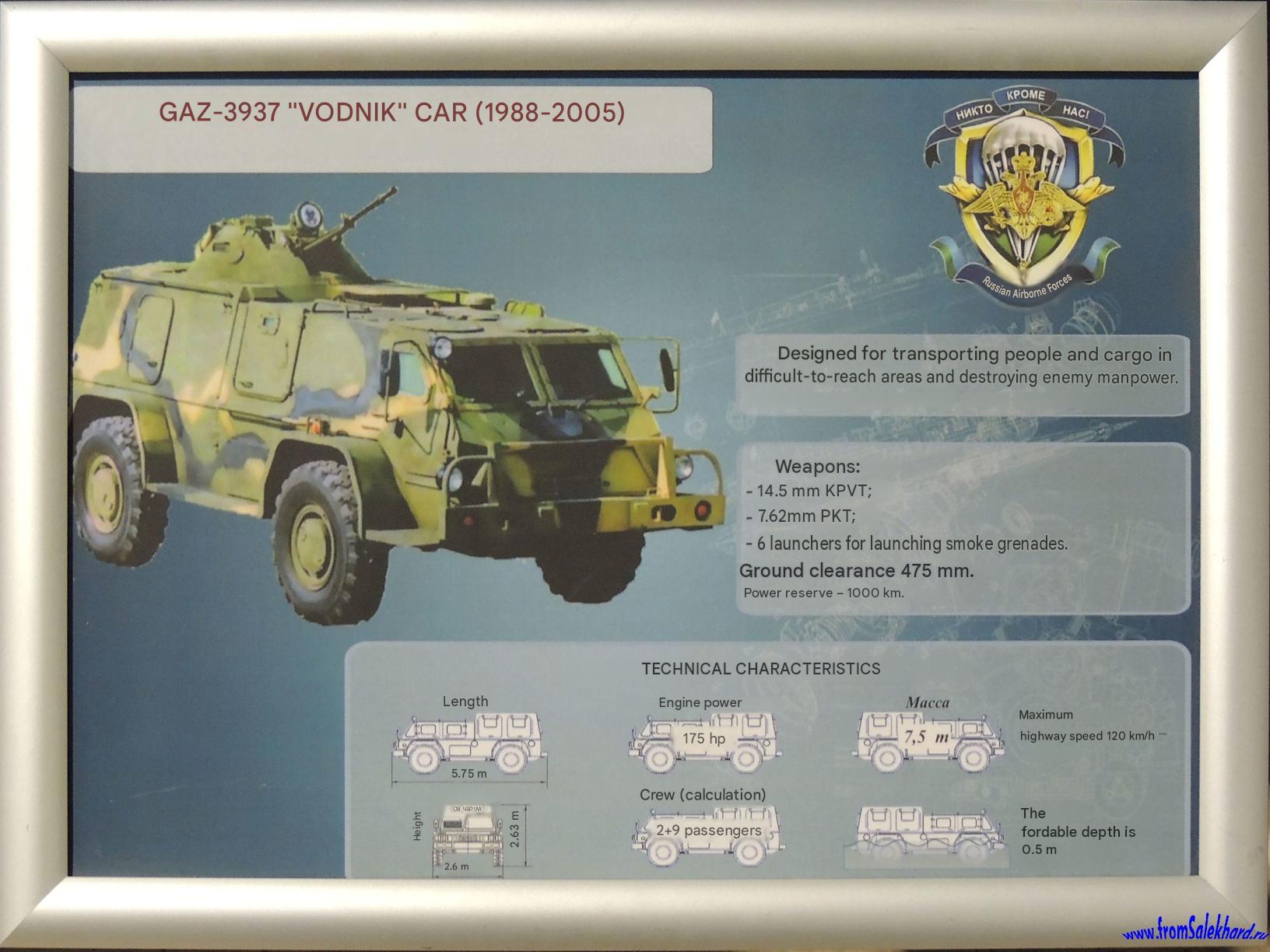
The following cars aren’t exactly unique, but they are quite rare.
The Bryansk tractor attracts attention with the width of the cabin: inside there is a driver and three more seats in a row,
a massive frame (70 cm high), independent suspension on all wheels, and an exposed engine.
Let us look back at the path we have traveled.
…and we’ll head back along the walls.
And the walls there are not empty at all.
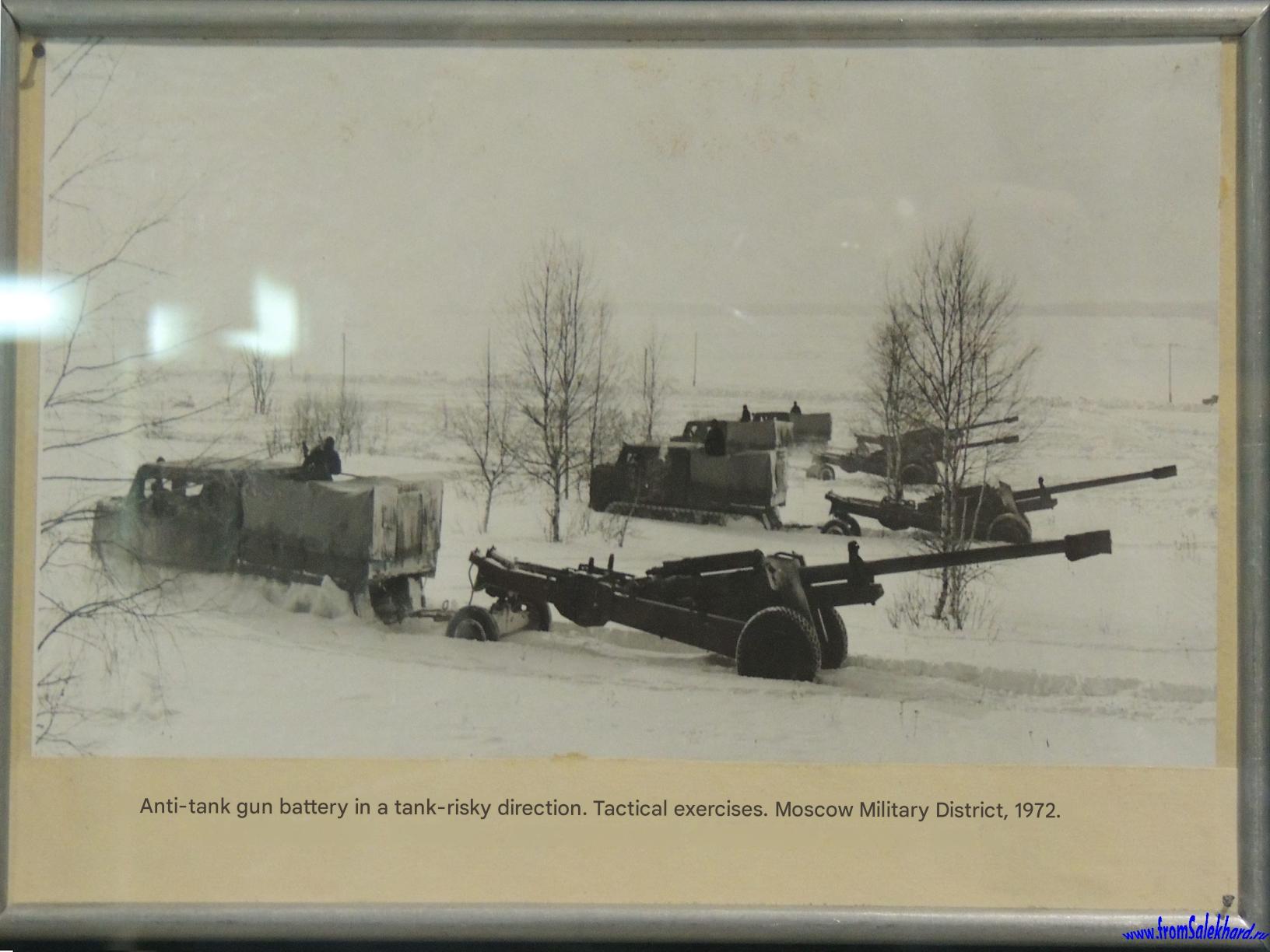
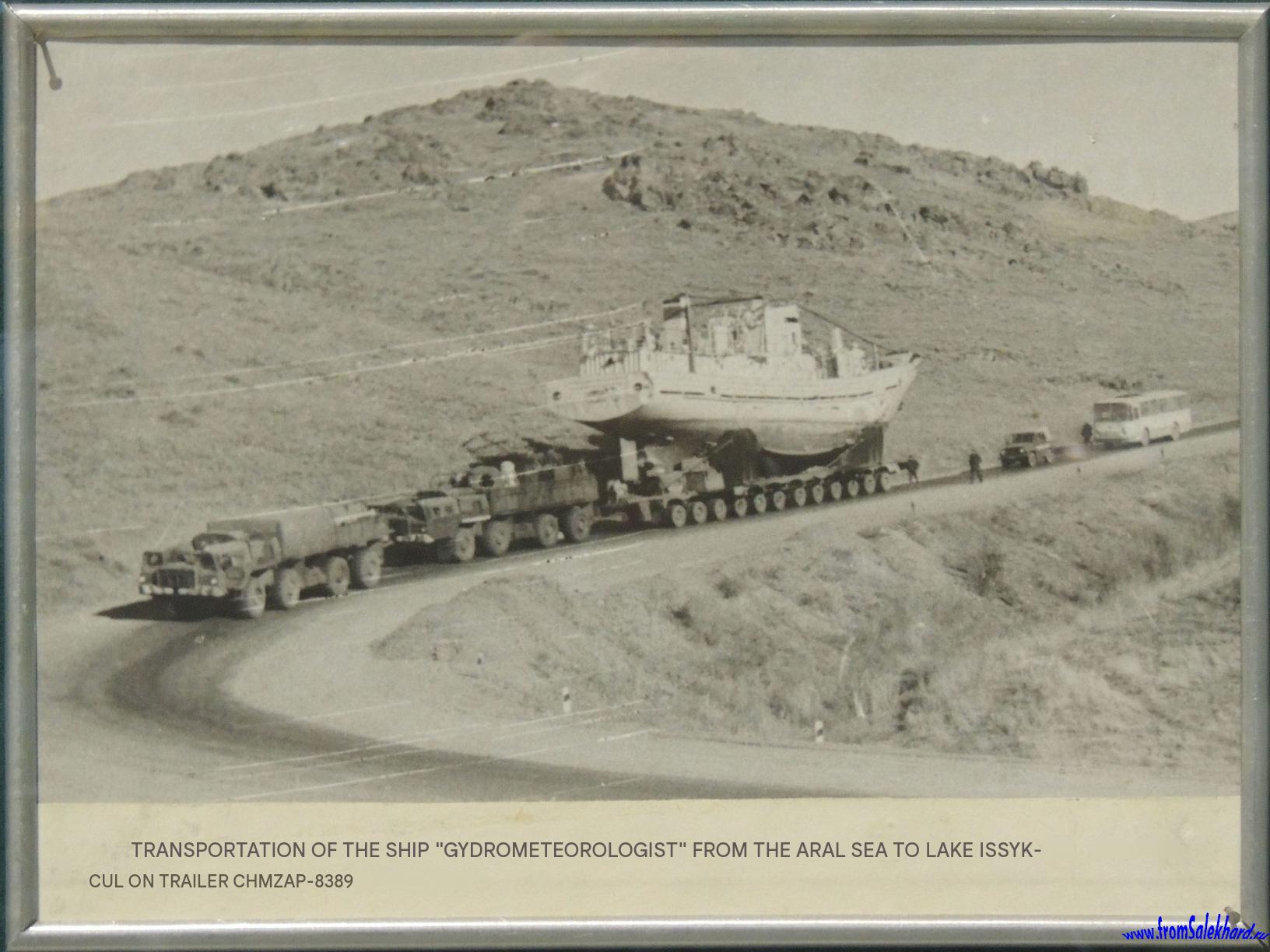
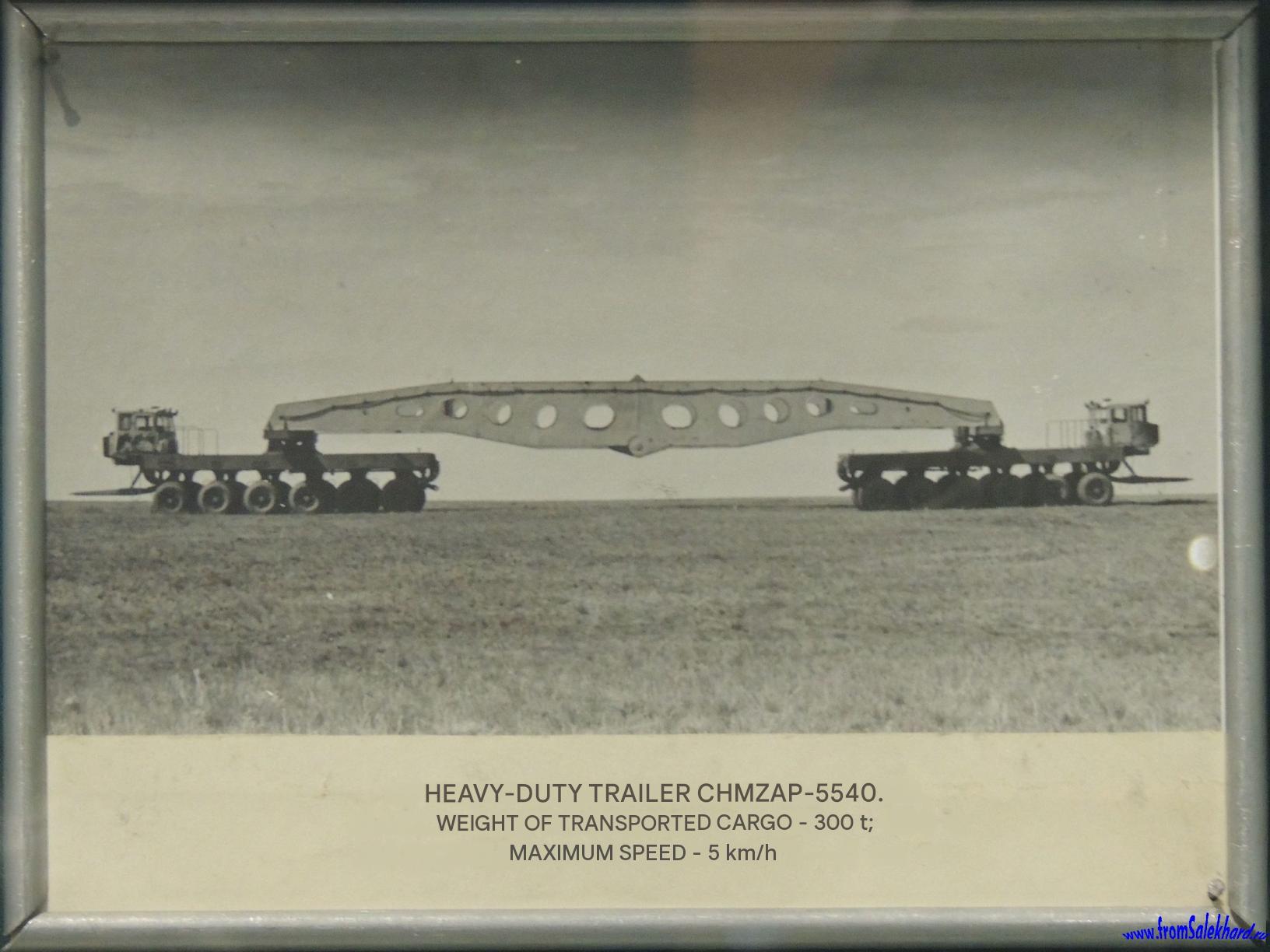
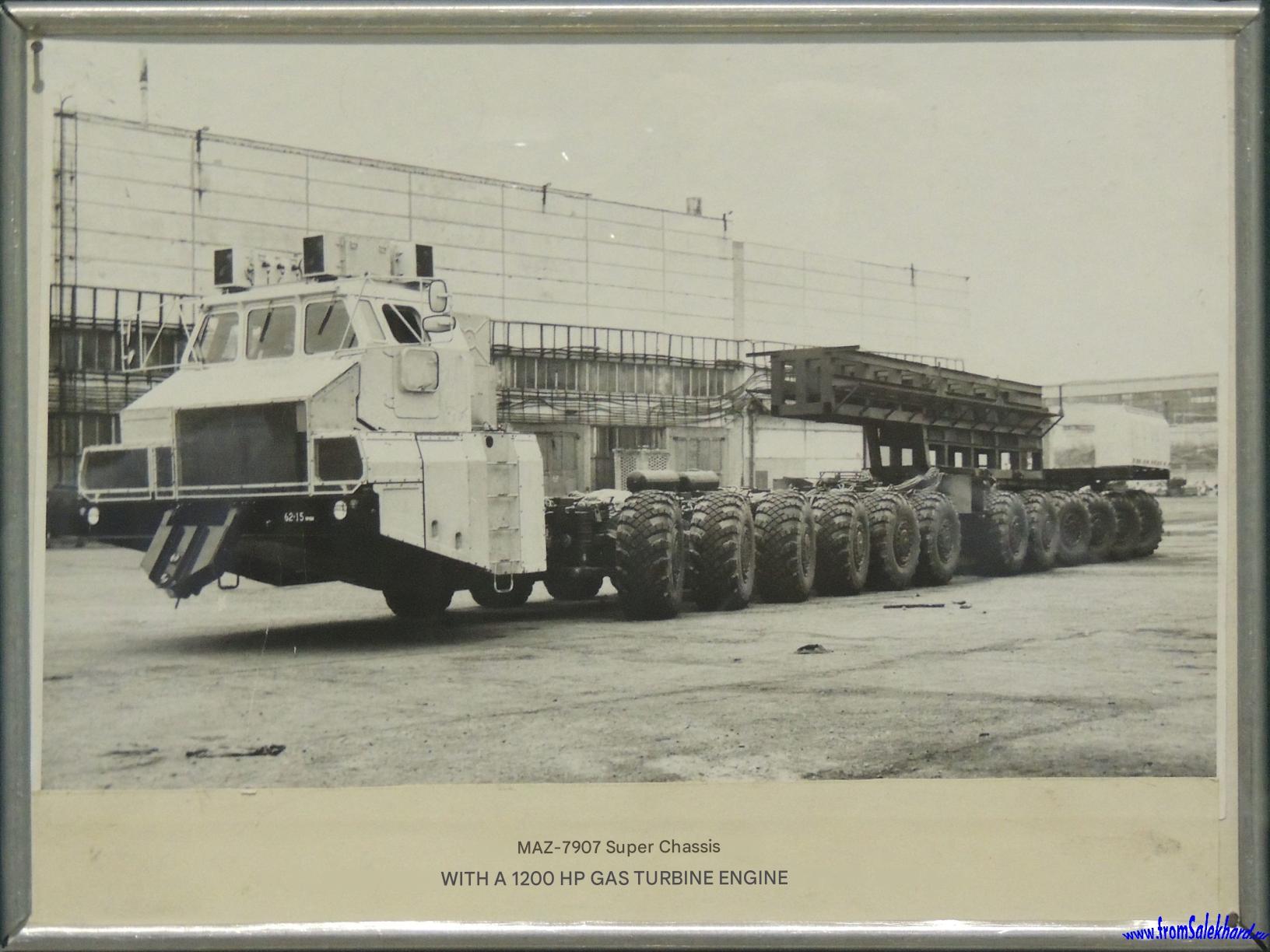
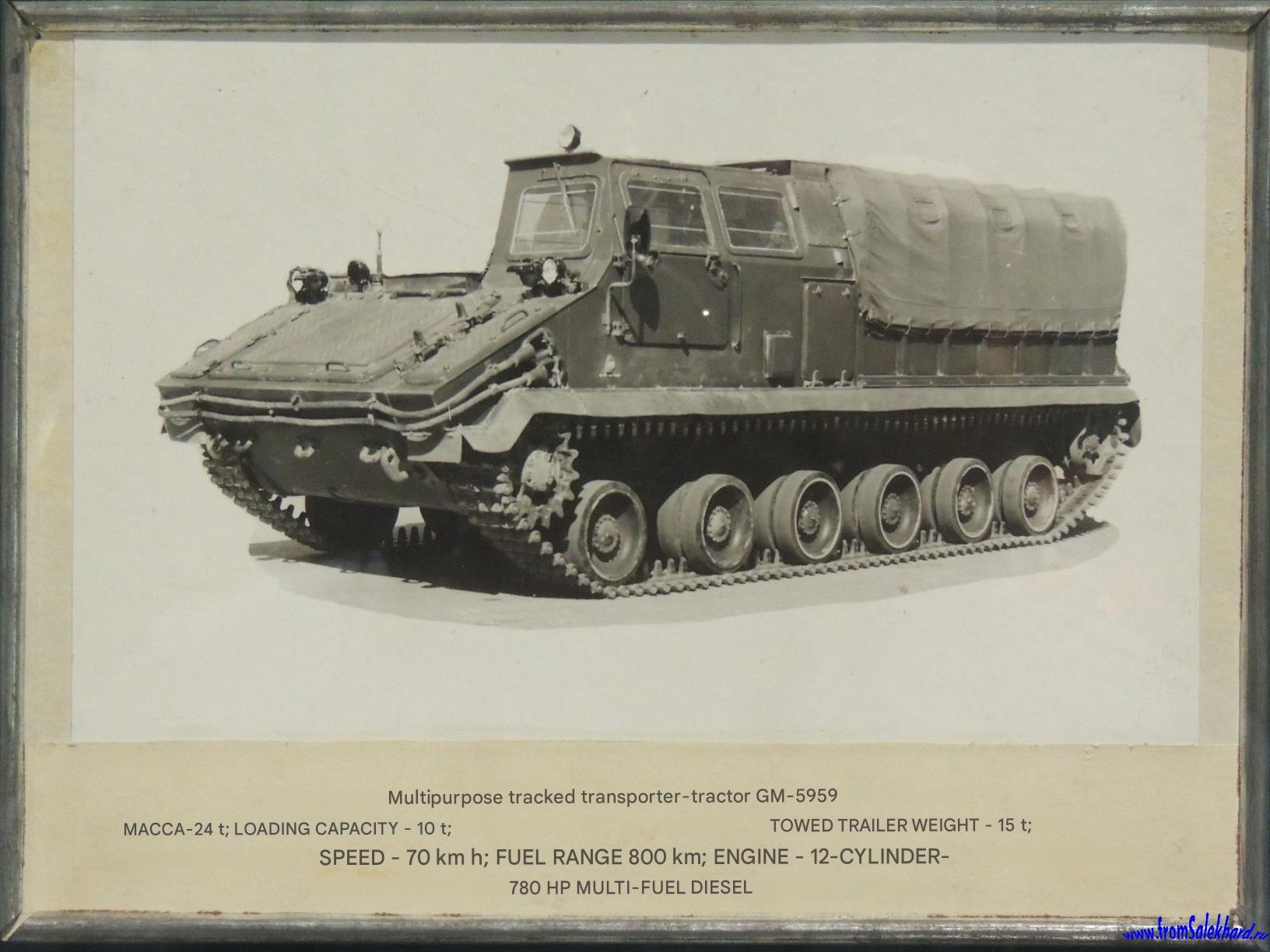
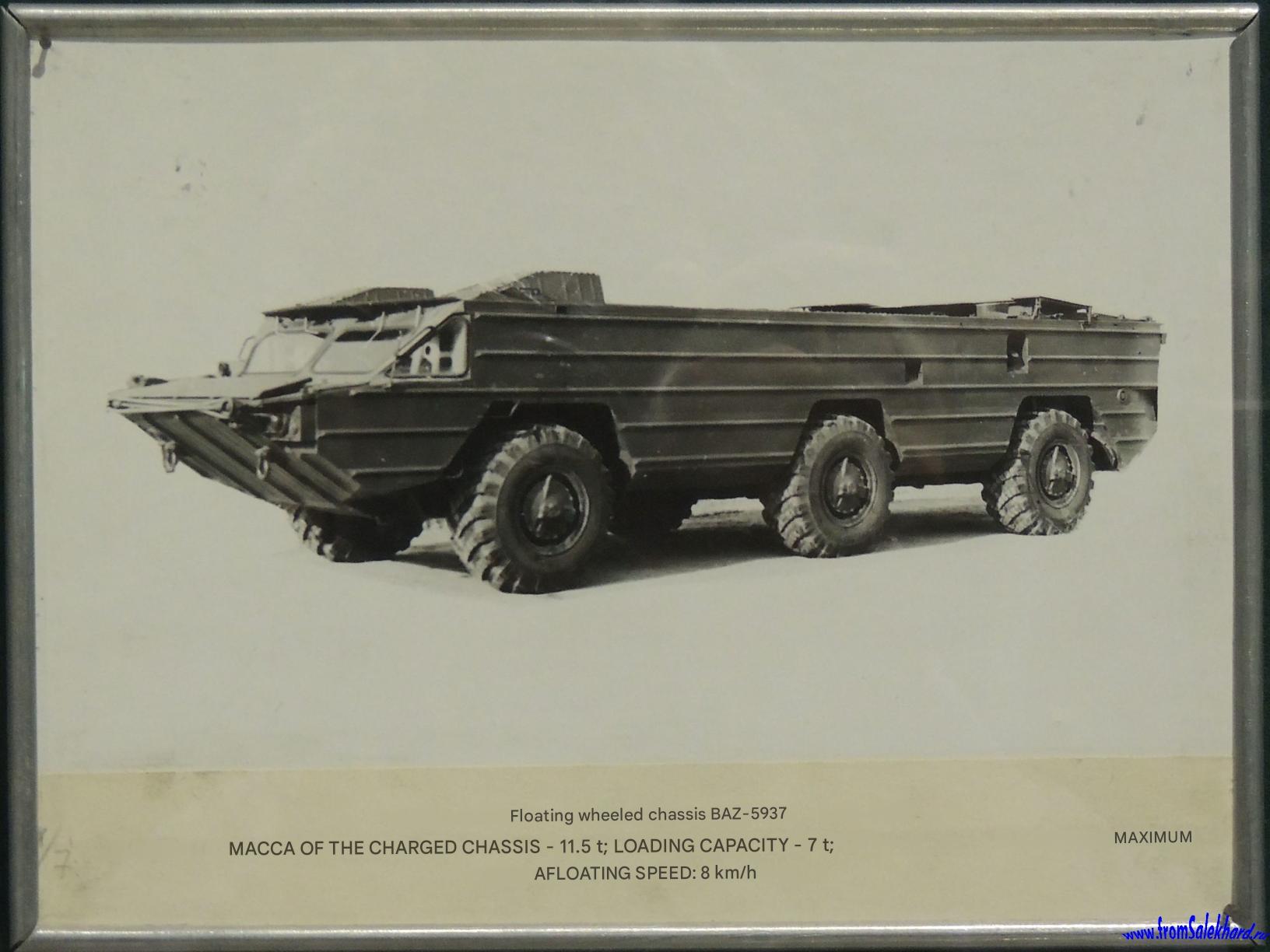
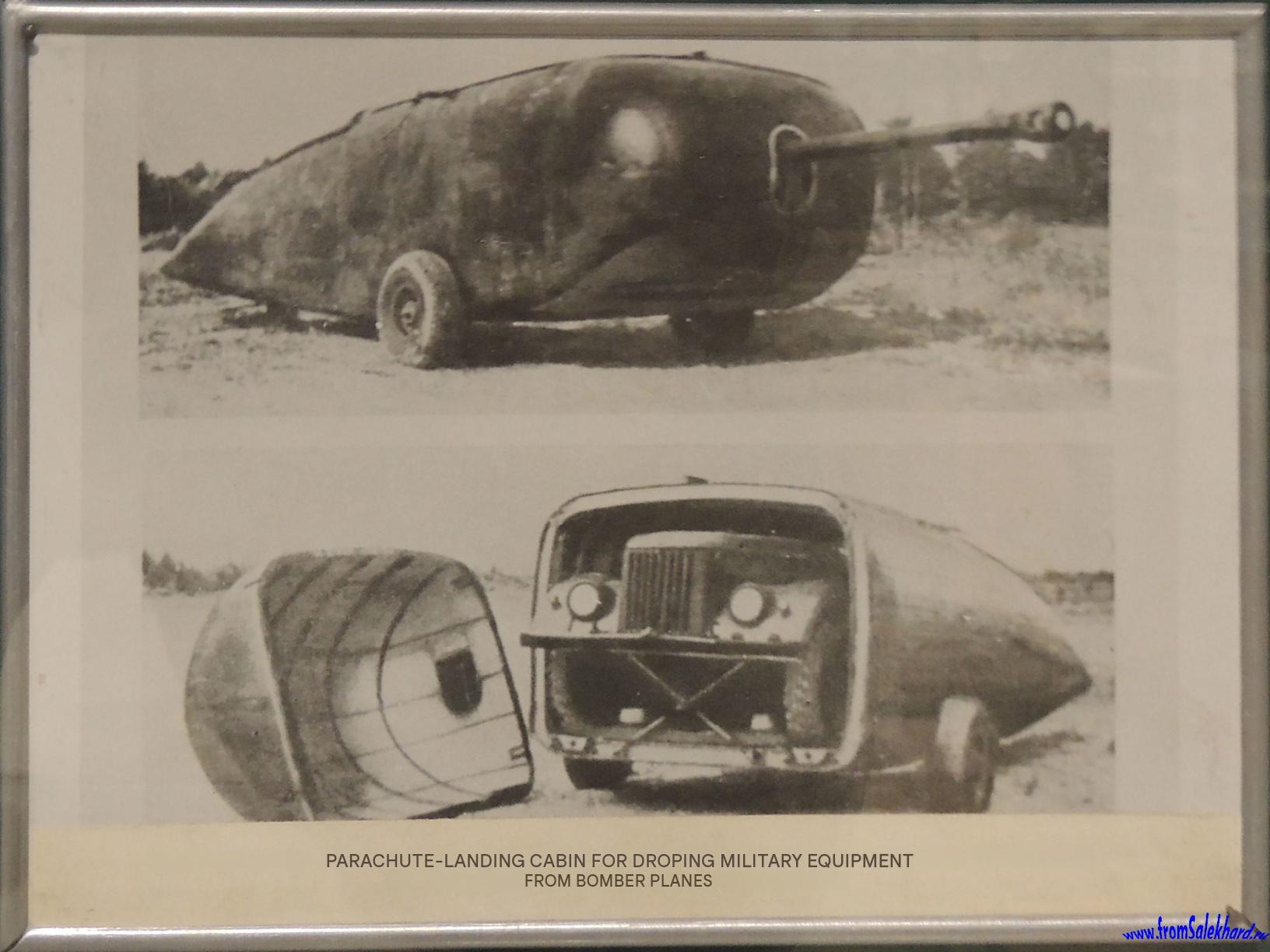
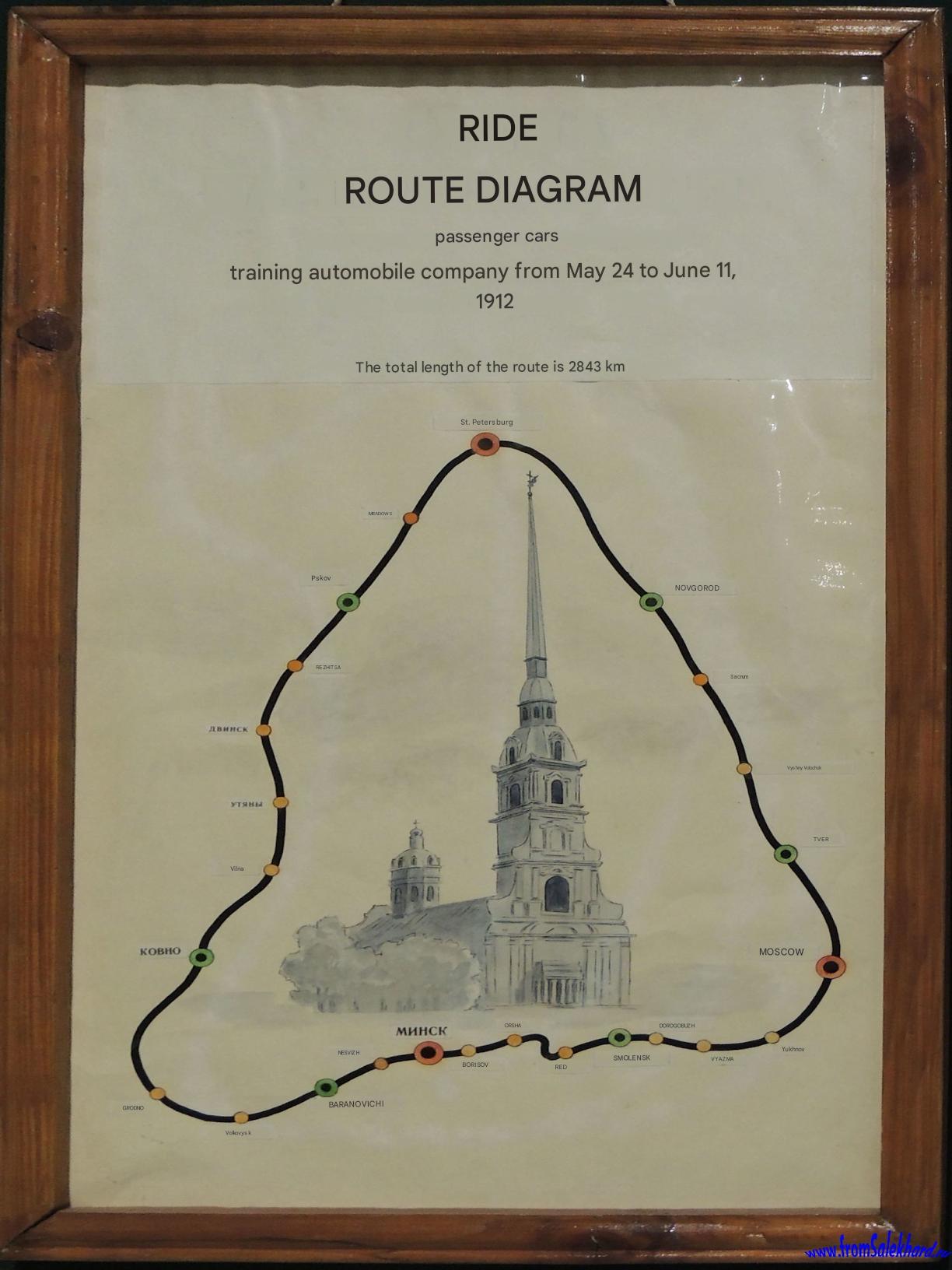
There are many unusual and little-known photographs there.
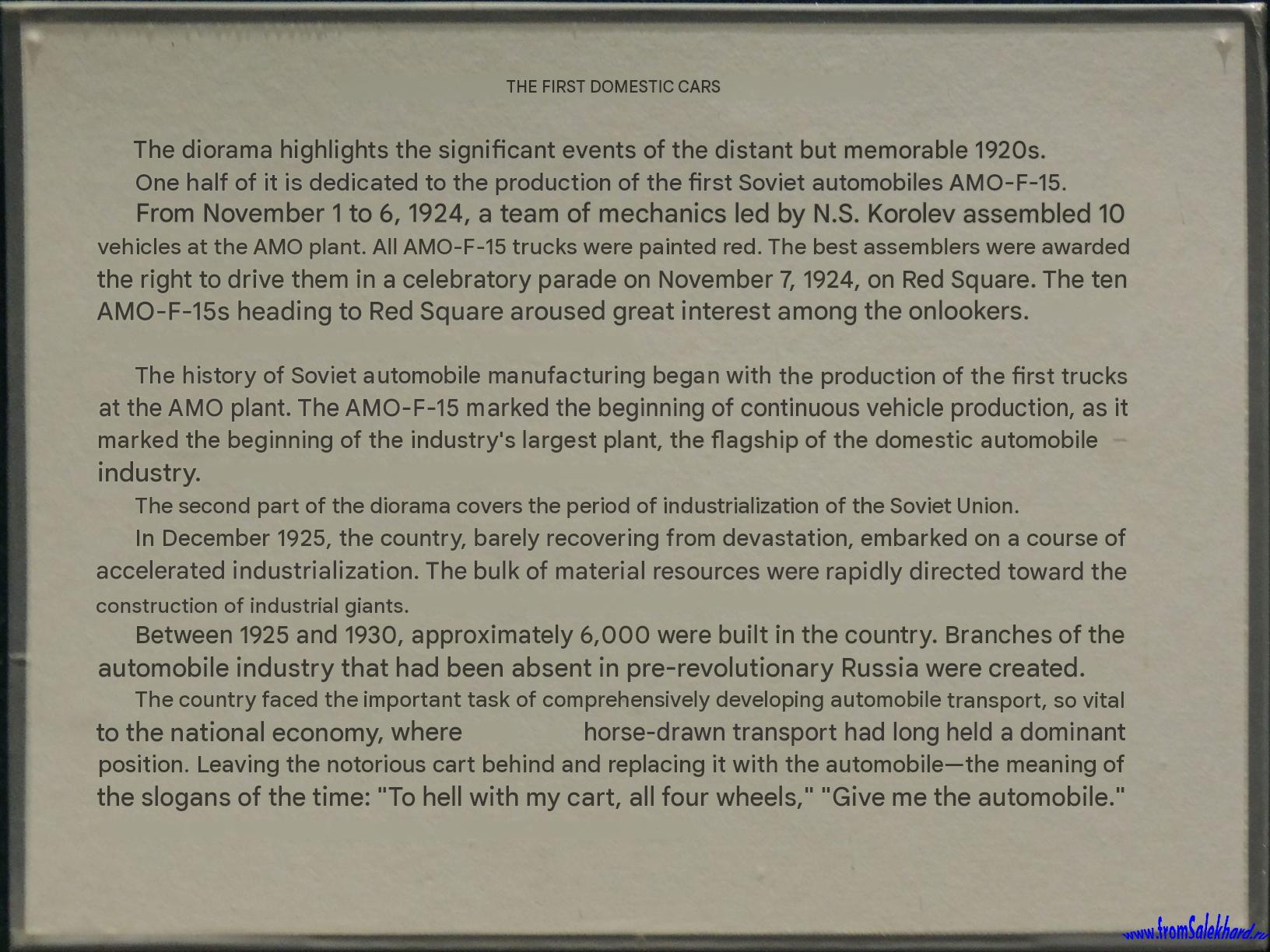
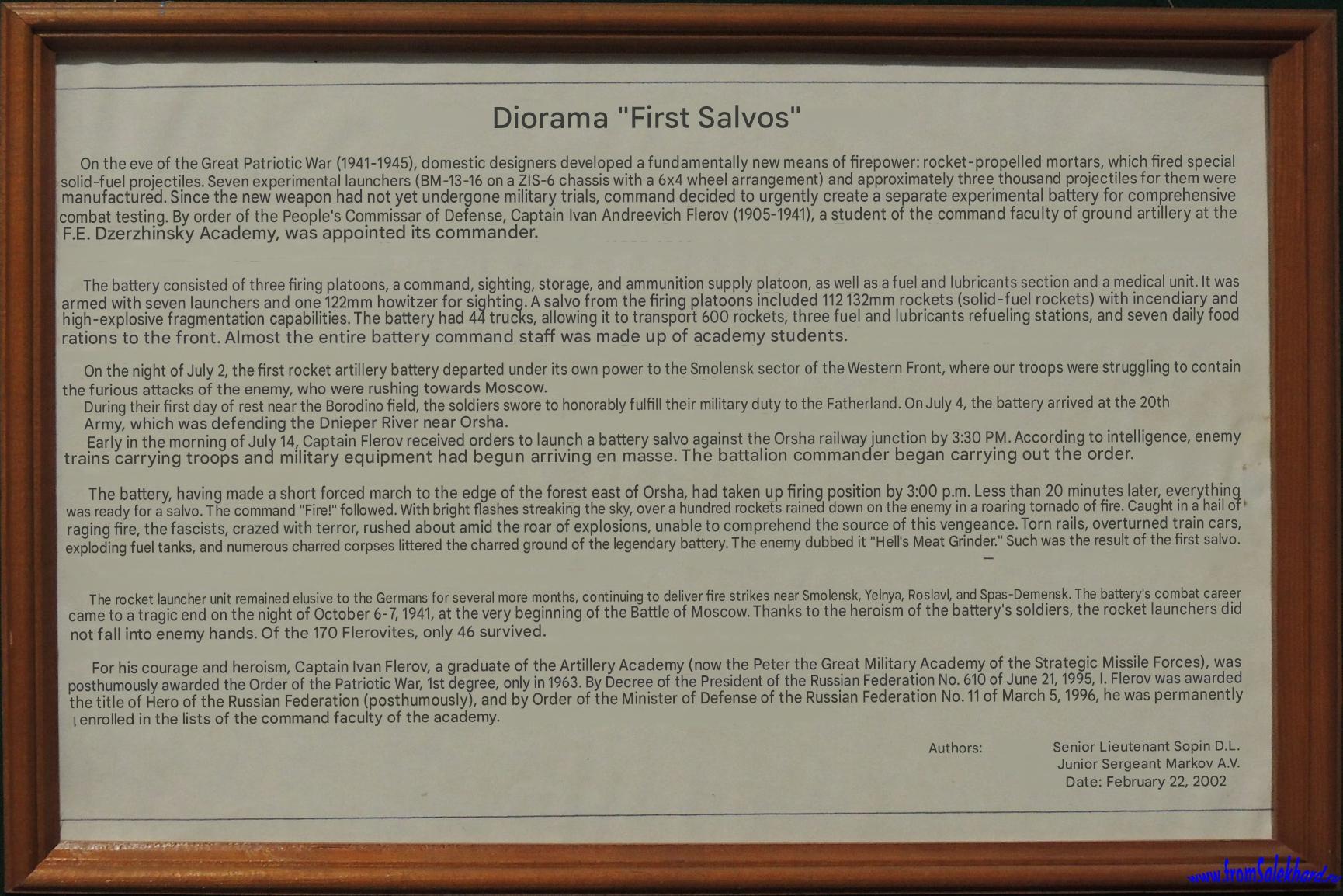
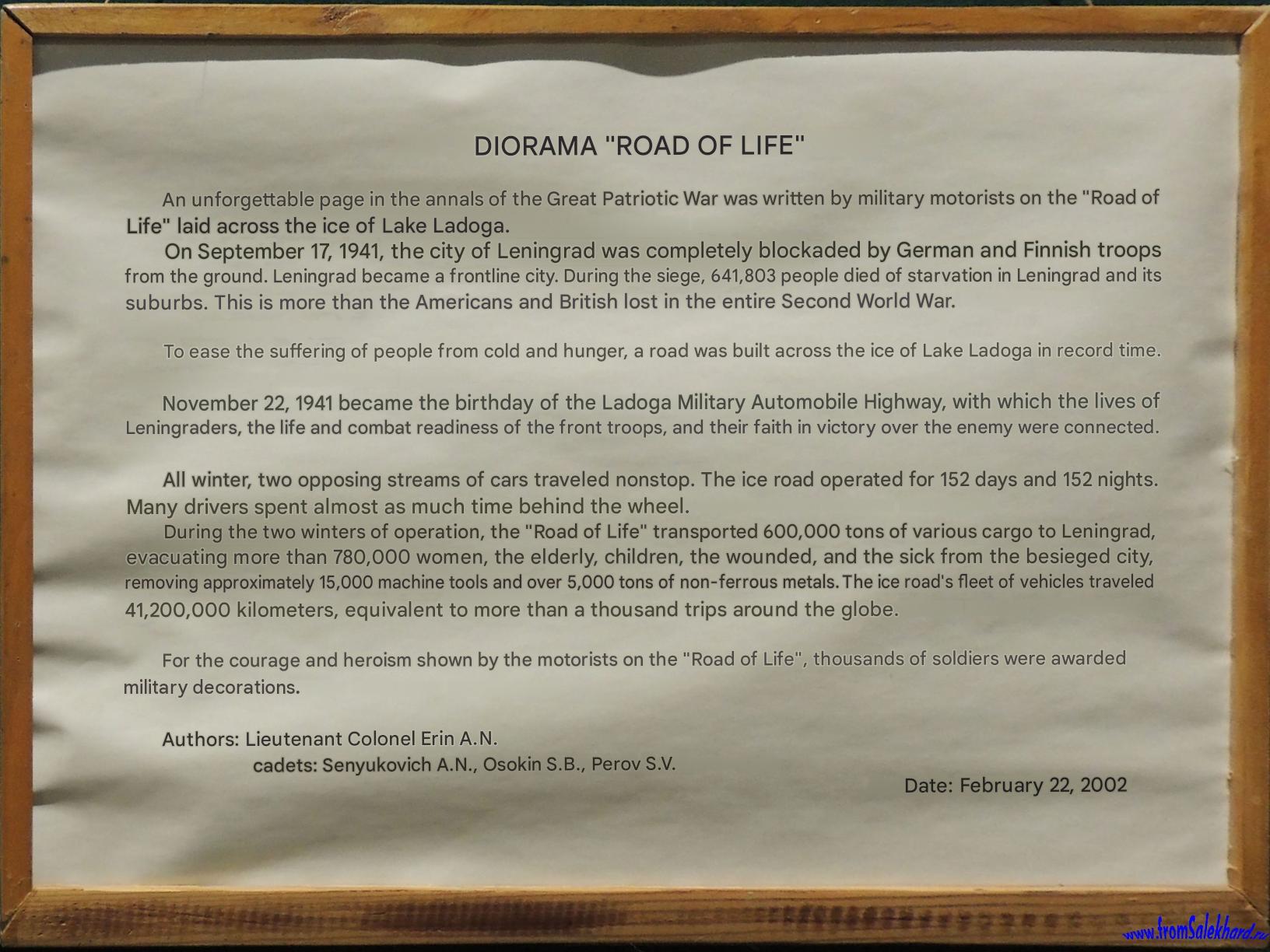
There are a few dioramas depicting significant events in our country’s history.