I am approaching this report about the museum with some trepidation. It is one of several vast military museums I have visited—more than once, in fact—but have yet to tell you about. Quite simply, they are enormous.
I have already visited this museum four times, and I will be back. I have more than 3,500 photographs of it. So how am I supposed to show you everything and tell you about it?
If I do it in my usual painstaking, methodical way, it will take several months—and both you and I will get tired of it.
So this is an introduction—which may well turn out to be rather long, too. I will publish all the other material in no particular order as I go along.
So, let us begin our long and fascinating journey!
This museum is located on the Volga River in a Russian city with an Italian name—Tolyatti—which was built for the production of the most mass-produced Soviet automobile: the VAZ “Zhiguli.”
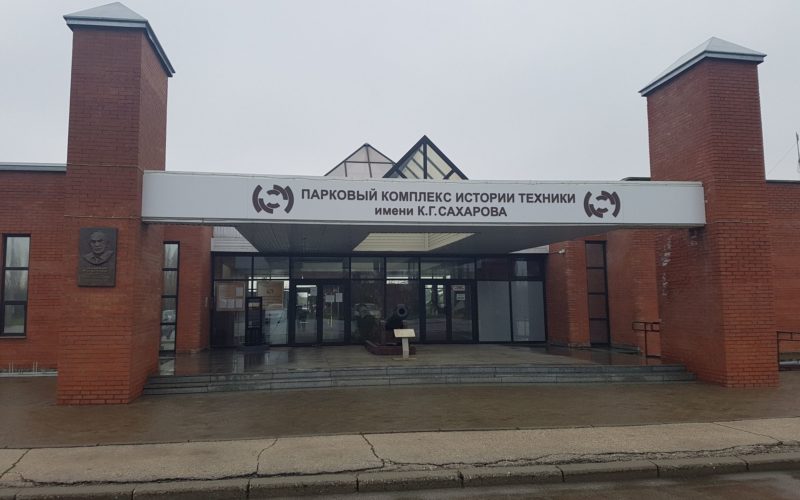
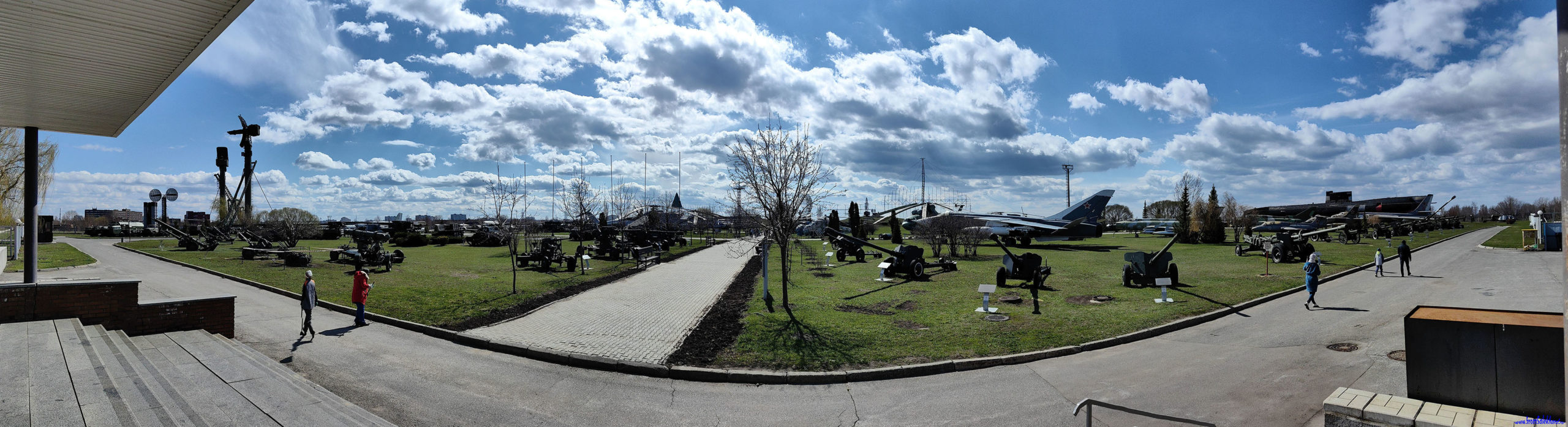
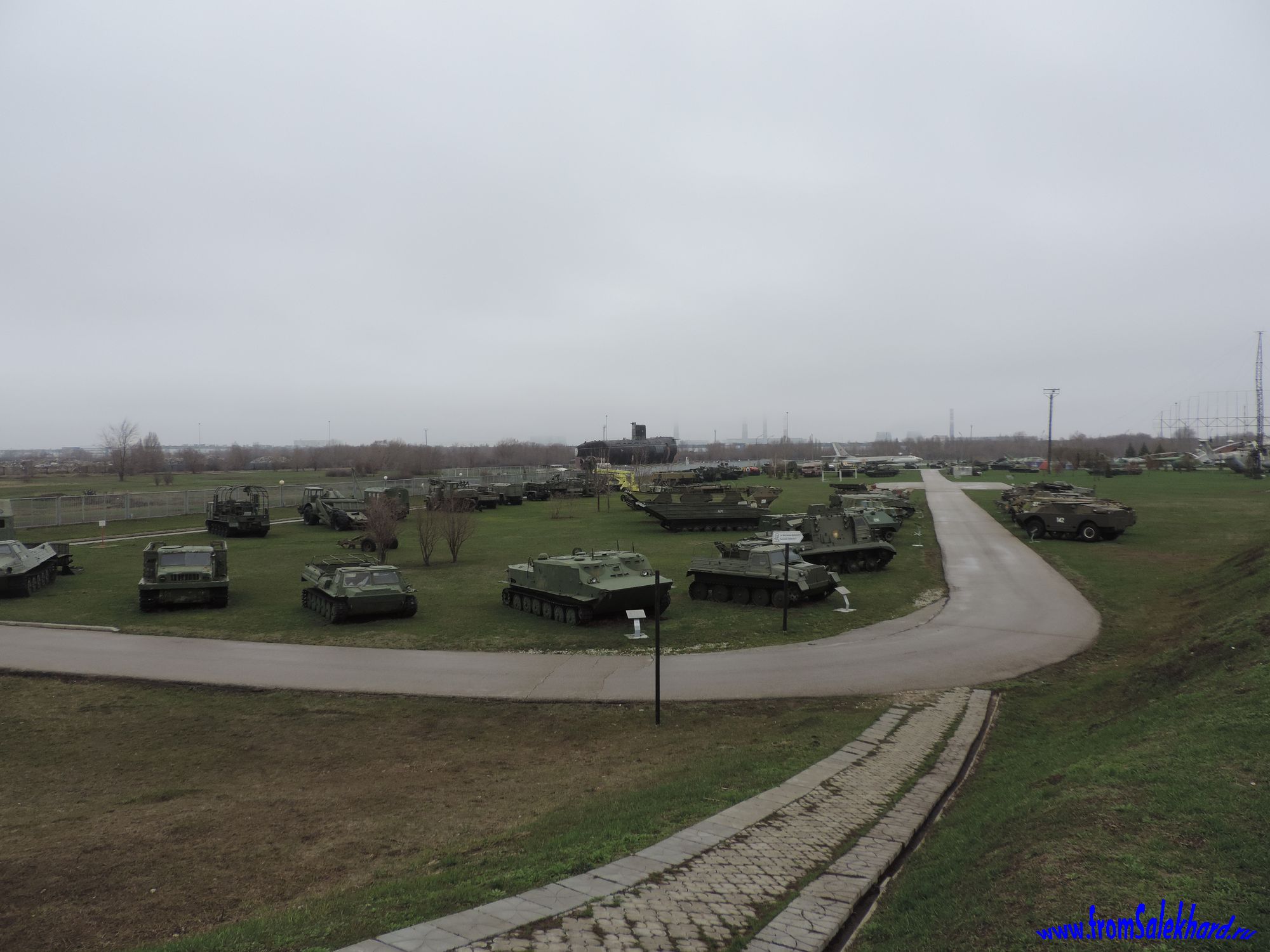
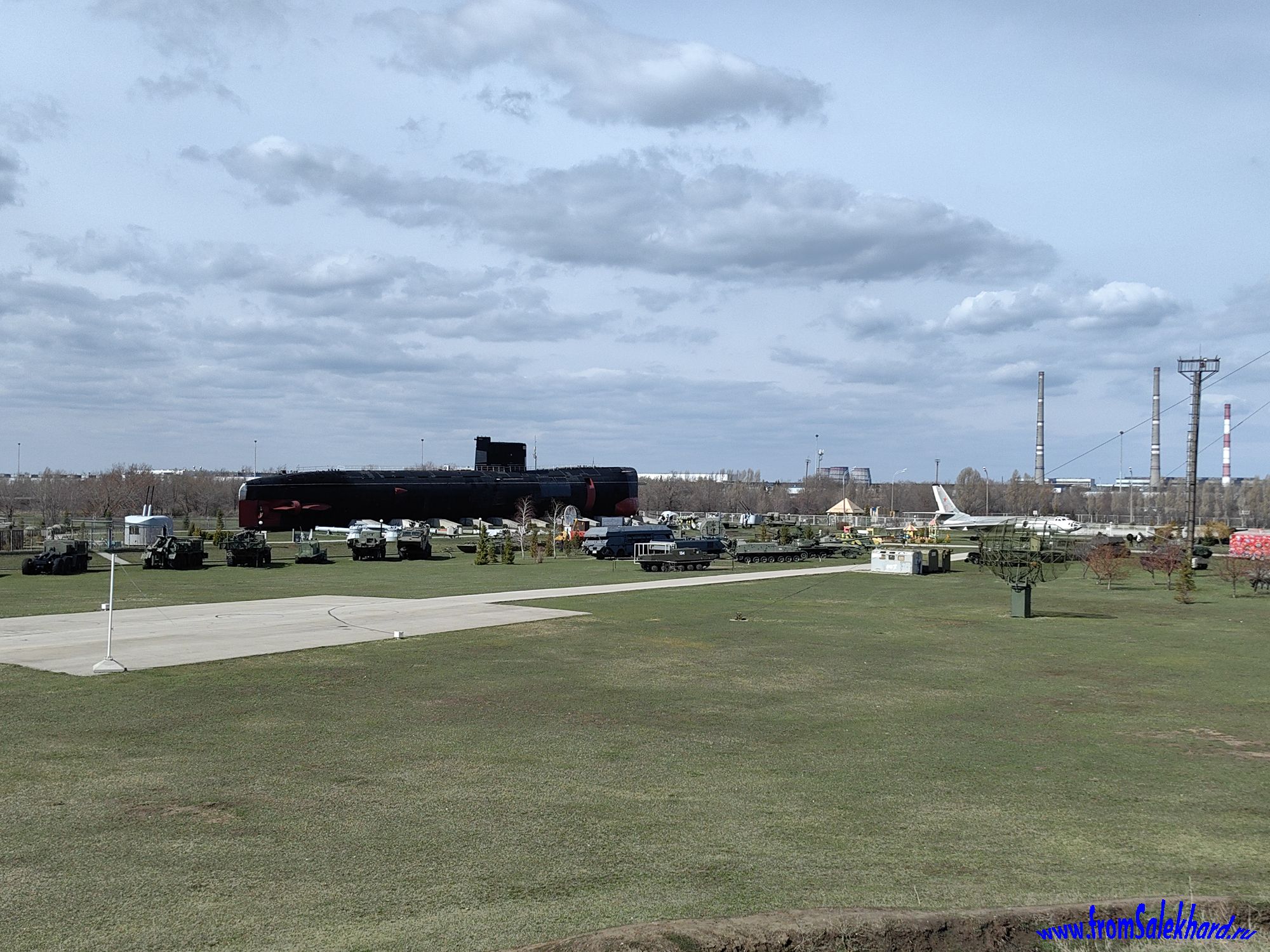
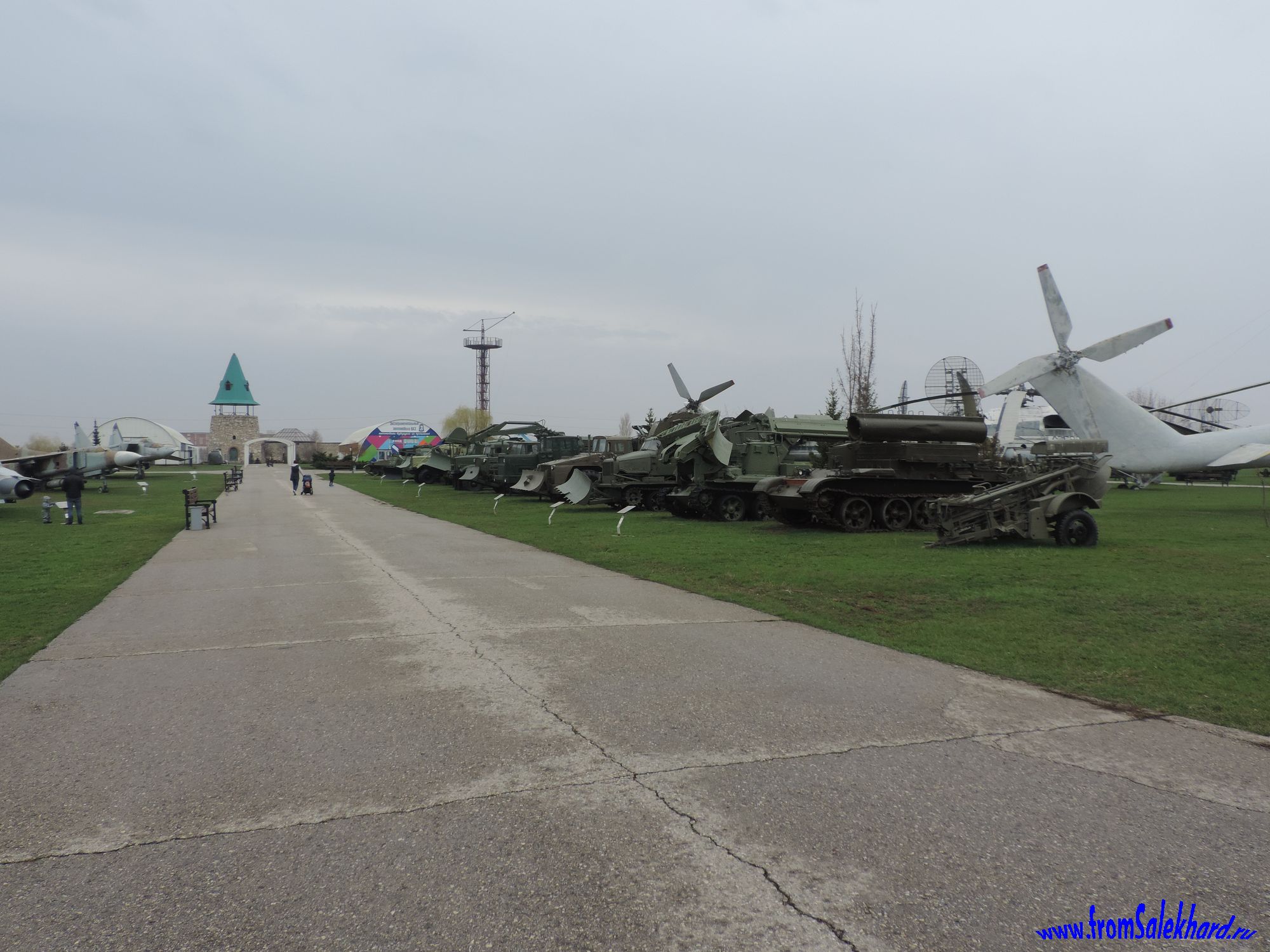
After passing through the building with the ticket office and other facilities—which I will tell you about later—you find yourself on the porch with this panorama!
There is so much to take in that it is hard to know where to head first. Let’s try going right.
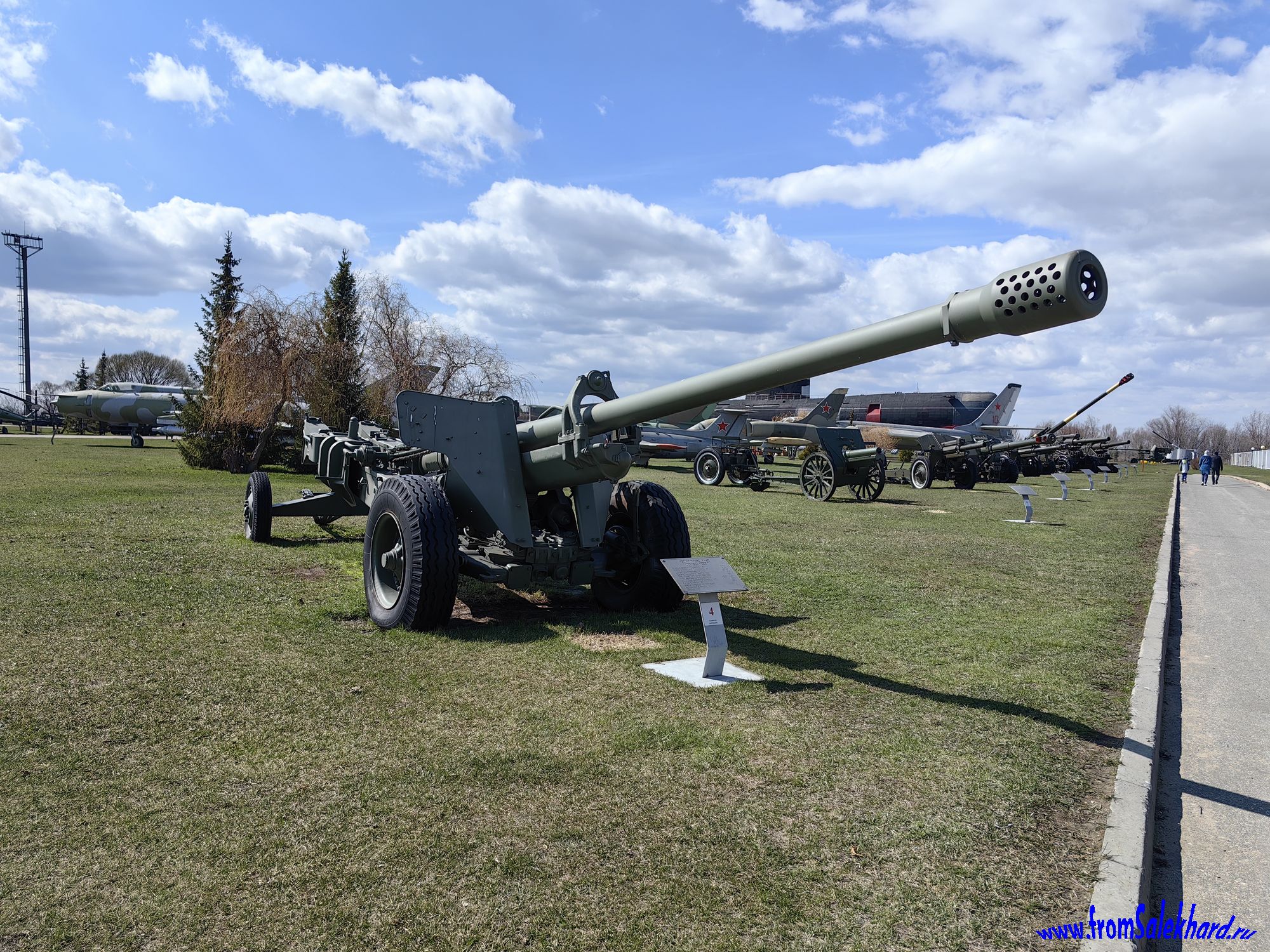
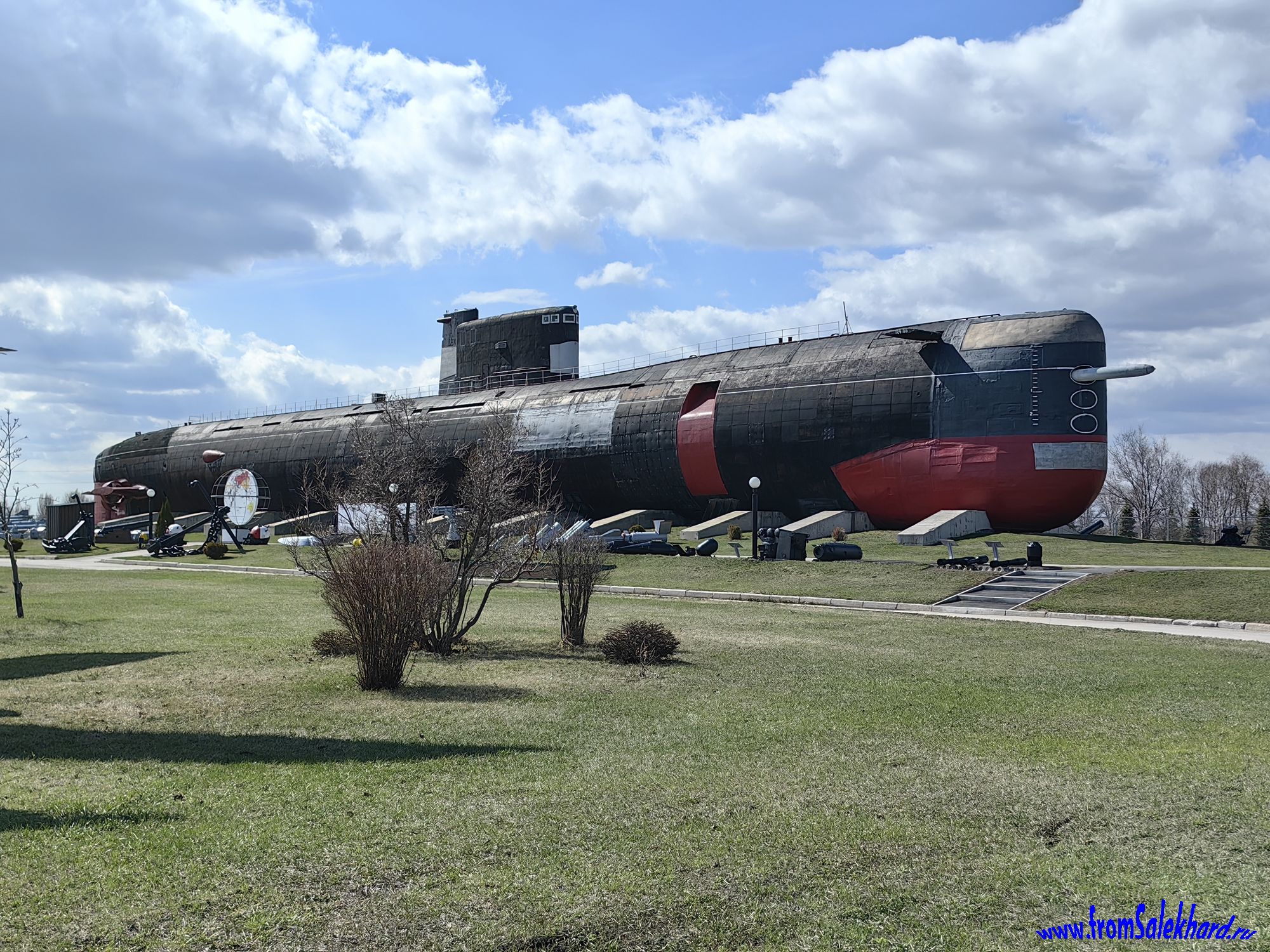
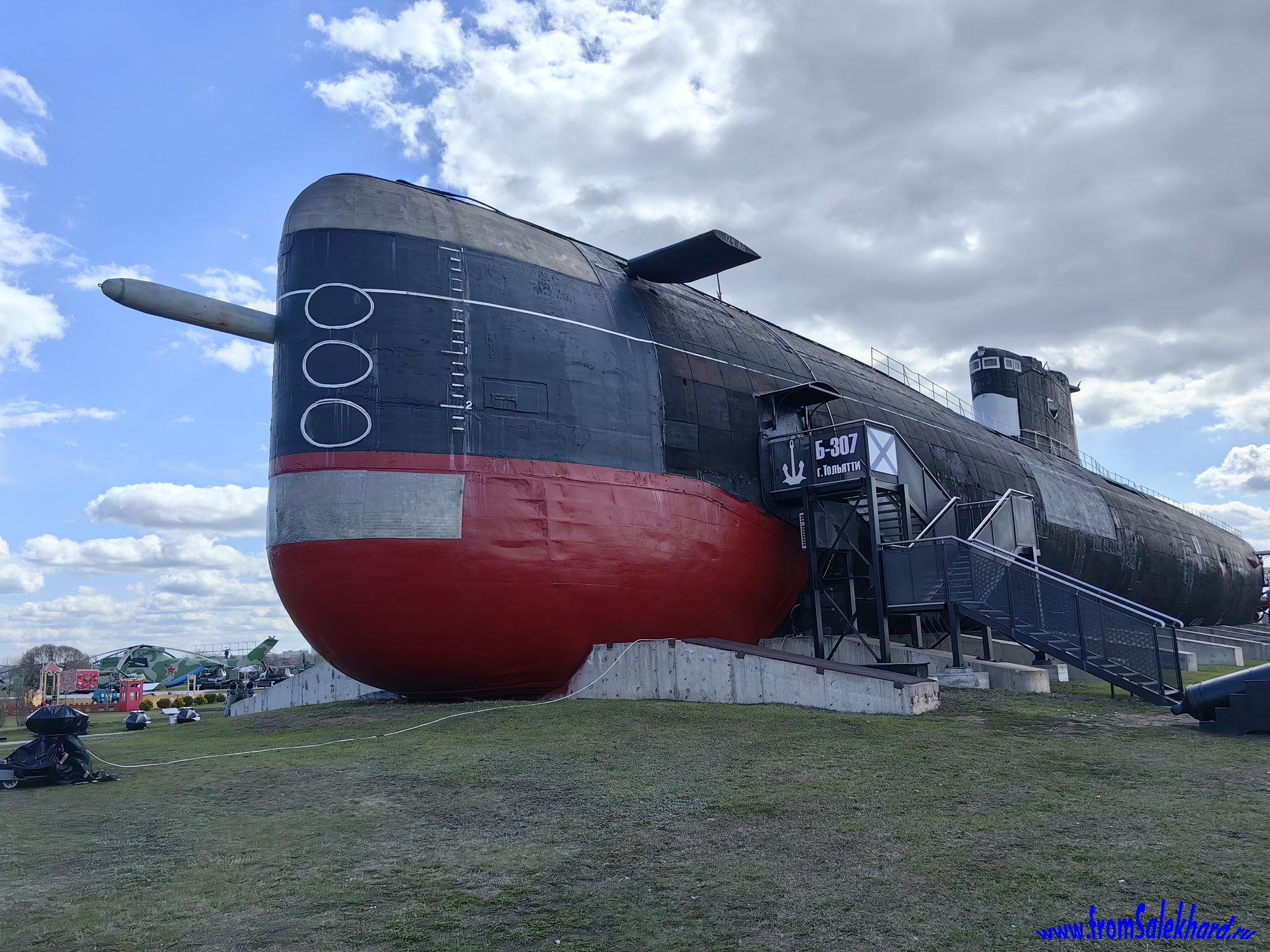
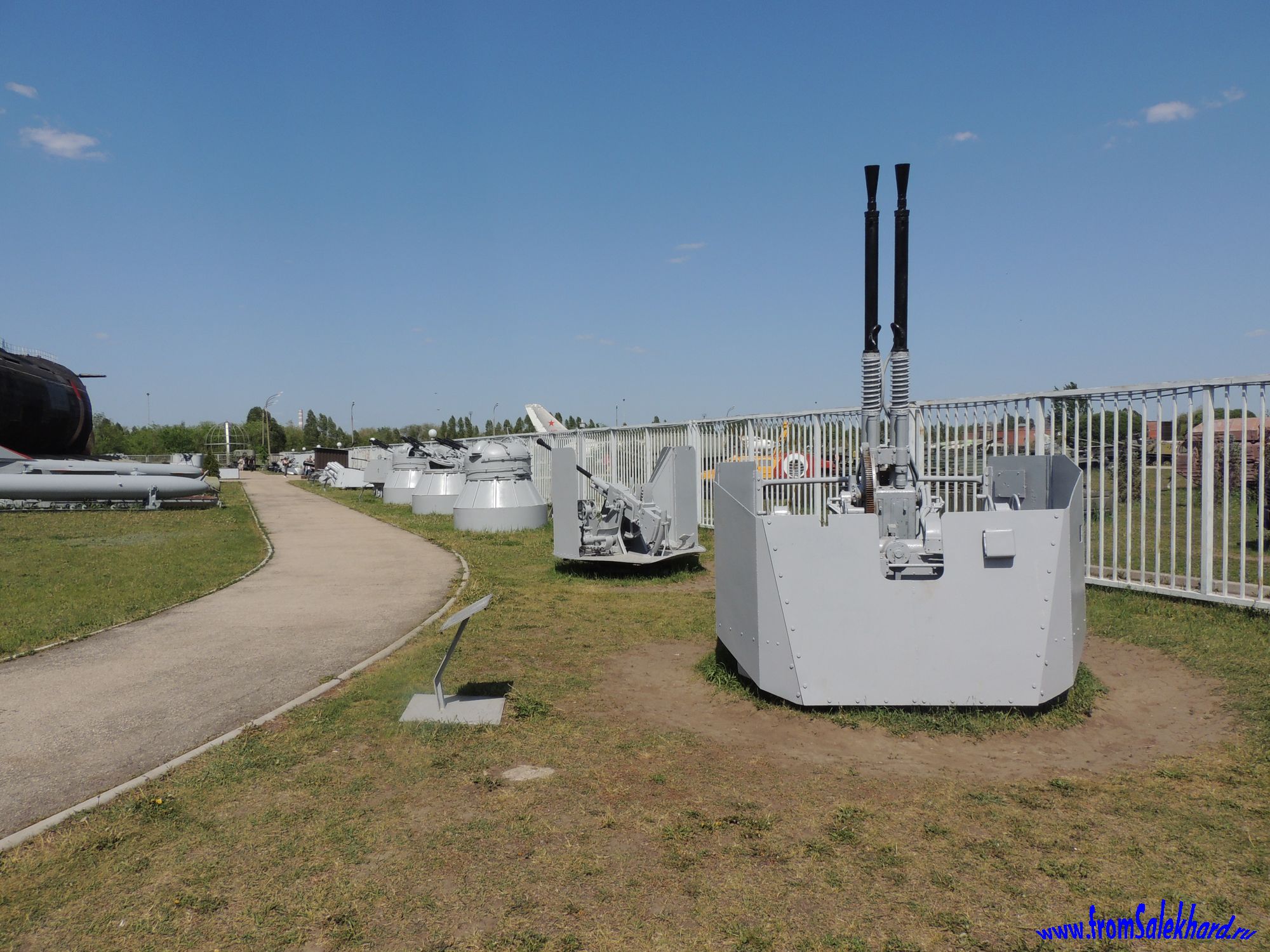
After passing the row of artillery pieces, we come face to face with something truly extraordinary: a submarine!
You need to be careful with this one. Not because it is a formidable weapon—that is for the enemy to worry about—but because it is open to visitors only during the warm season.
What’s more, visits are allowed only as part of a group accompanied by a guide, which means you have to follow a schedule.
You also have to book in advance on the website. I did not manage to get in on my first attempt. Otherwise, you will have to make do with just the naval weapons exhibition.
That is worth seeing too, of course, but it would still be a shame to miss the submarine.
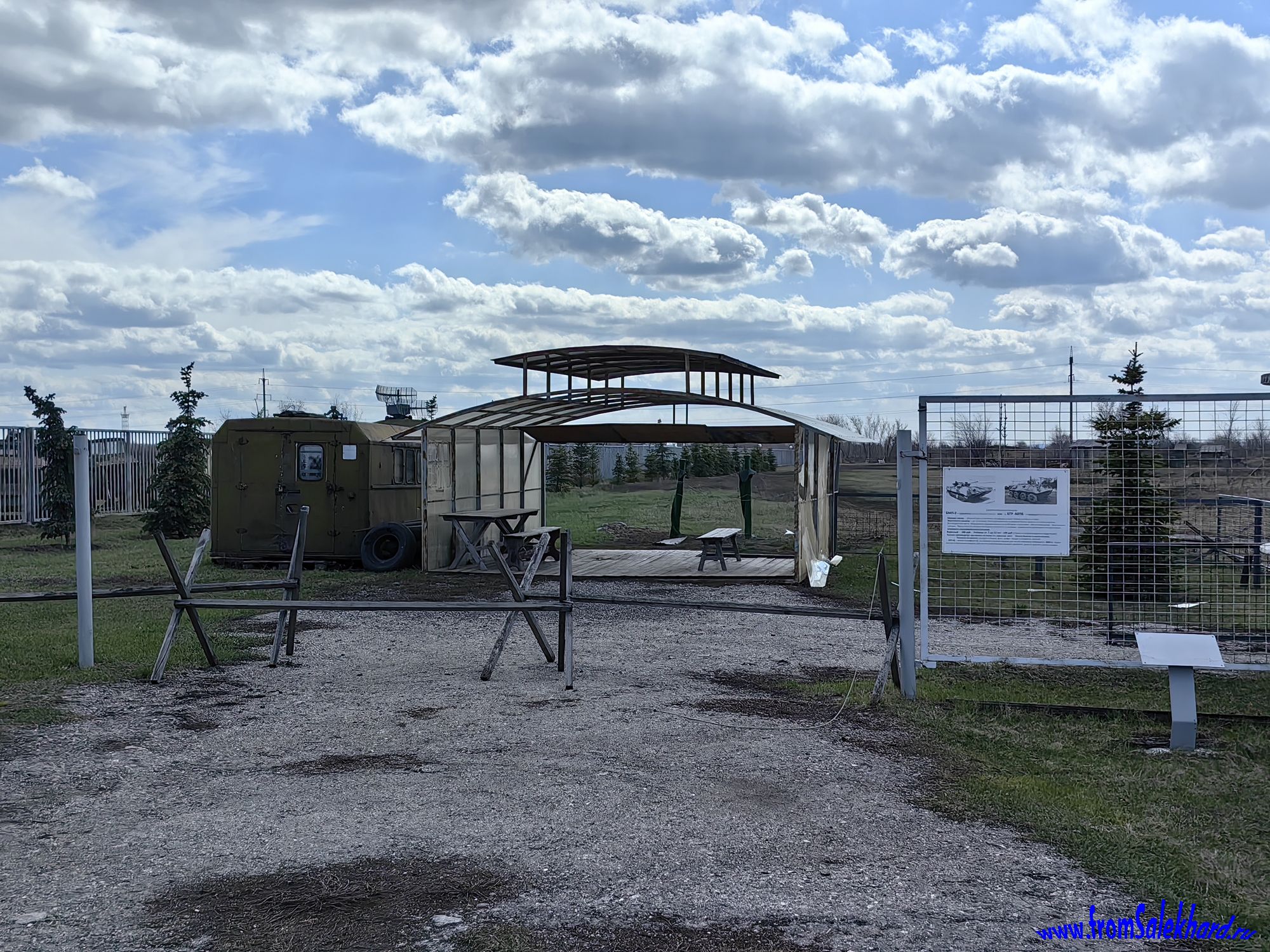
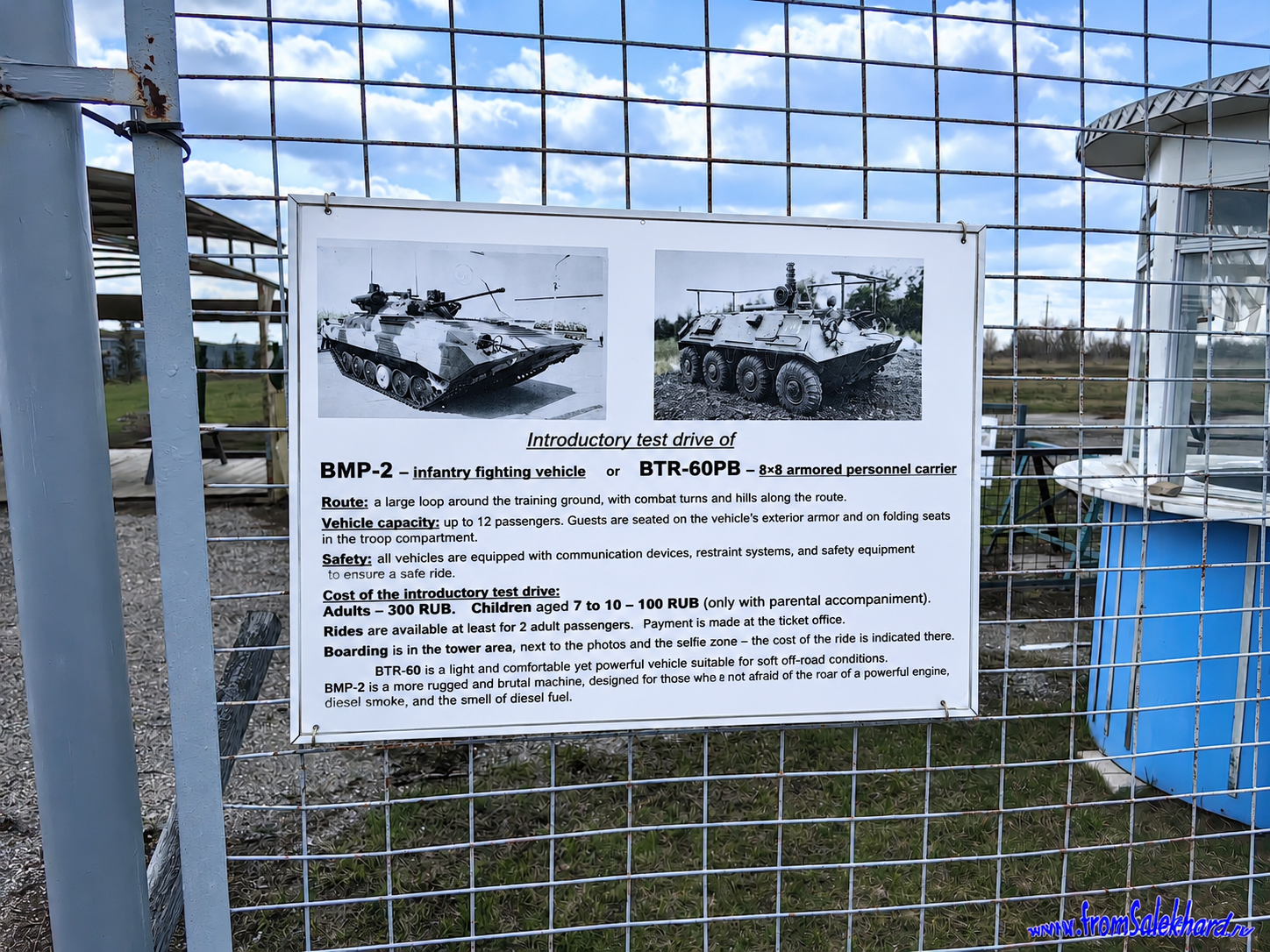
Nearby, it seems, you can also take a ride in an armoured vehicle,
but I have never seen it in operation. Perhaps they run it at weekends? I try to visit on quiet weekdays.
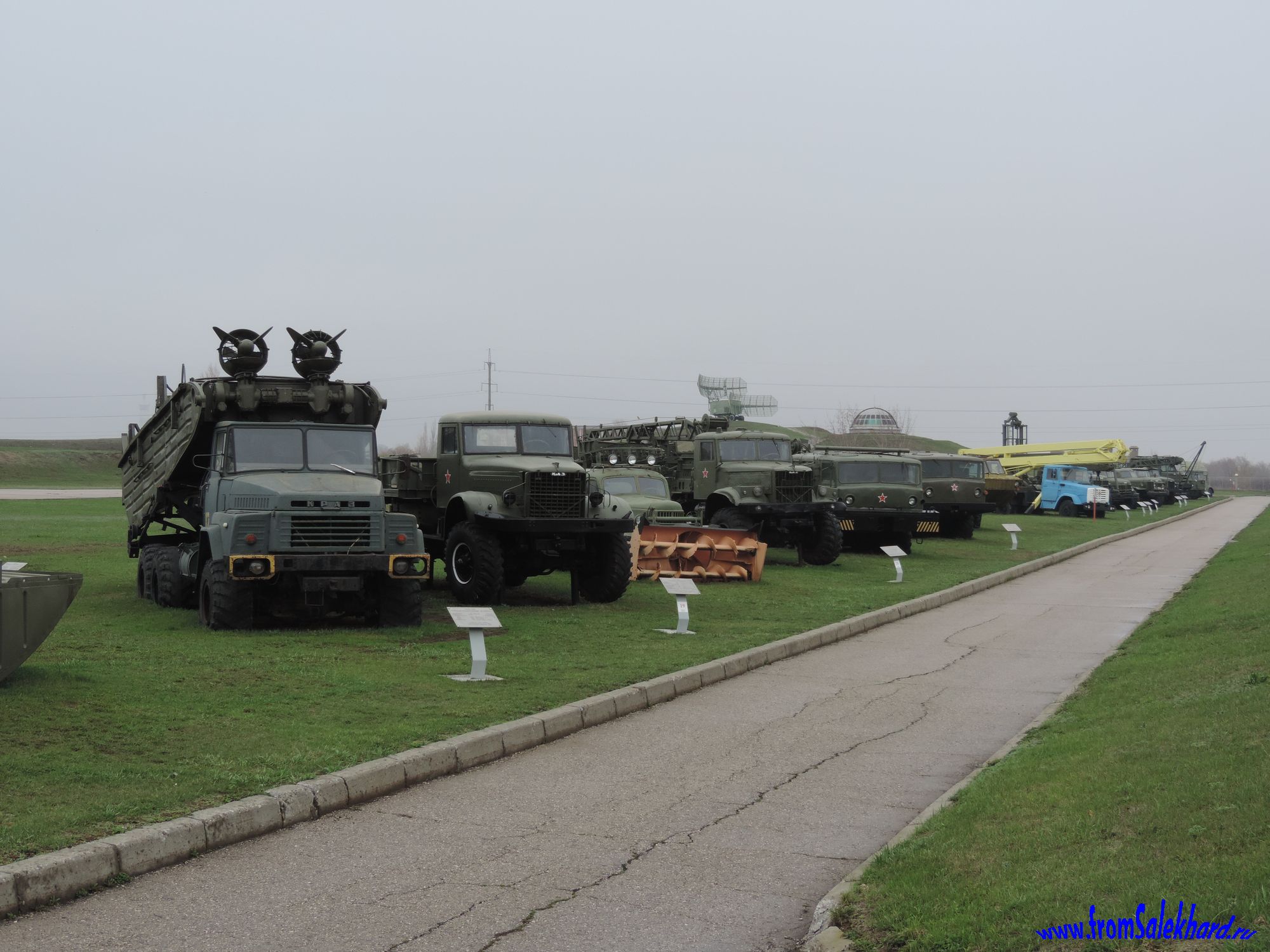
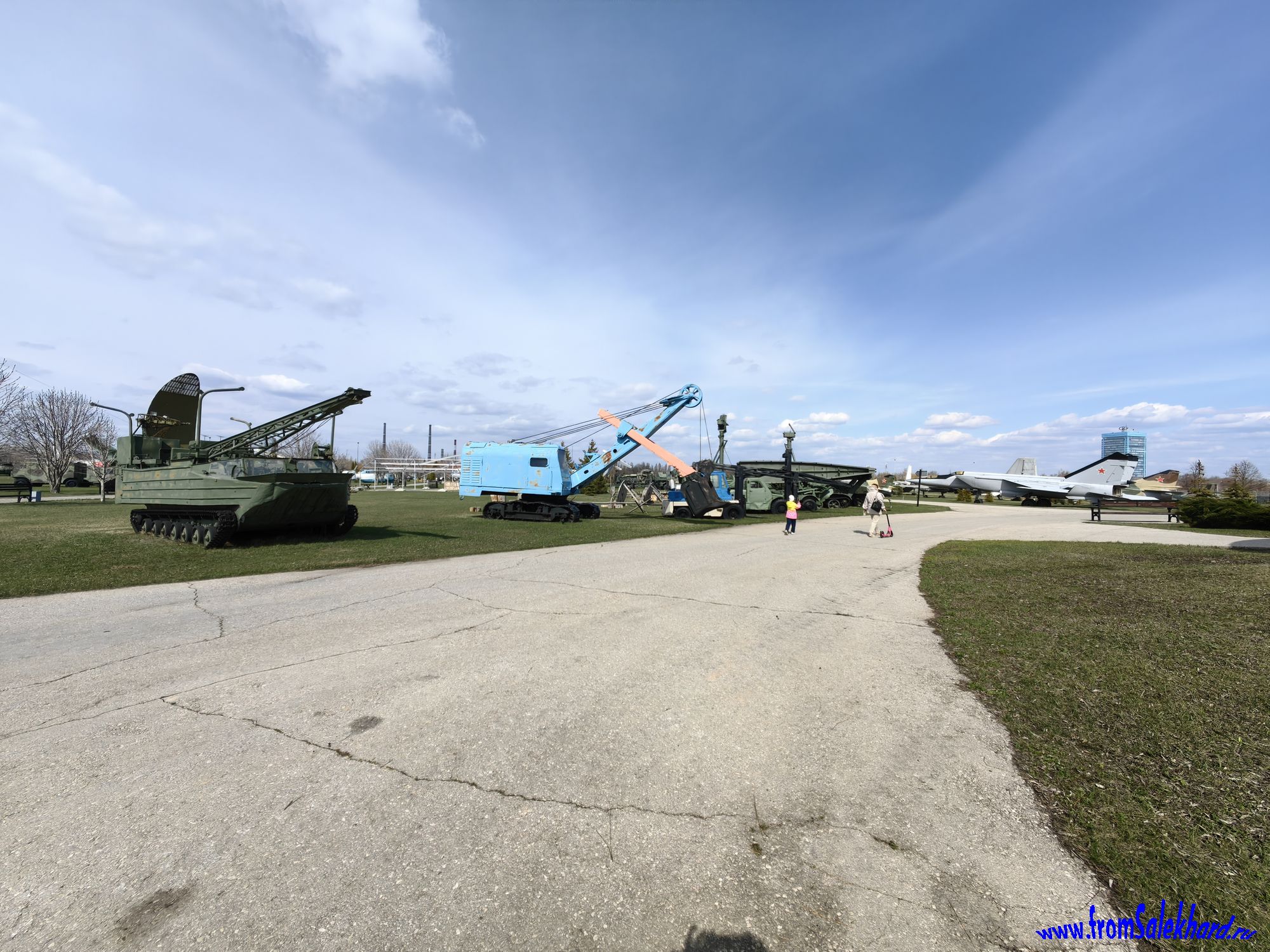
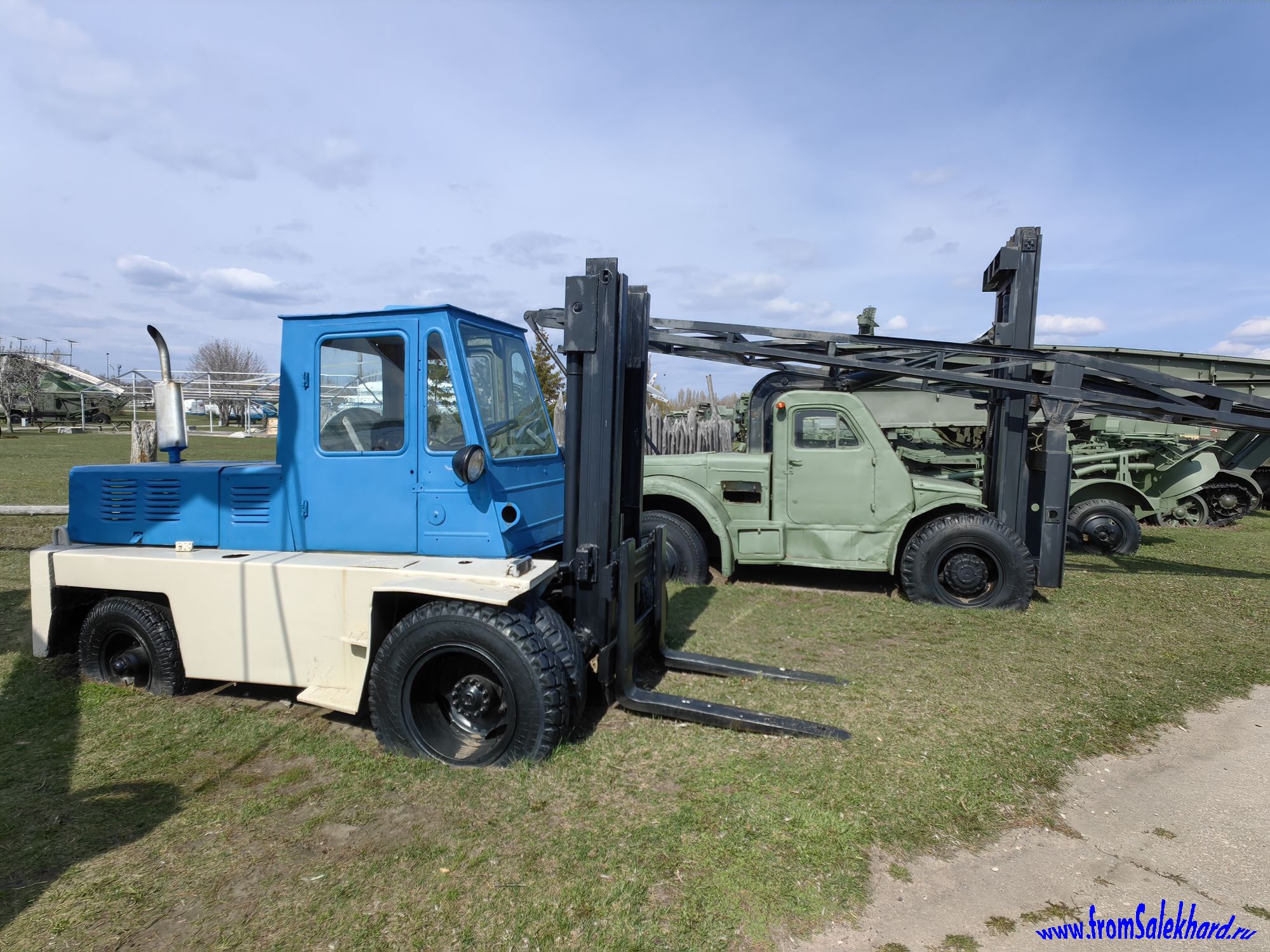
Then comes another difficult choice of direction. You can follow the line of support vehicles, interspersed with some civilian machinery,
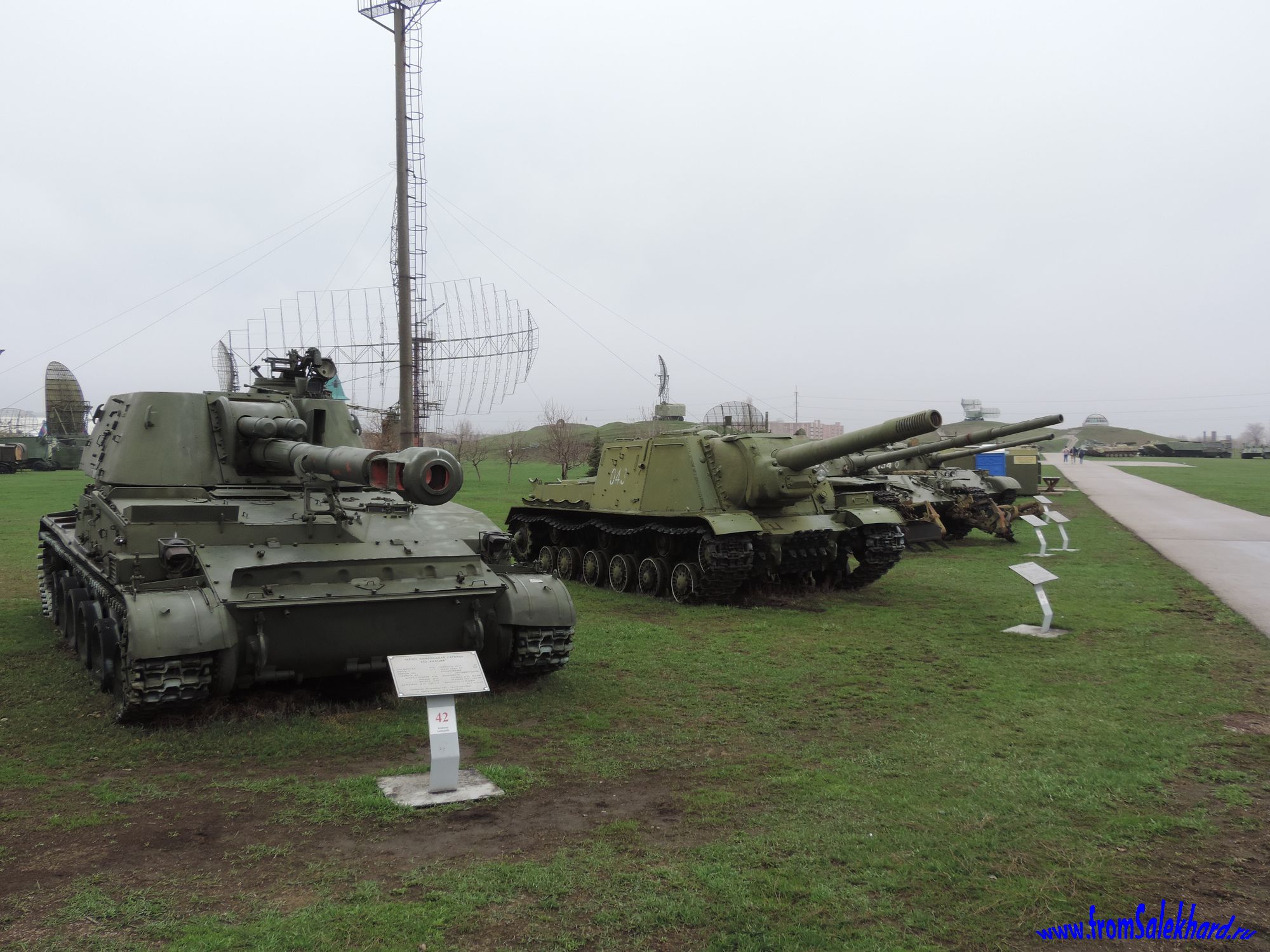
or spend as much time as you like admiring the purely military heavy armour.
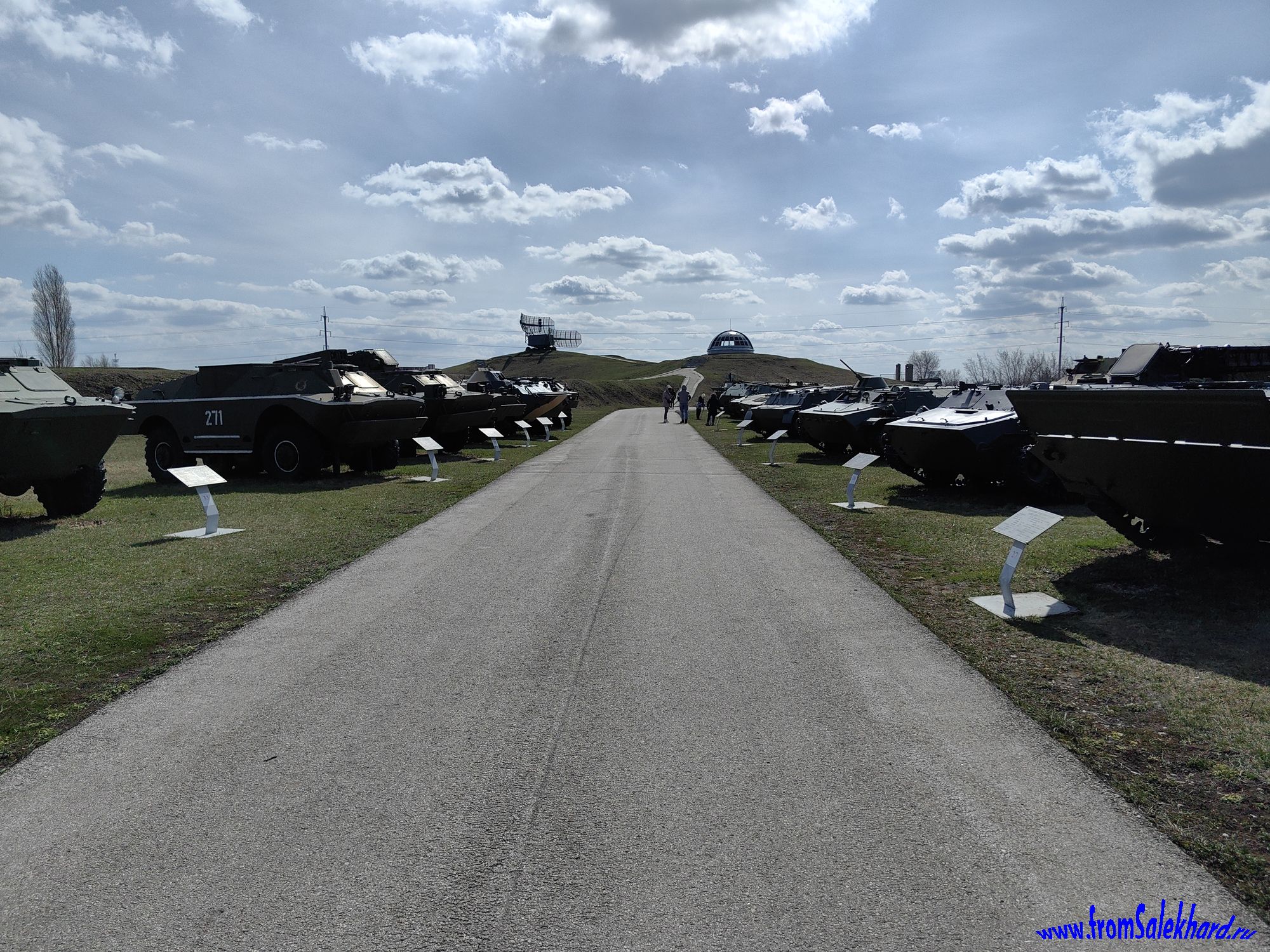
The paths converge and lead here
to this oddly purposed little hill.
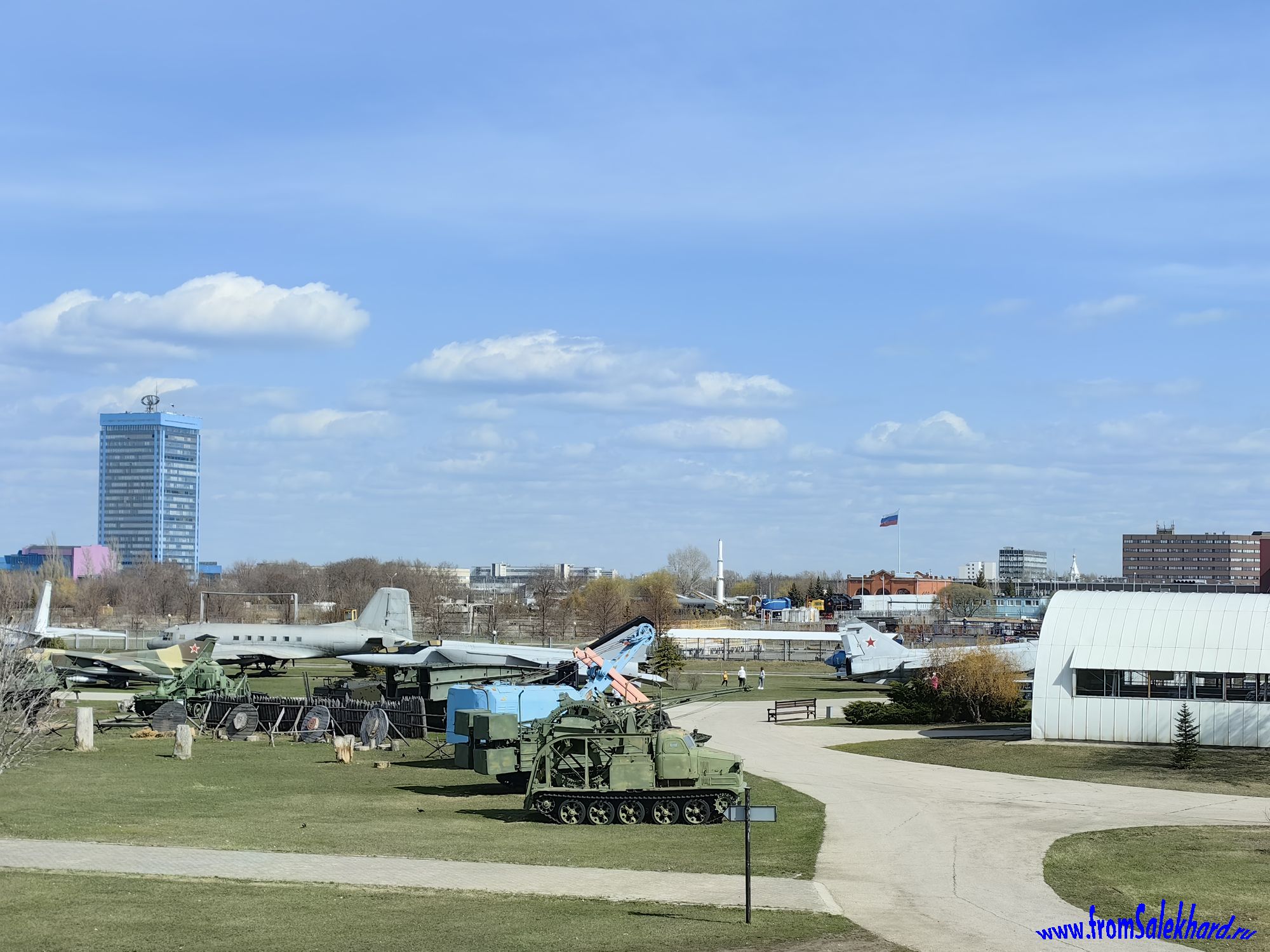
But from here you can survey the whole area: where you came from
and where you are heading next.
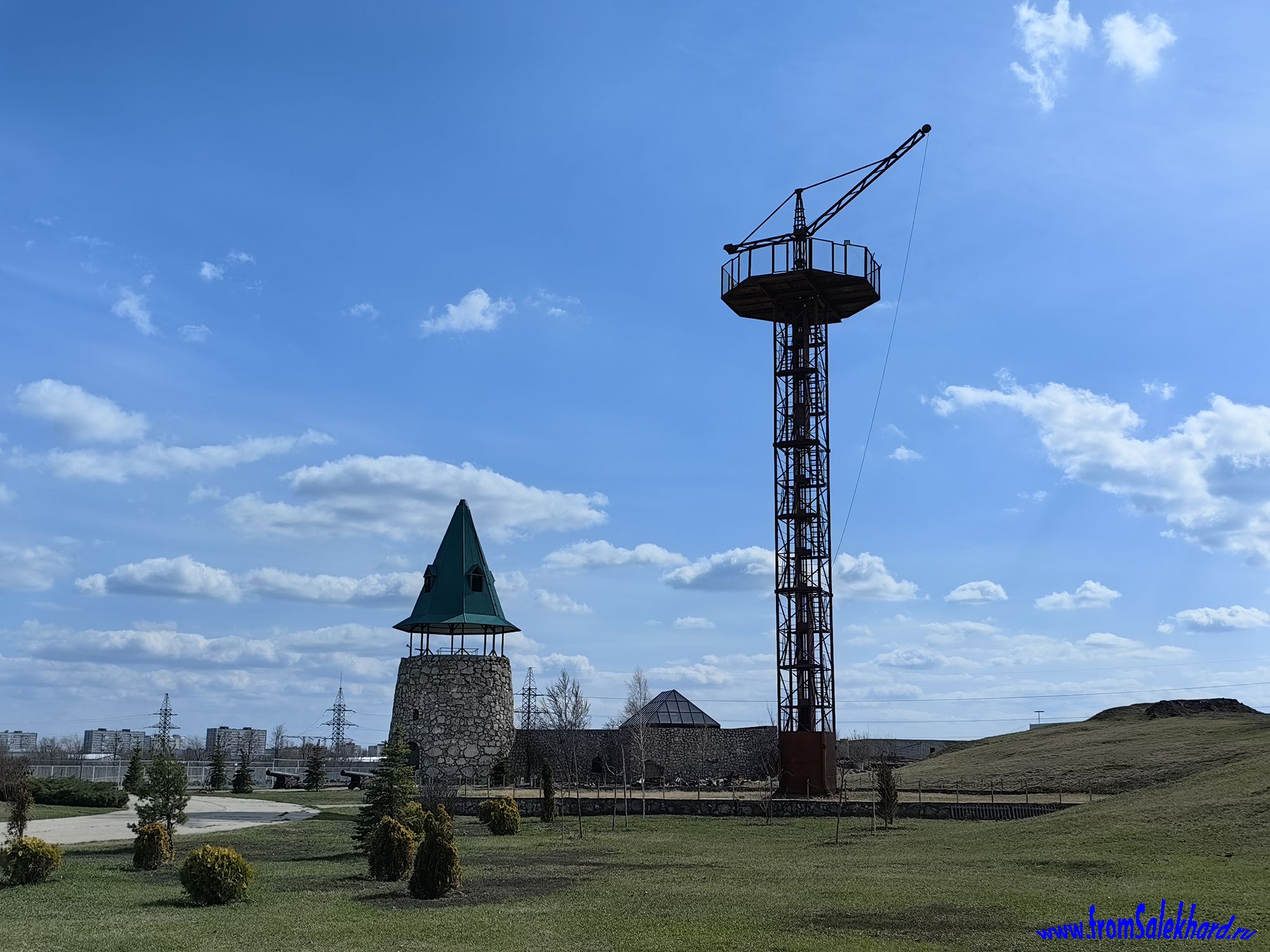
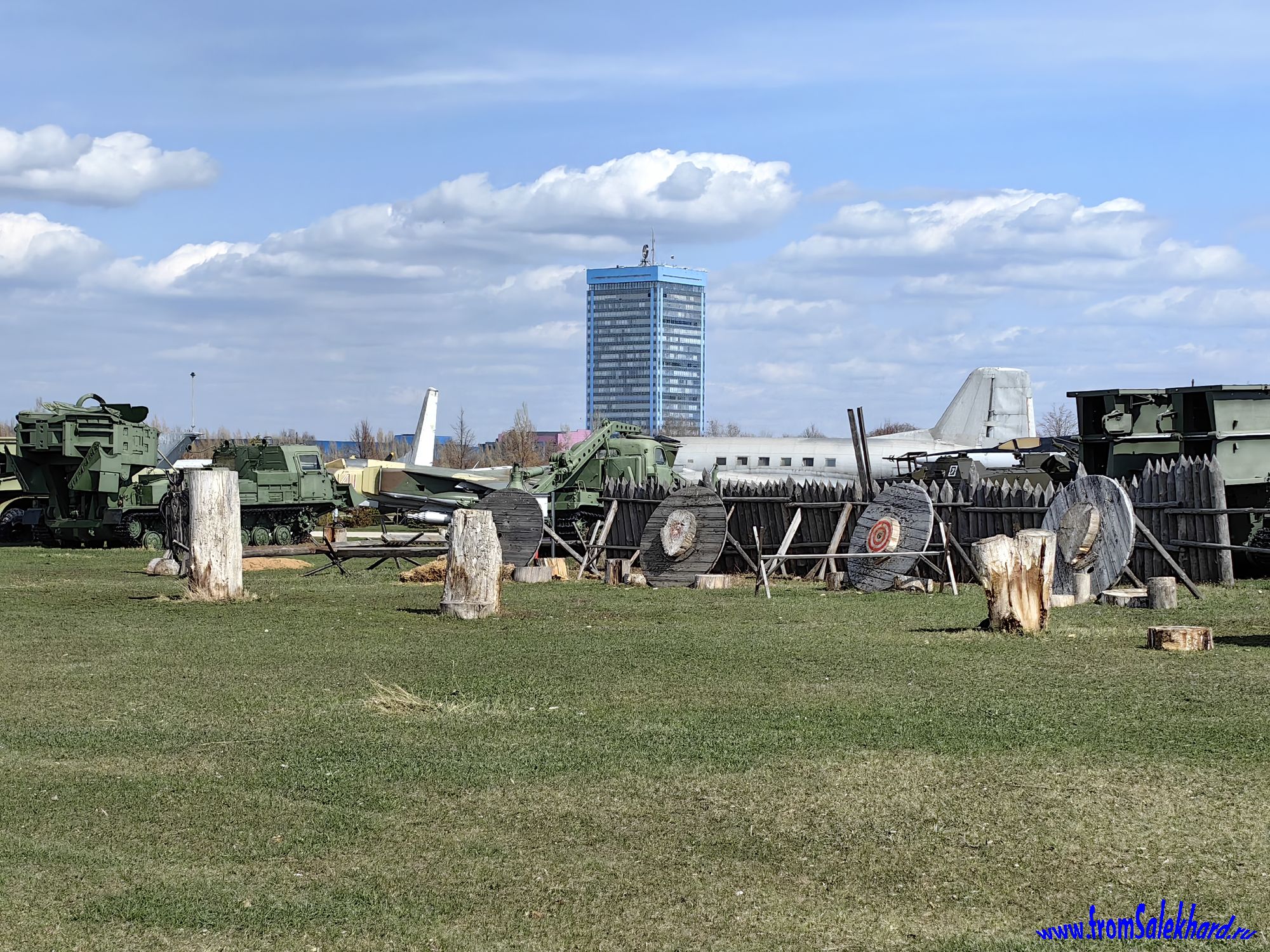
At the far end of the complex there is a parachute training tower and a mock fortress whose purpose is hard to fathom.
If armoured engines are not your thing, you can try something more old-fashioned: axe throwing.
How do you turn civilian machinery into military equipment? Paint it green.
And how do you turn it back? Give it a colourful paint job again.
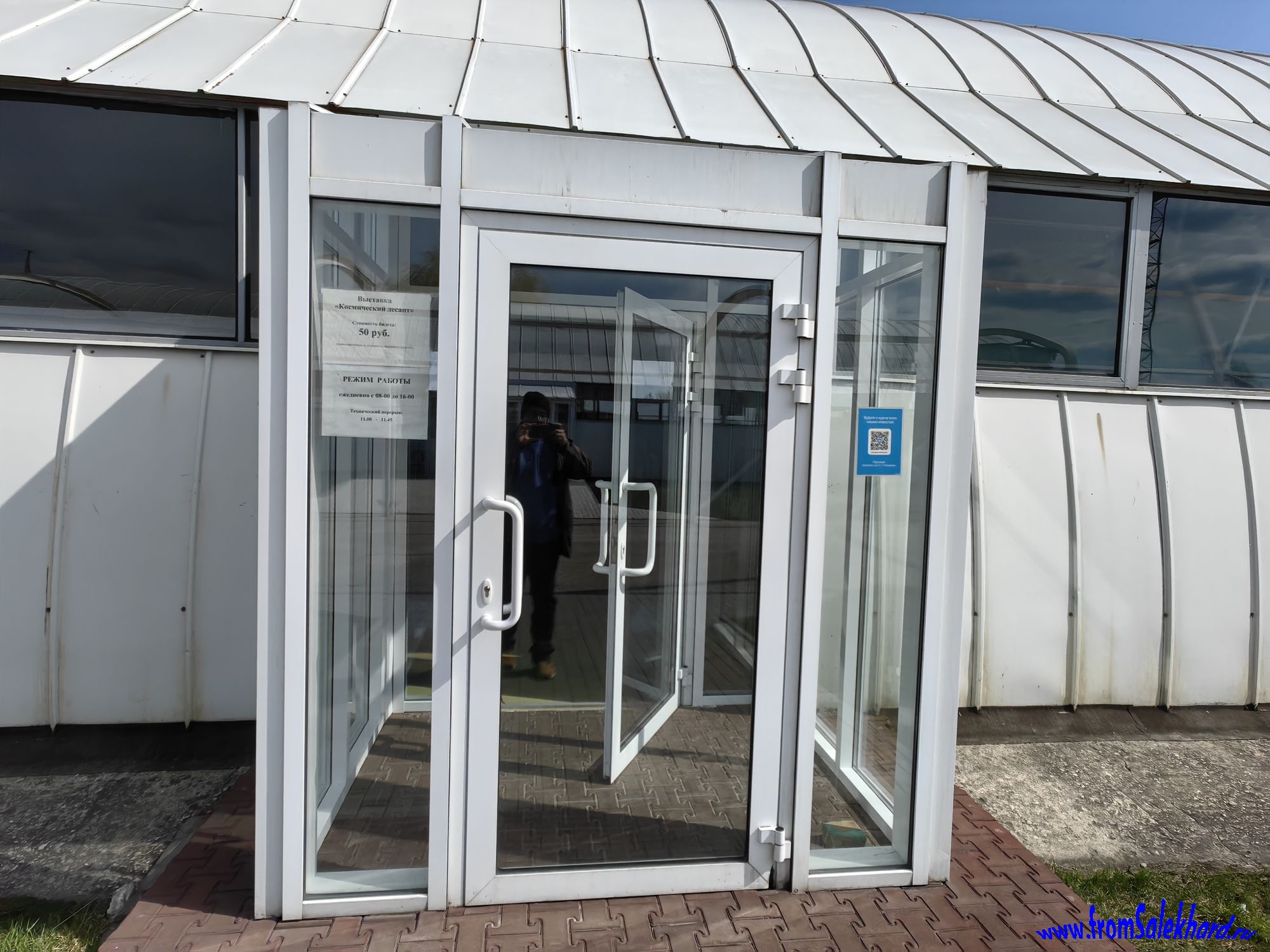
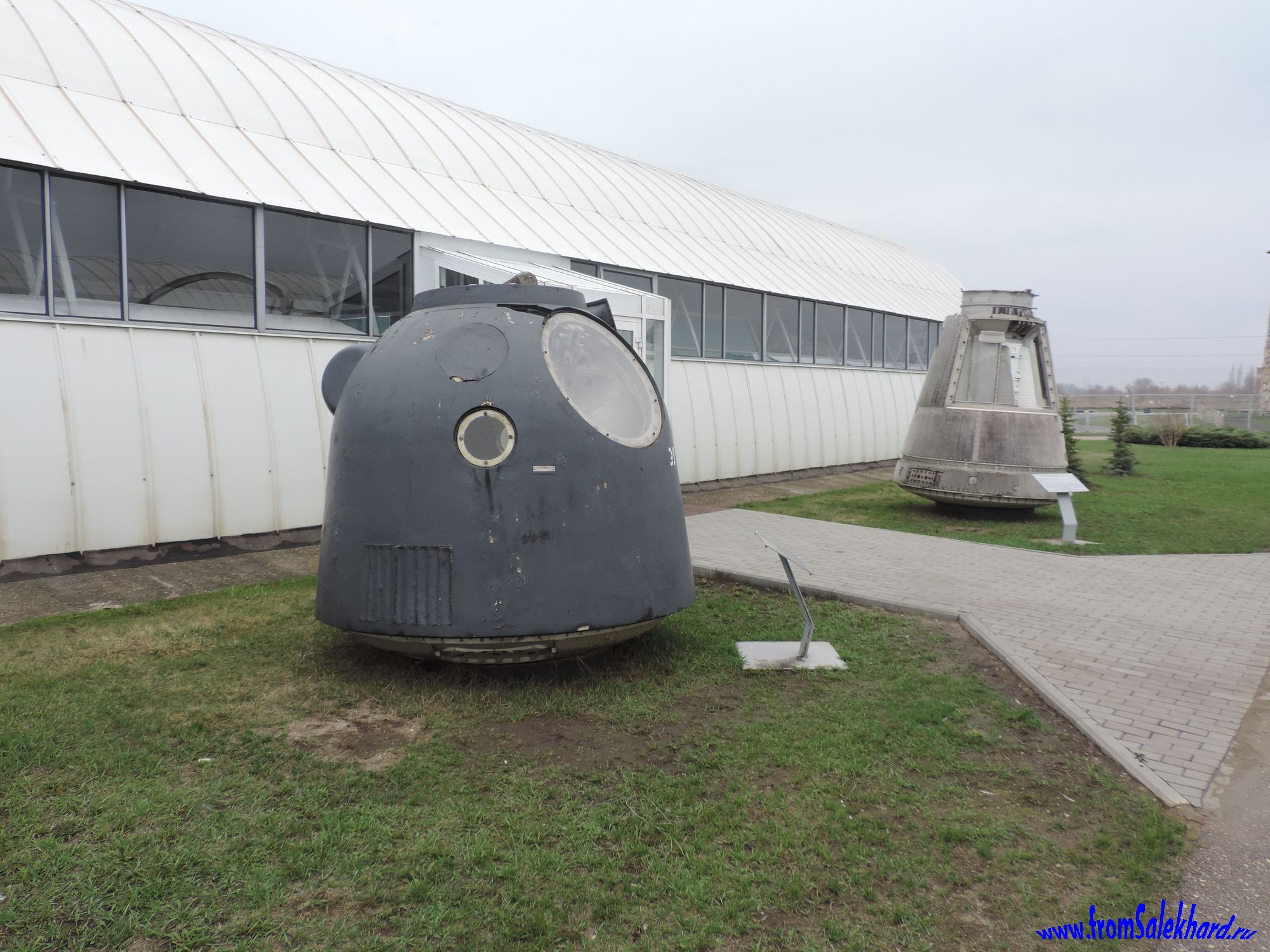
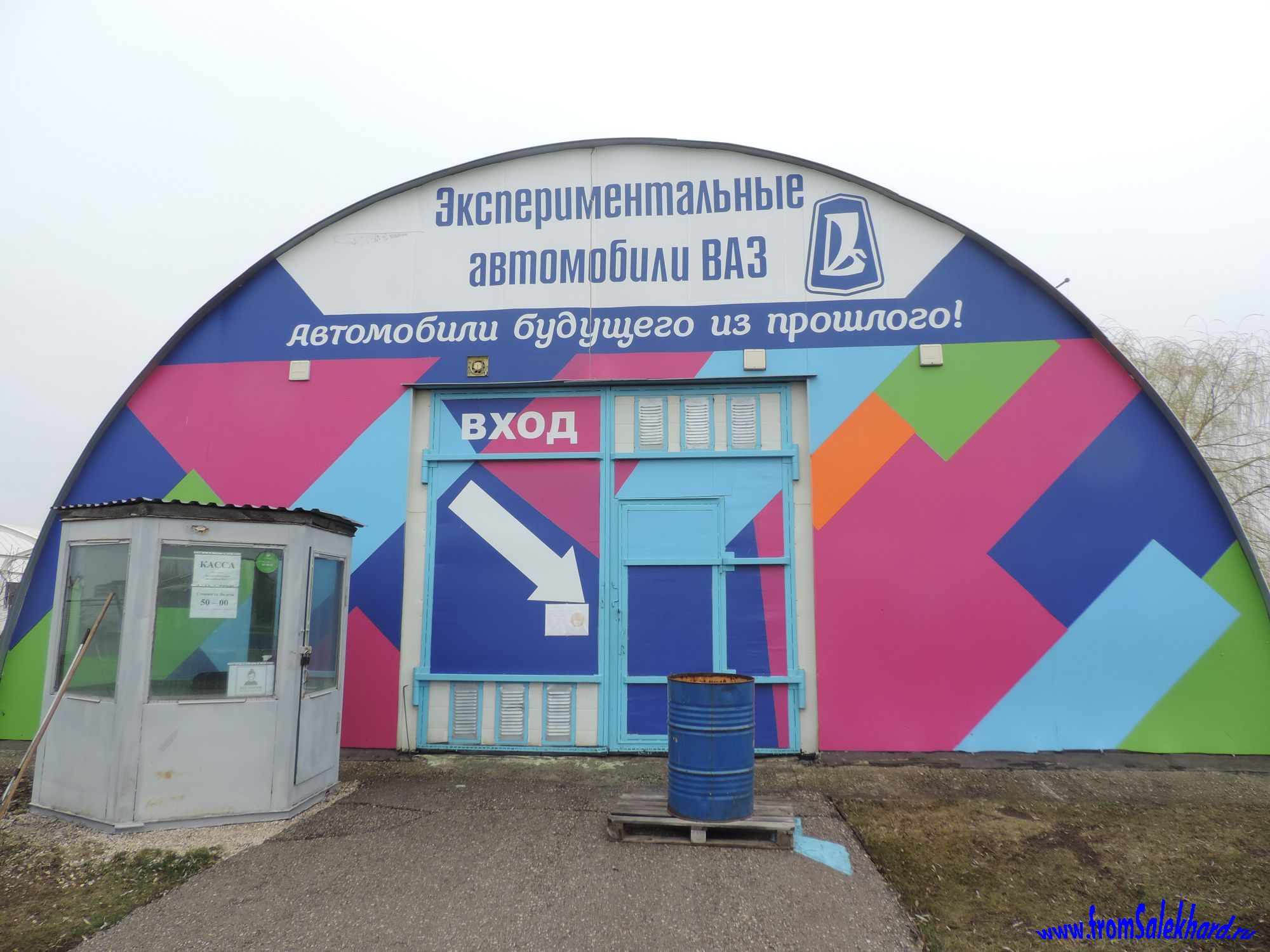
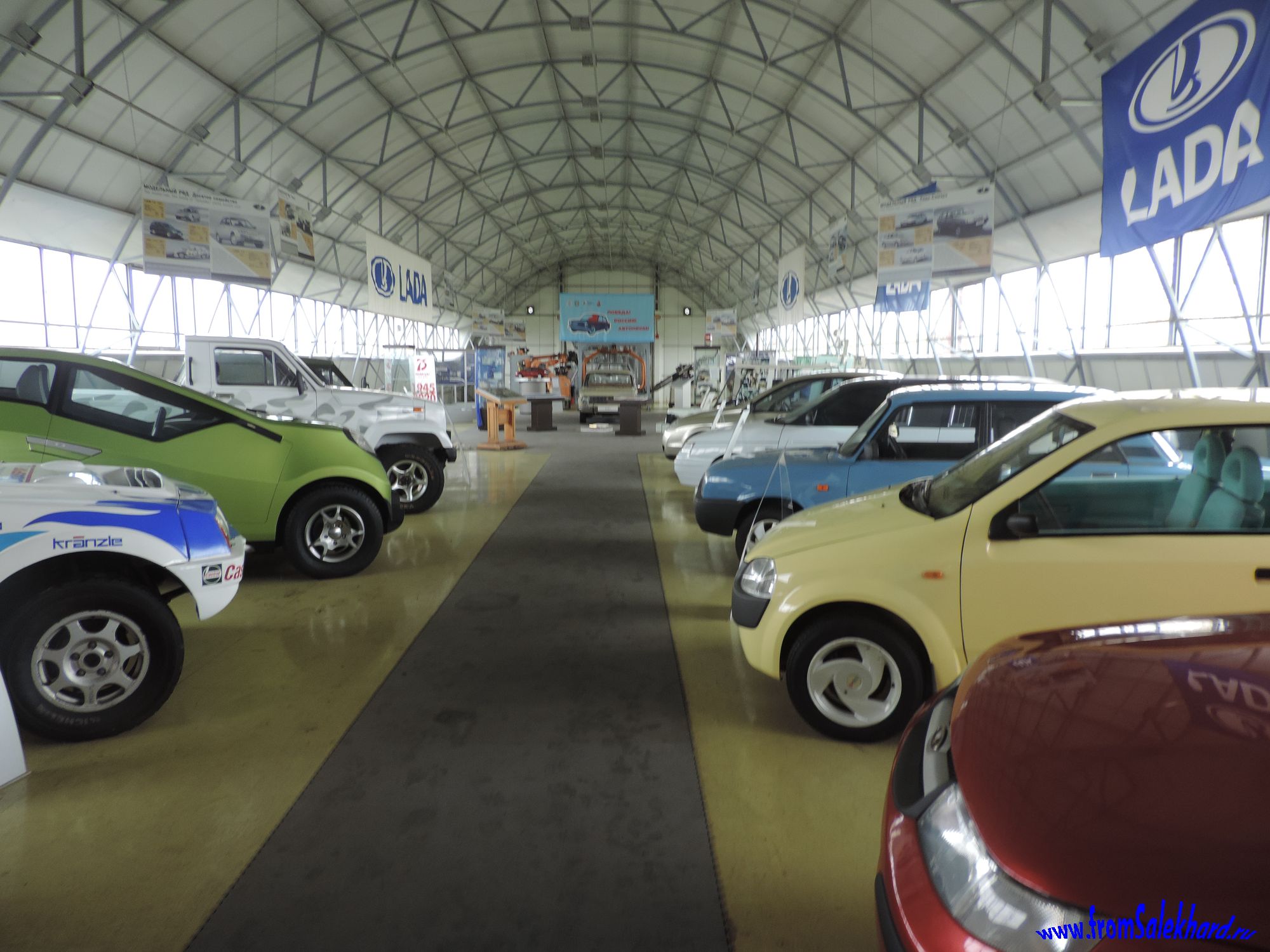
There are also two indoor hangars in this part of the complex, and I never seem to have any luck with them!
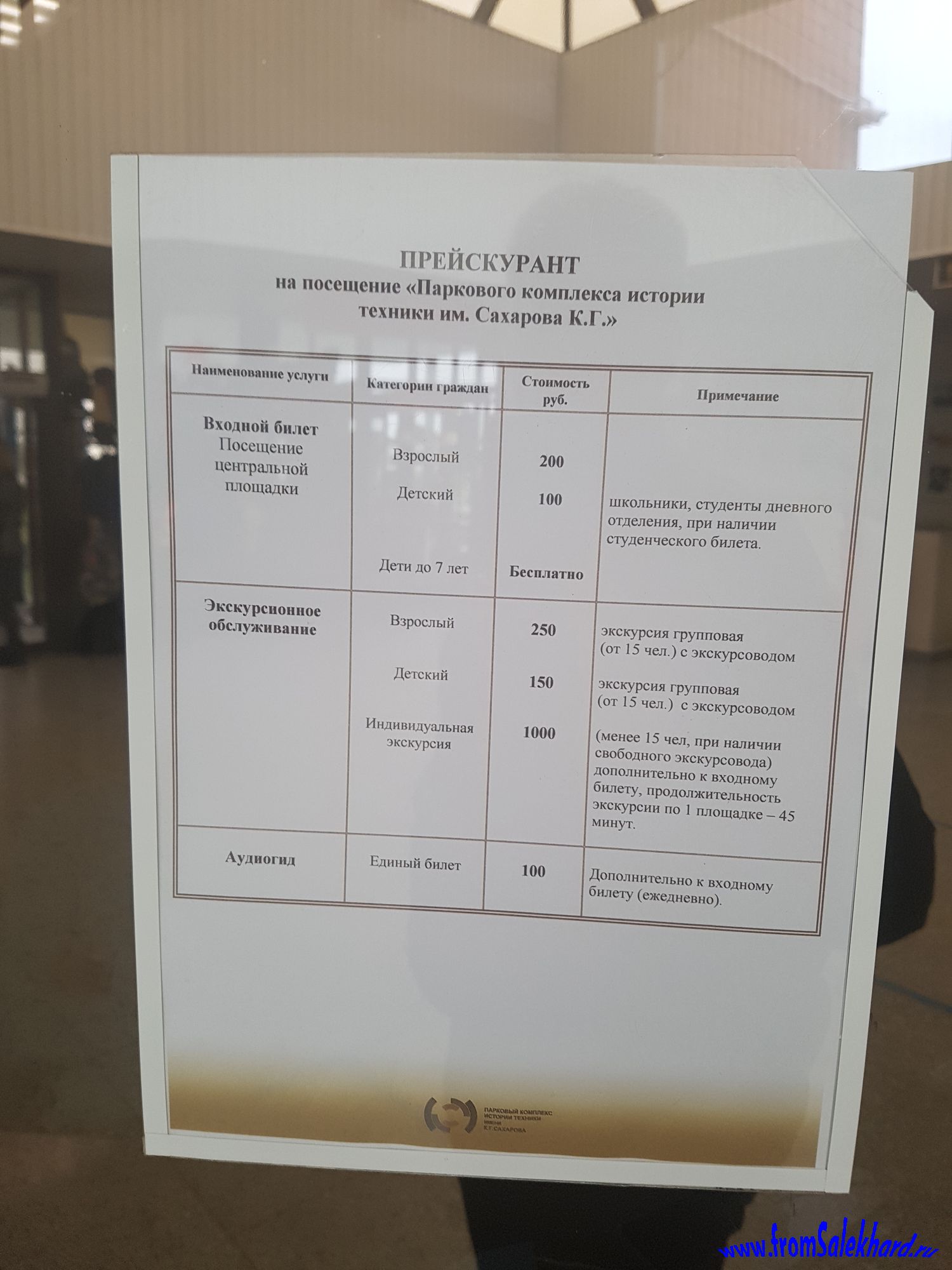
Admission costs 50 roubles, cash only. I stopped carrying banknotes and coins long ago. On top of that, the hangars are open only in summer.
Once, a cleaner took pity on me and let me into one of them.
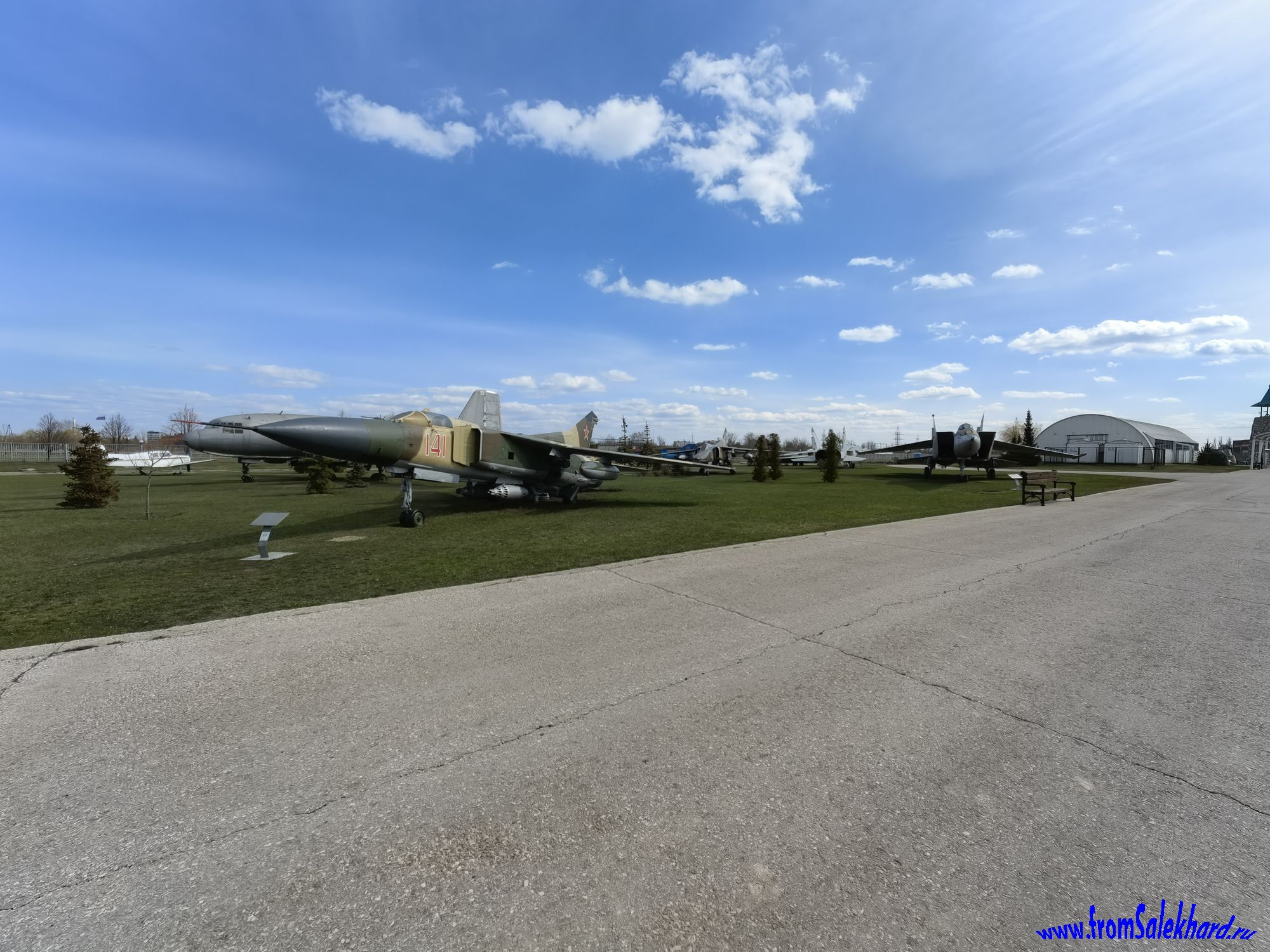
The aircraft are located not far away,
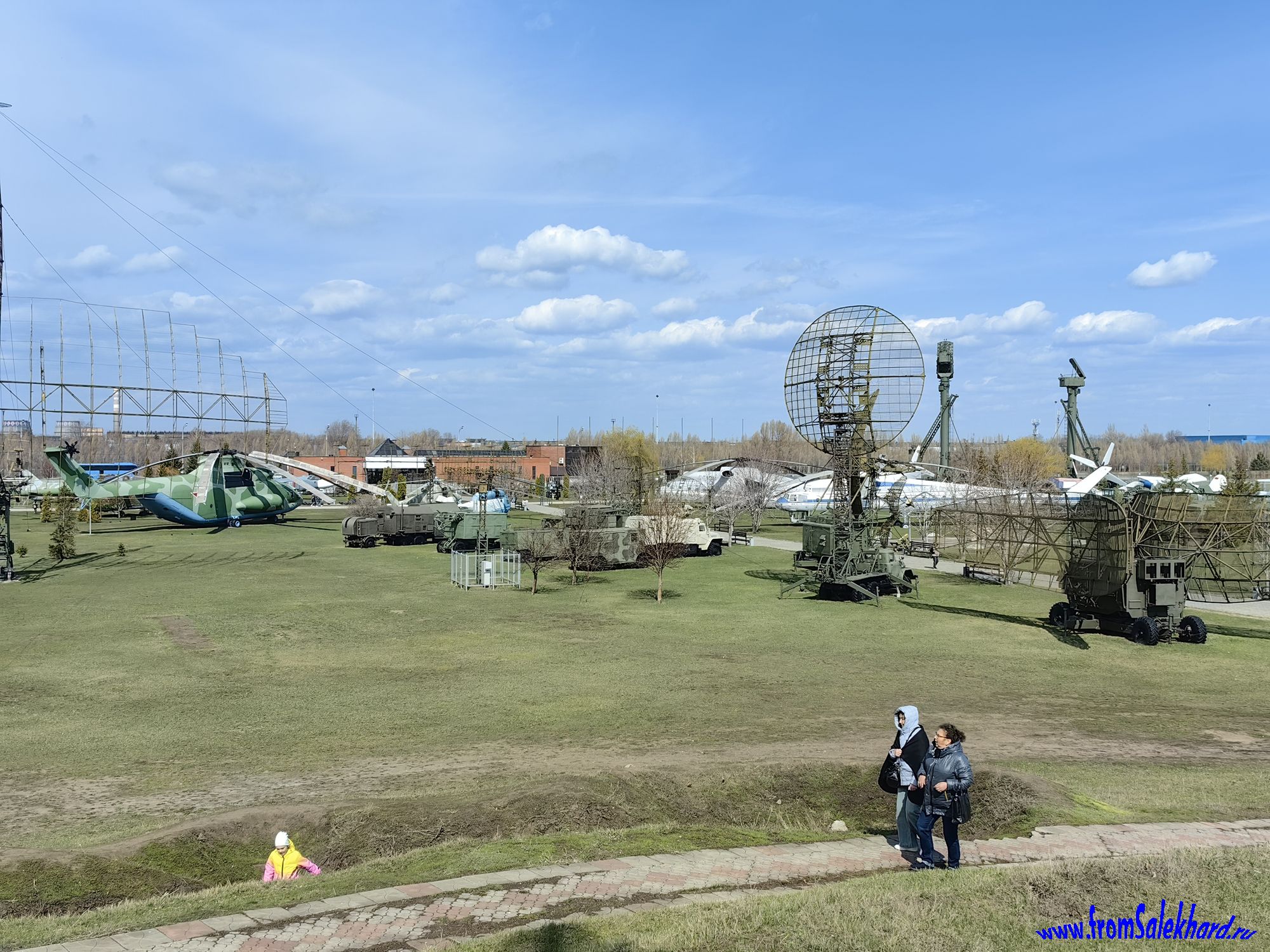
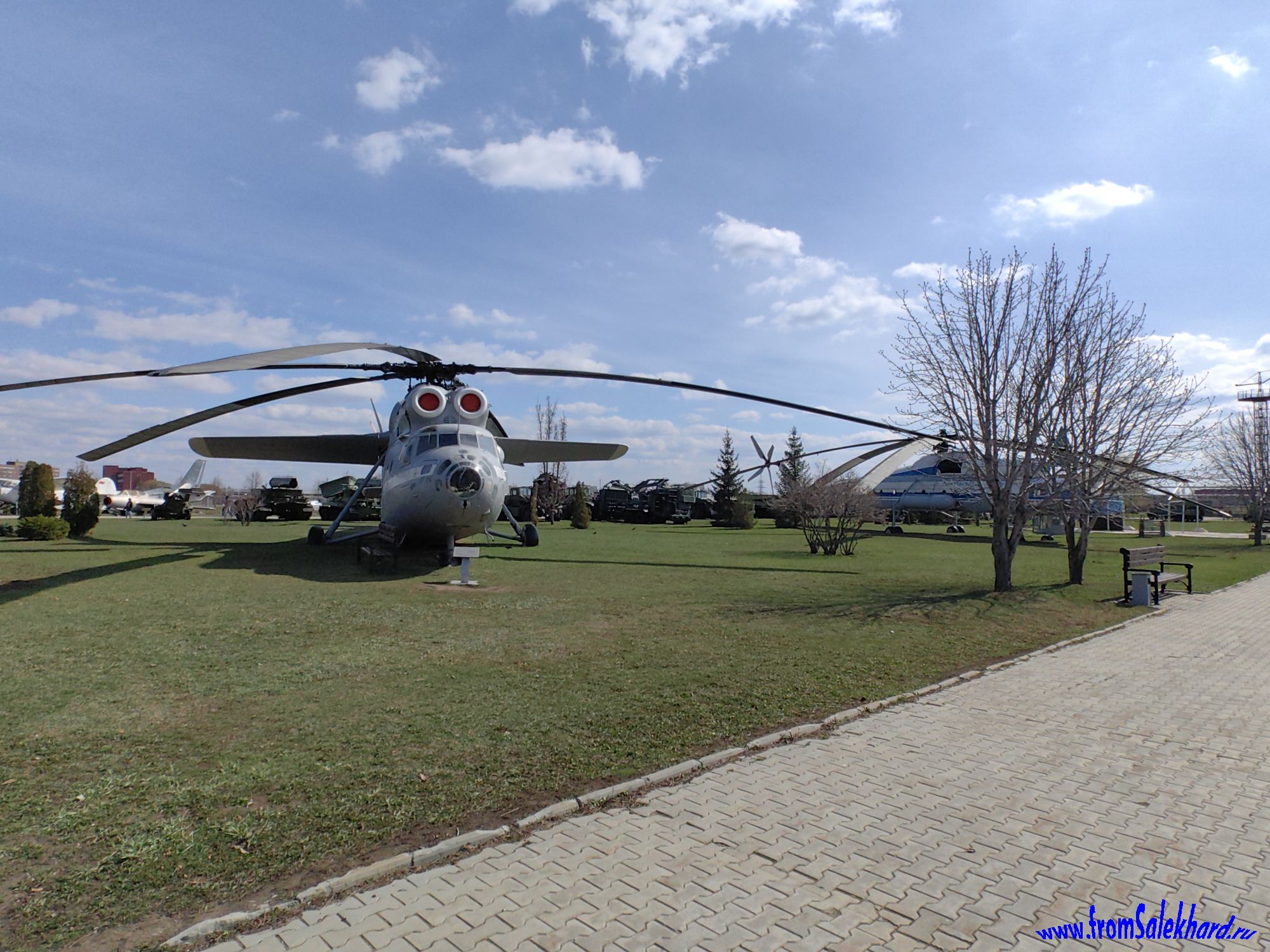
and there is quite a large collection. You can spend a good while wandering around the enormous helicopters.
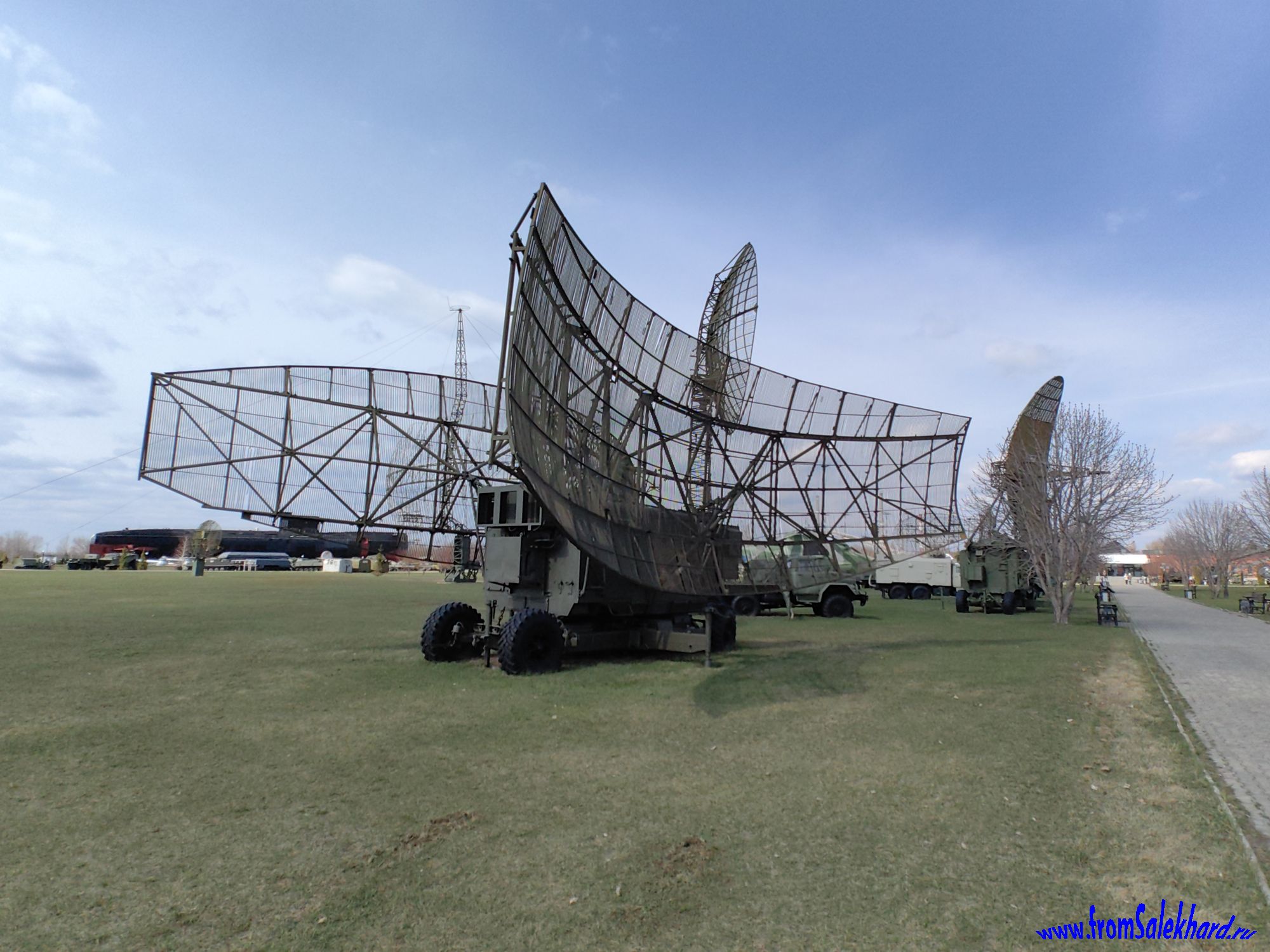
And the wind whistles through the delicate latticework of the antenna structures!
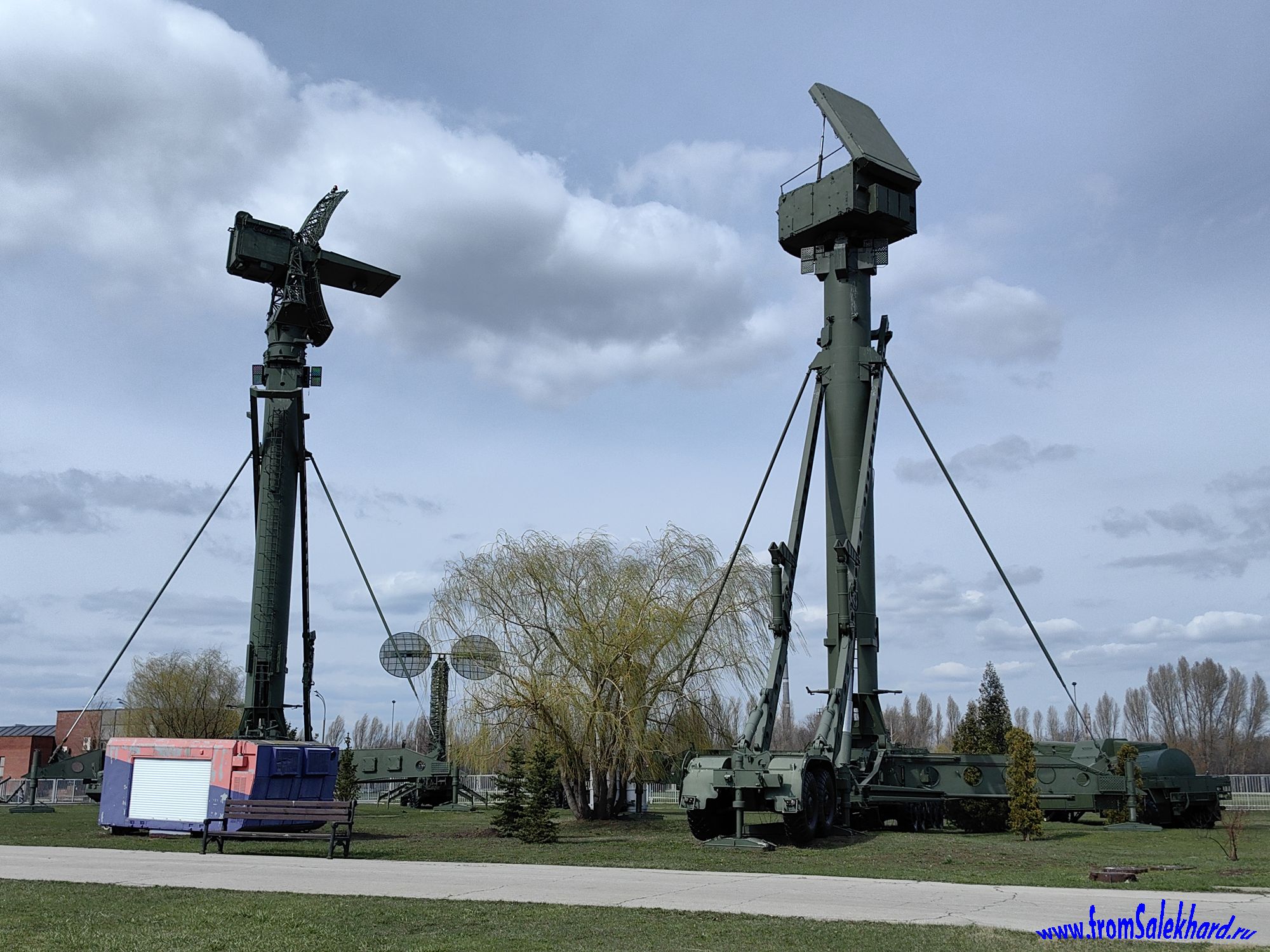
But all of that pales beside these “masts”!
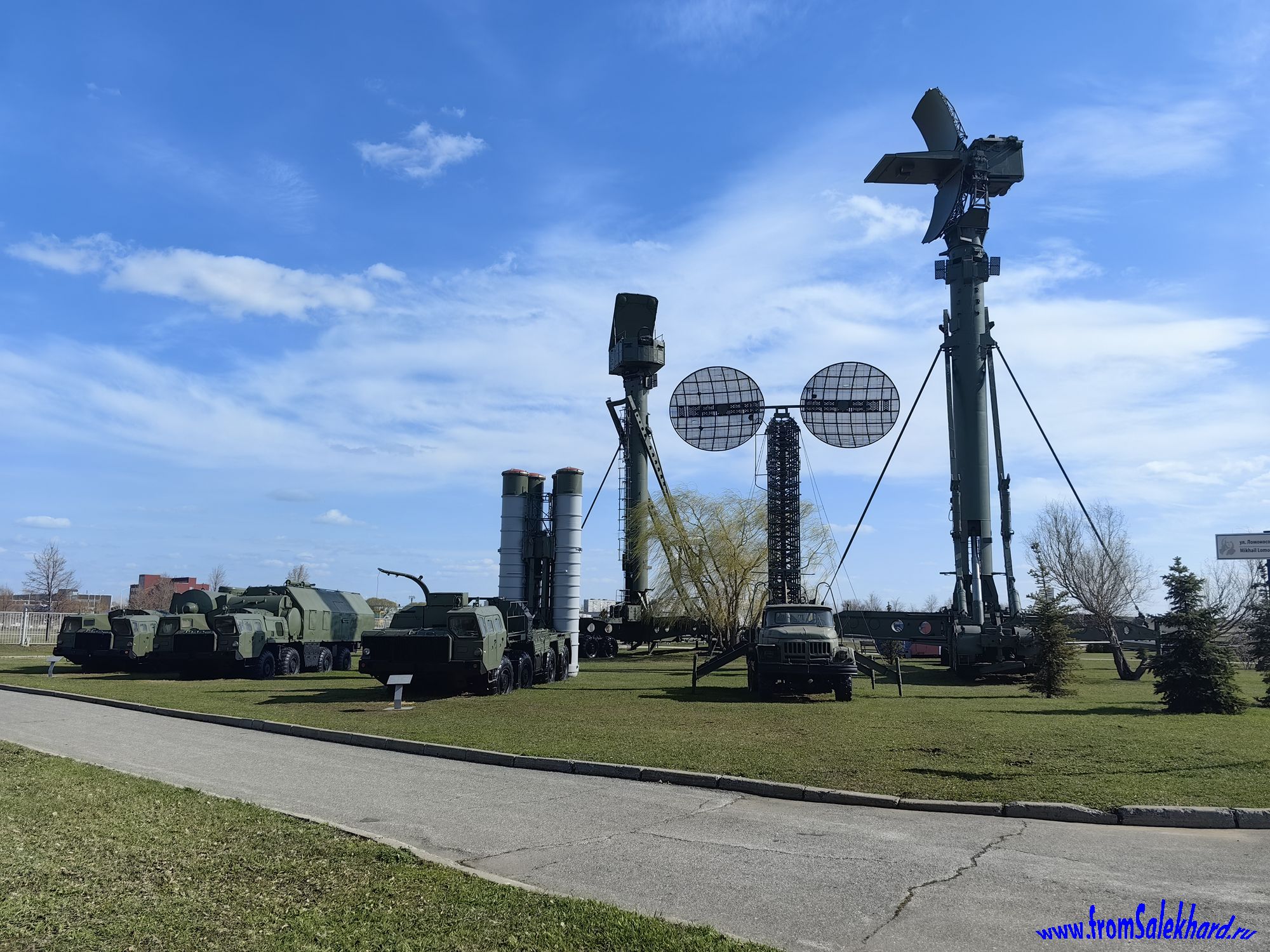
And there is more than just the masts: there are monstrous fuel tankers and the launch tubes of surface-to-air missile systems.
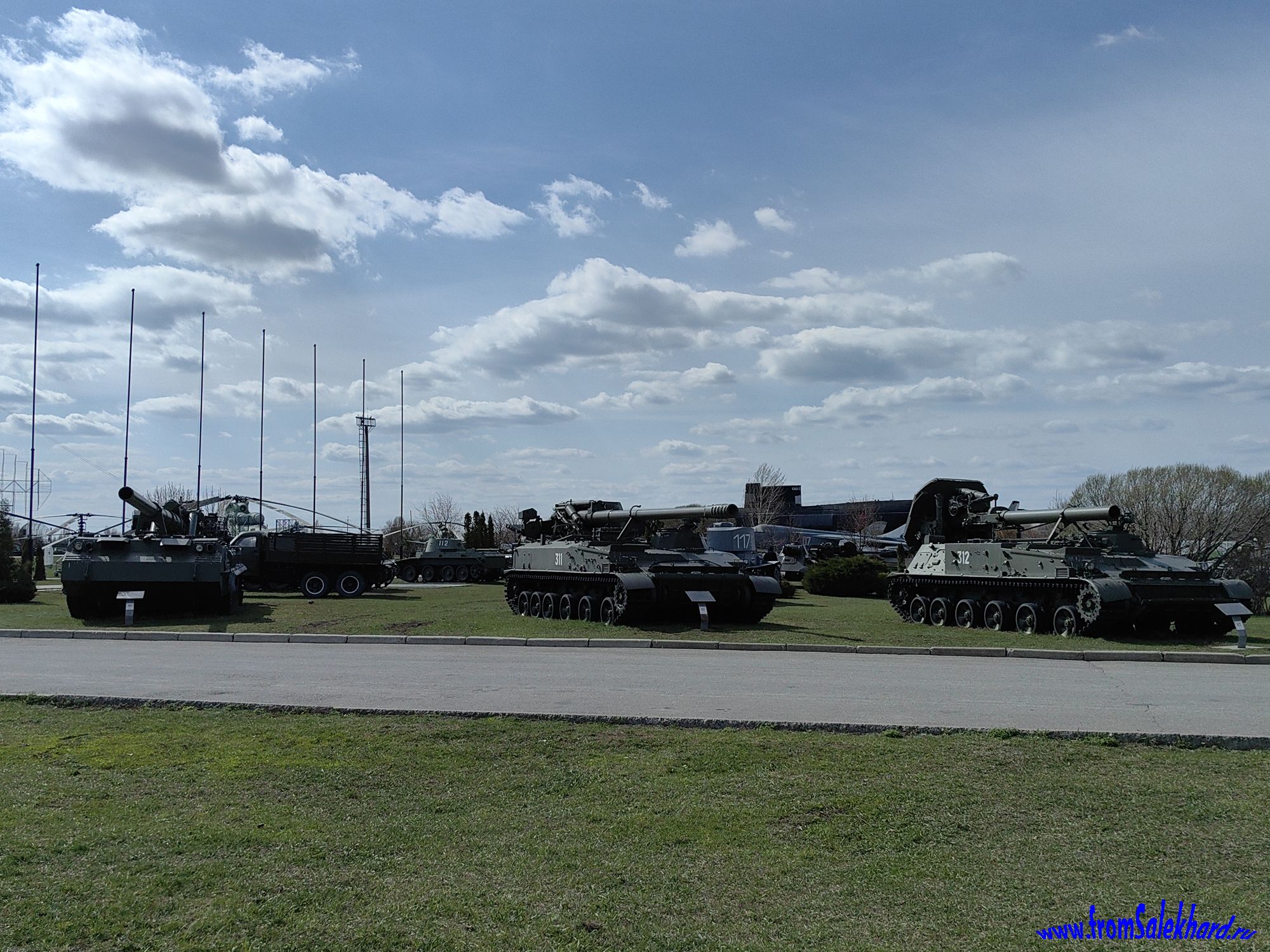
On the way out, you pass a line of exceptionally powerful self-propelled guns.
If we had taken the other path, we would have seen fighter aircraft and various kinds of earthmoving machinery.
That is interesting too.
In the entrance building, besides the ticket office and a small café,
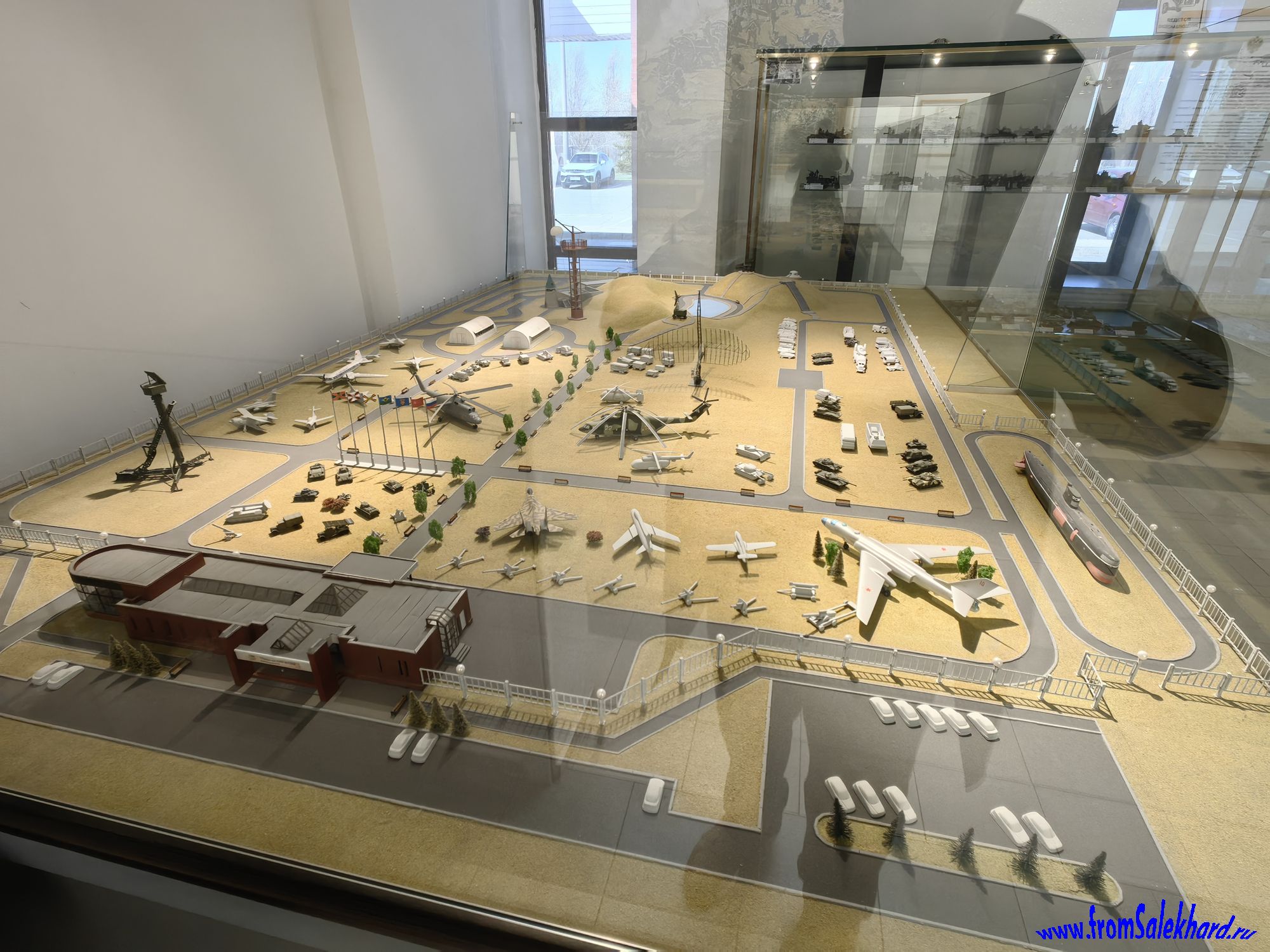
there is a scale model of the entire area we have just explored
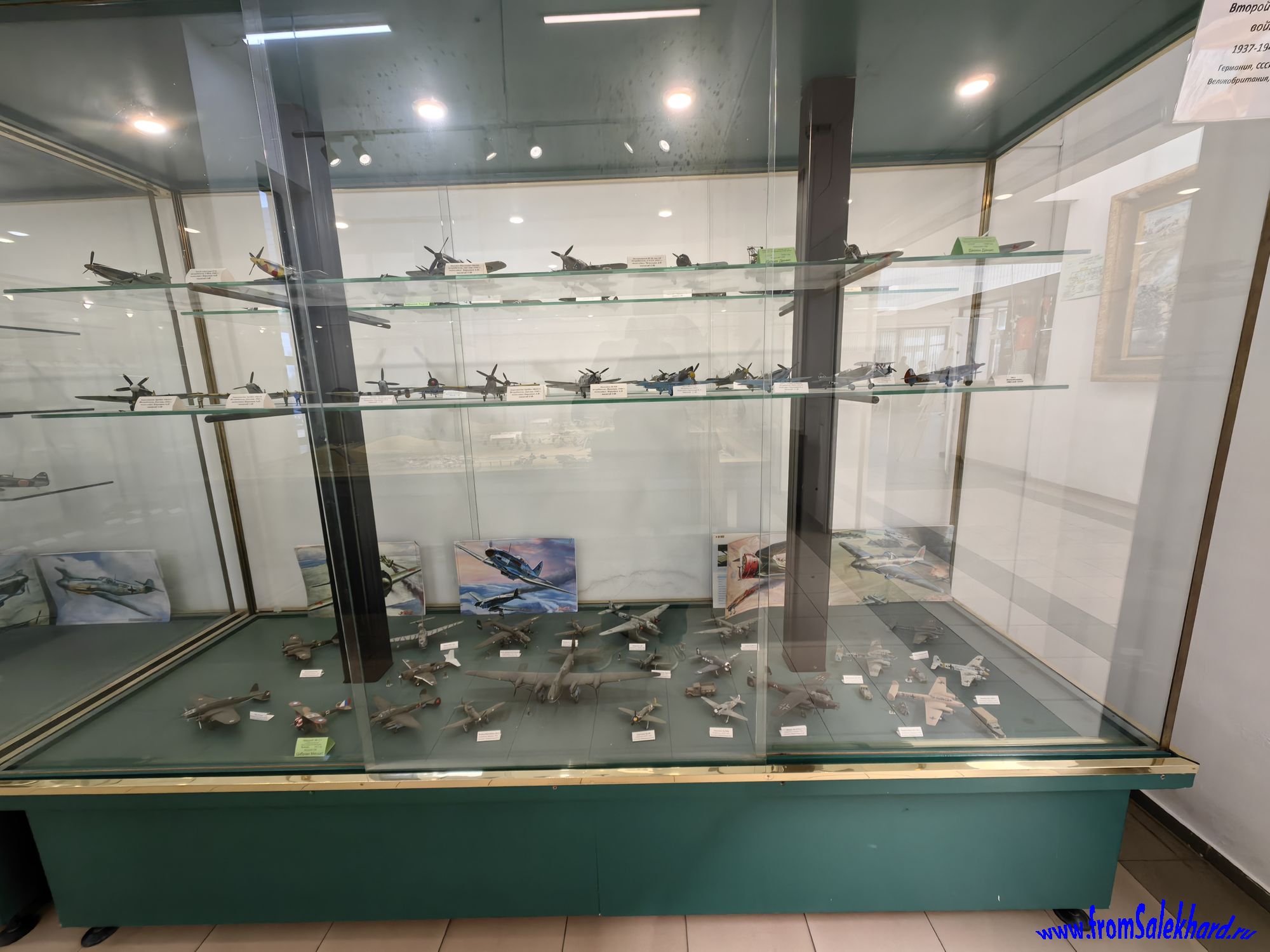
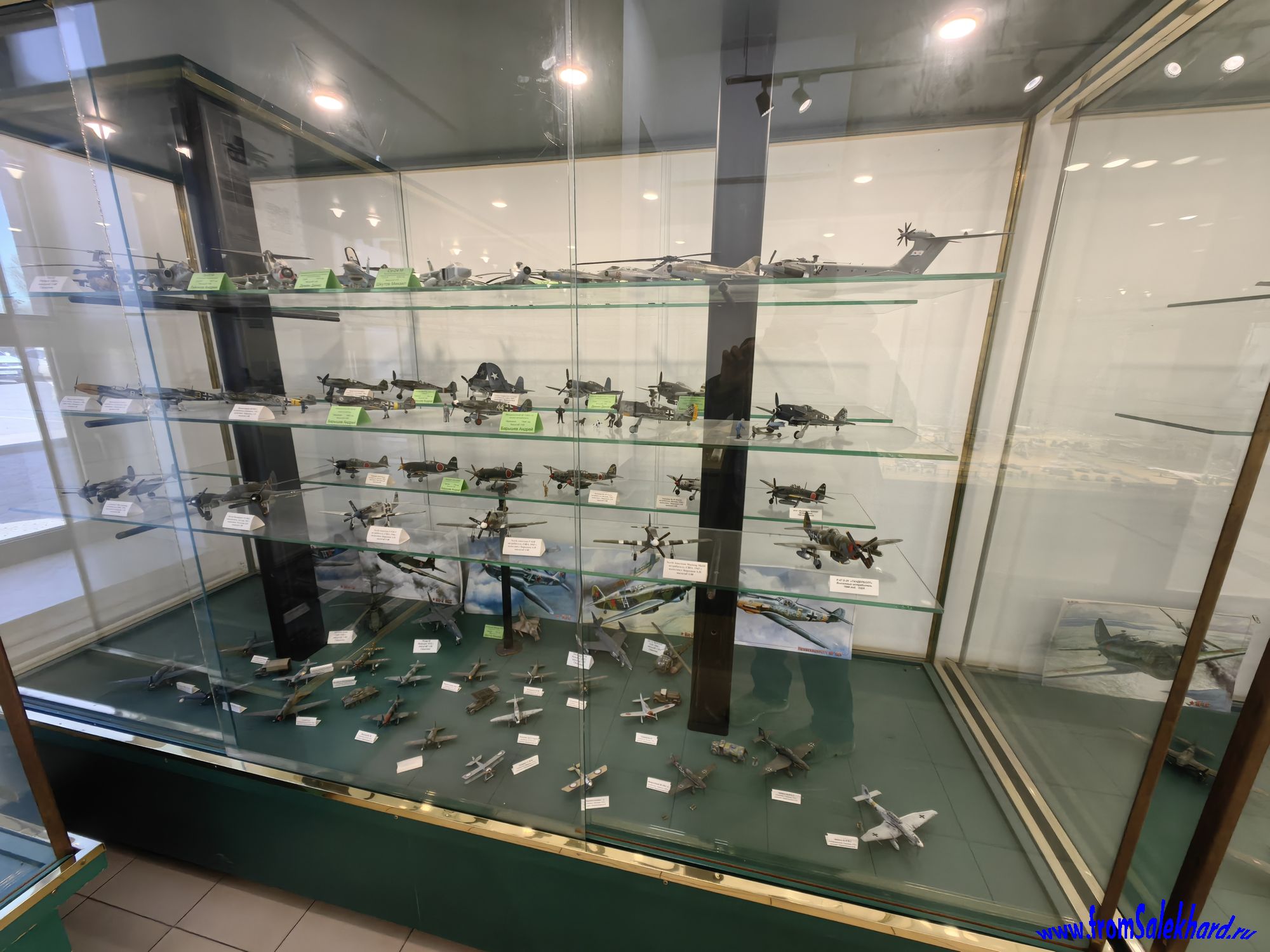
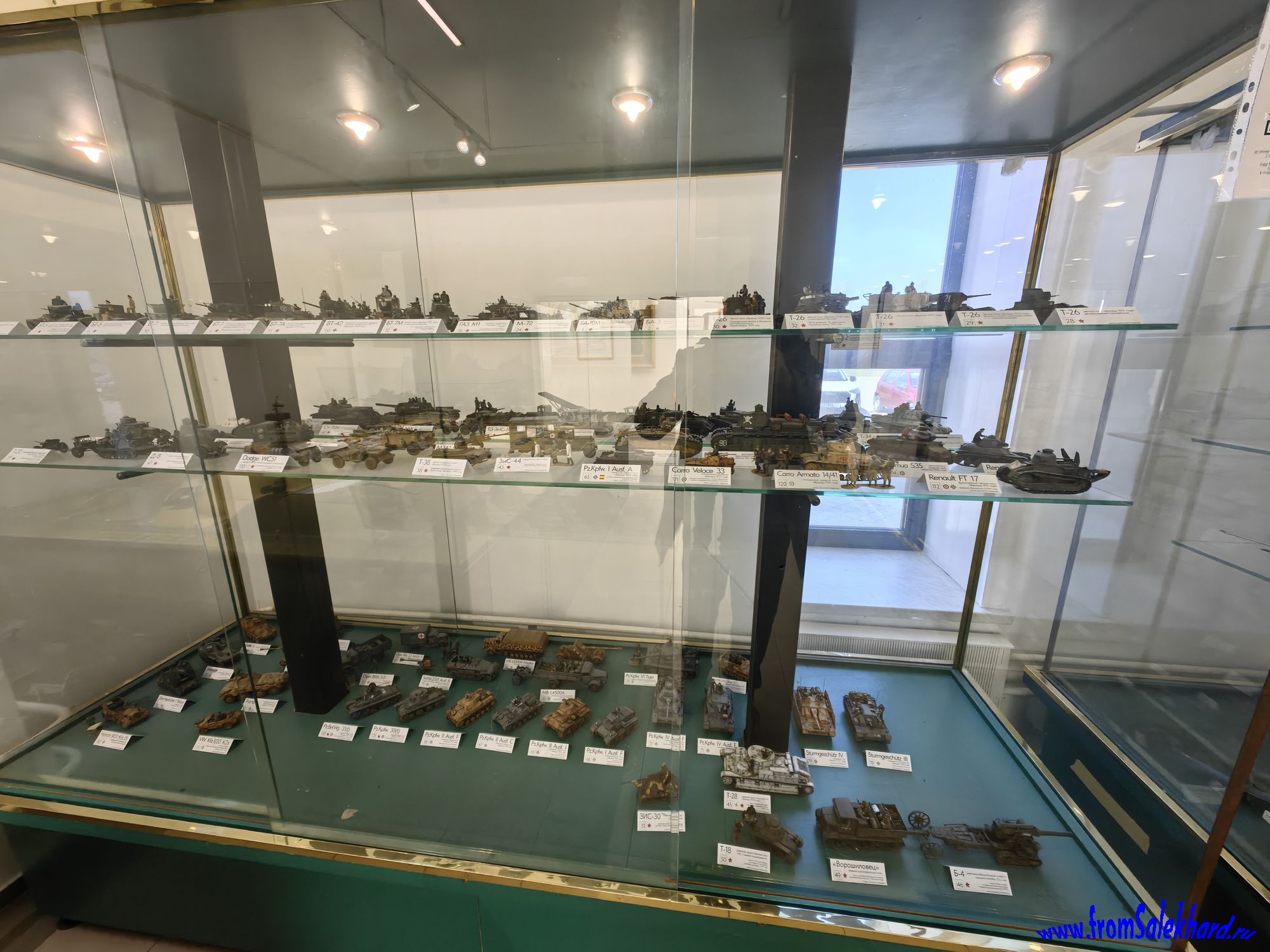
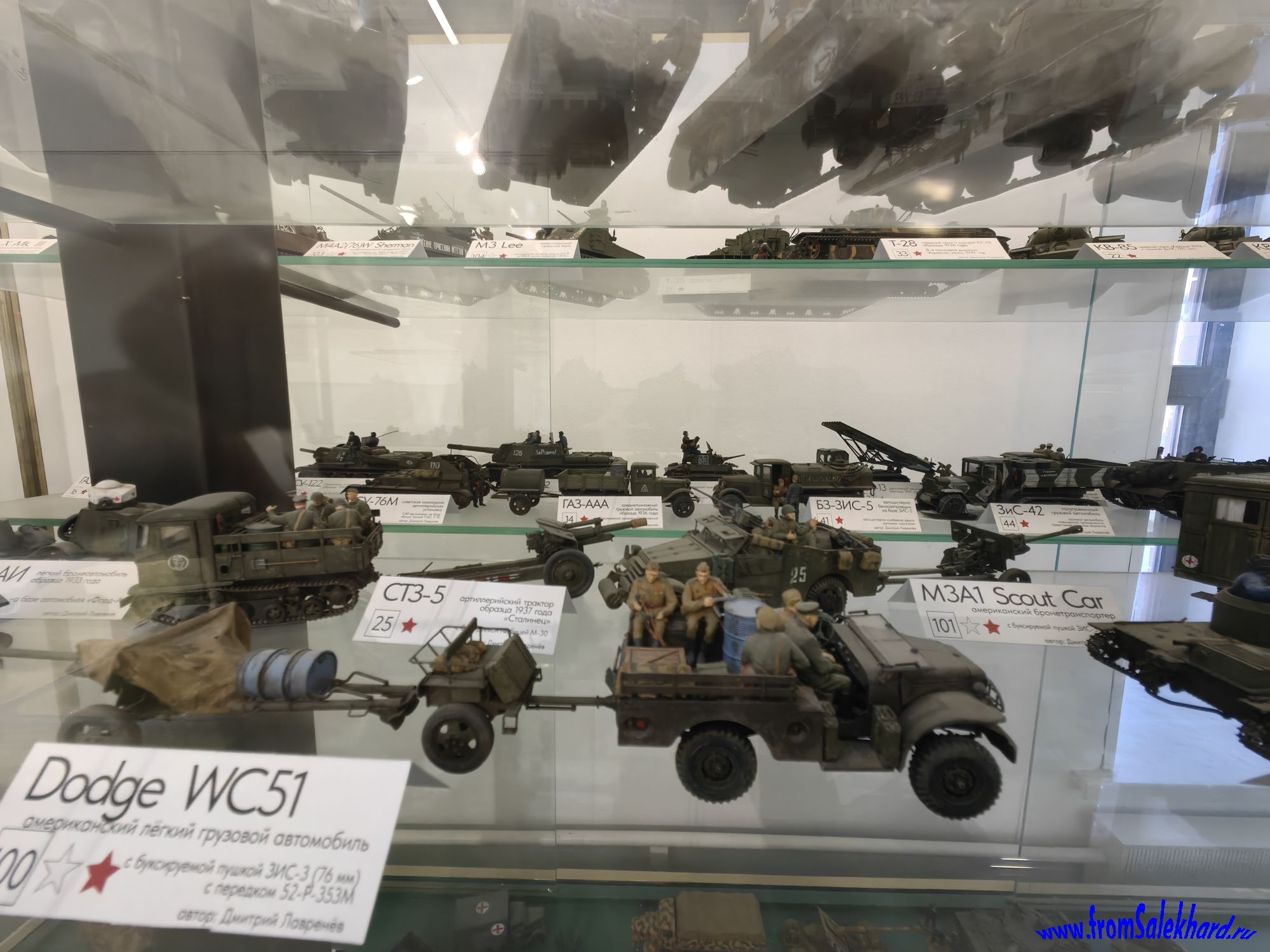
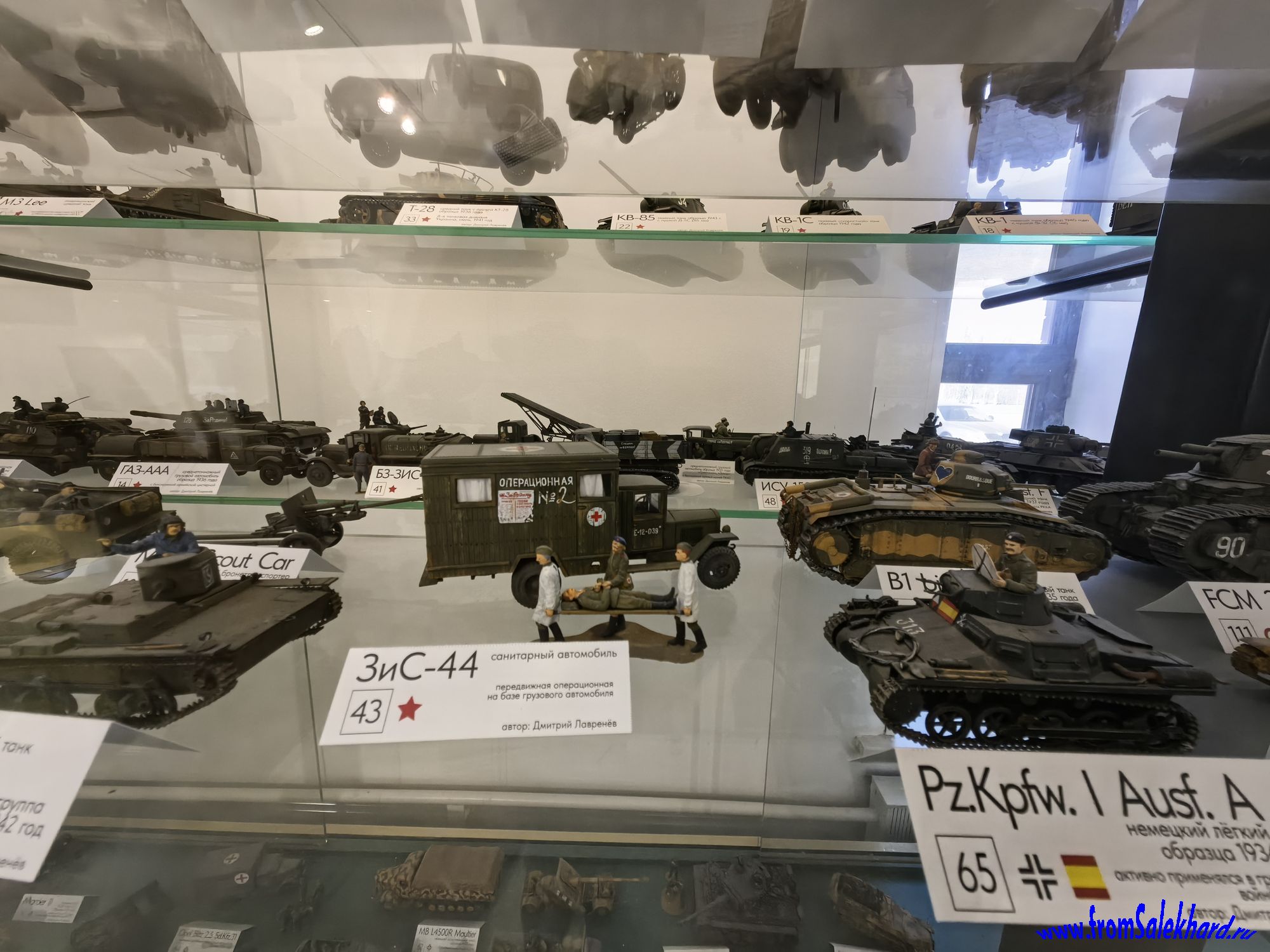
as well as an exhibition of work by local scale modellers.
And we have raced through the grounds—not at a gallop, but in a racing car—without seeing or properly examining most of the exhibits.